Positive impactCommodity
Oil settles up on renewed US-Iran hostilities and threat of Red Sea closure
Economic Times 17 hrs ago·18 Jul 2026, 4:59 am
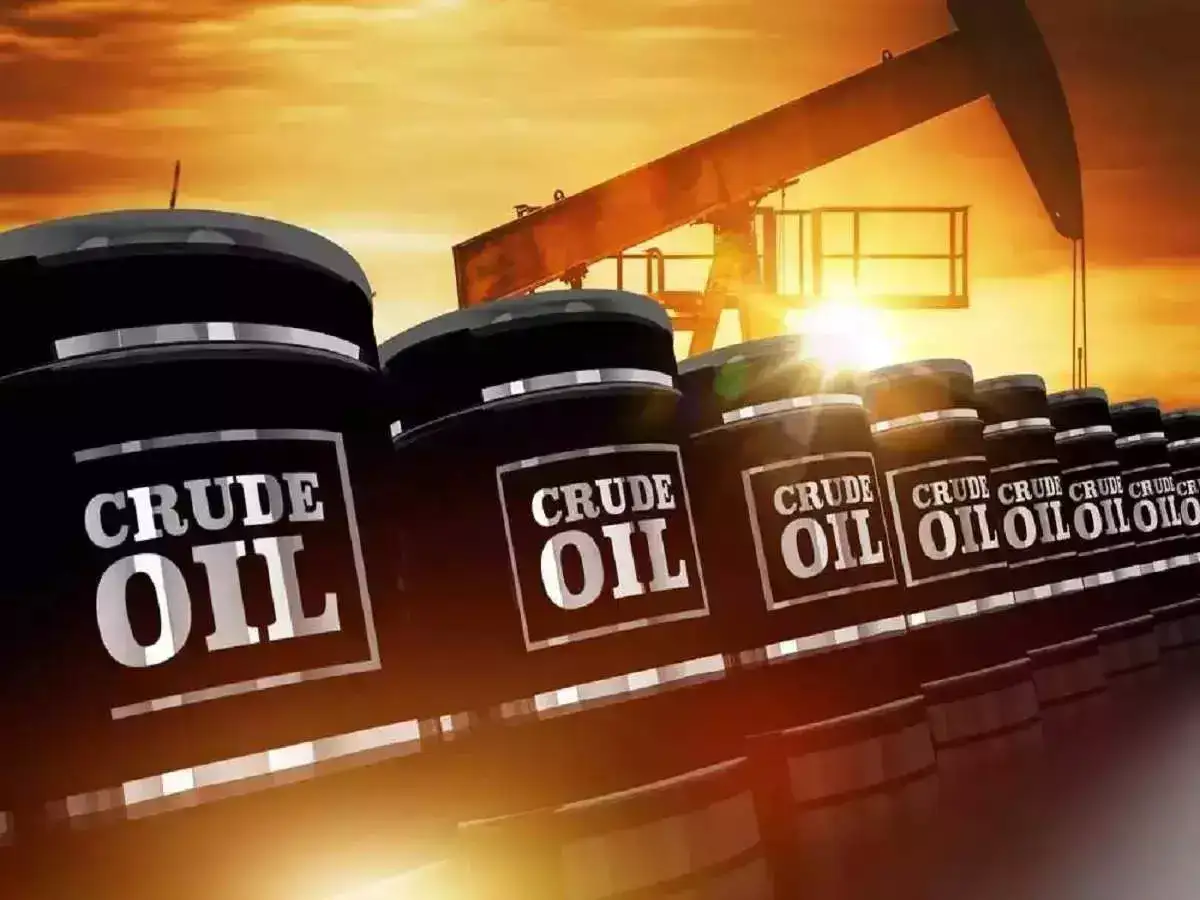
Oil prices have risen sharply, reaching their highest level in over a month, driven by escalating tensions between the United States and Iran. The conflict has intensified attacks across the Gulf region, raising fears that major shipping routes, particularly the Strait of Hormuz, could be disrupted. This situation is critical because the Strait is a vital chokepoint for global oil trade, and any closure would severely limit the flow of crude to international markets.
For investors, this surge in commodity prices is a direct reminder of how geopolitical instability can impact financial markets. Higher oil prices typically increase operational costs for companies across various sectors, which can squeeze profit margins. Investors should monitor the situation closely to see if these tensions lead to a broader supply crisis or if de-escalation occurs, which could cause prices to retreat.
Key takeaways
- Category: Commodity.
- AI reads the tone as positive (potentially bullish) for the stock.
- Assessed as a significant, market-relevant update.
Why it matters
A meaningful update worth tracking. The tone is positive — historically associated with upward pressure, though not predictive. Use the price and stock snapshot to gauge how the market is responding.