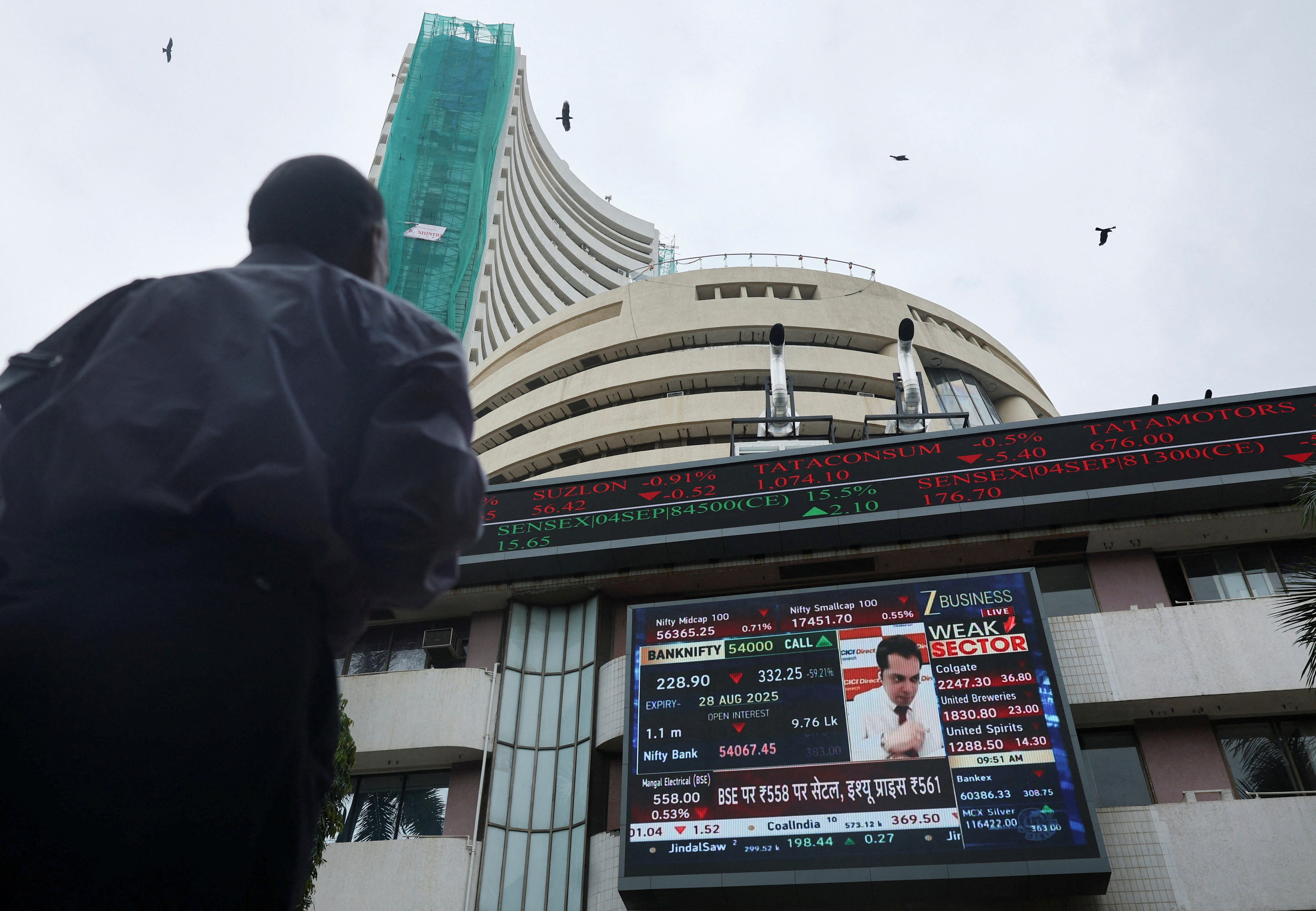
India's biggest stock market reform endures a rocky first week of trading
Business Standard 2 hrs ago·7 Aug 2026, 3:32 am
Economy Business Standard
India's landmark market reforms, designed to boost liquidity and attract foreign capital, have faced a rocky start in their first week of trading. The new rules, which include a lower minimum lot size for stock futures, have led to unexpected volatility and a sharp drop in trading volumes. This initial turbulence suggests that while the structural changes are significant, their immediate impact on market behavior is more complex than anticipated.
For investors, this period of adjustment highlights the inherent risks of rapid regulatory shifts. The reduced lot size, intended to democratize trading, has paradoxically caused uncertainty among retail participants. Consequently, market liquidity has dipped, potentially raising concerns about the depth and stability of the market during periods of stress. The volatility observed so far serves as a reminder that new regulations take time to settle and fully integrate into market dynamics.
Looking ahead, the key focus for investors will be monitoring trading volumes and volatility indices over the coming weeks. Whether this dip in liquidity is a temporary adjustment or a sign of deeper structural issues remains to be seen. Continued observation of how market participants adapt to these changes will be crucial in determining the long-term success of these reforms.
Key takeaways
- Category: Economy.
- AI reads the tone as negative (potentially bearish) for the stock.
- Flagged as a high-impact, market-moving story.
Why it matters
This is a high-impact development and could move the stock. The tone is negative — watch for downside reaction. Use the price and stock snapshot to gauge how the market is responding.