Rs 10, 20 Polymer Notes Get Govt Nod: What Happens To Existing Paper Currency?
NDTV Profit 1 hr ago·11 Aug 2026, 2:50 pm
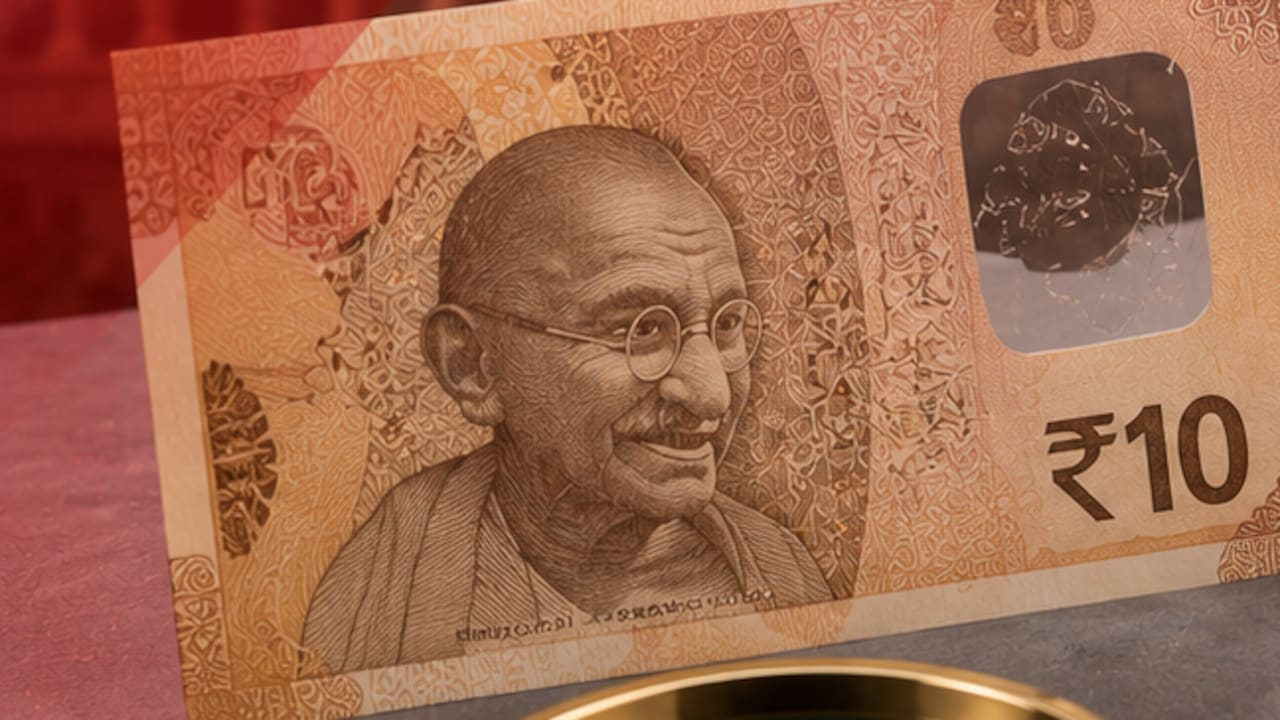
The government has approved a pilot program to introduce polymer (plastic) banknotes for the Rs 10 and Rs 20 denominations. This move aims to test the durability and security of plastic currency, which is already used in several countries. The pilot will help the Reserve Bank of India (RBI) assess the feasibility of a full-scale transition.
For investors, this development is largely a logistical and operational update rather than a market-moving event. It does not signal an immediate replacement of existing paper currency. The existing notes will continue to be legal tender, so there is no immediate impact on cash circulation or consumer spending habits.
Investors should watch the outcome of the pilot for future cues. If the polymer notes perform well, the government may consider expanding the program to other denominations. However, for now, the focus should remain on the broader economic indicators rather than this specific currency change.
Key takeaways
- Category: Economy.
- Flagged as a high-impact, market-moving story.
Why it matters
This is a high-impact development and could move the stock. Use the price and stock snapshot to gauge how the market is responding.