Negative impactIPO
Anchor investors stay put after IPO lock-in, but half their bets are gone within a year: Sebi
Economic Times 1 hr ago·14 Aug 2026, 1:03 pm
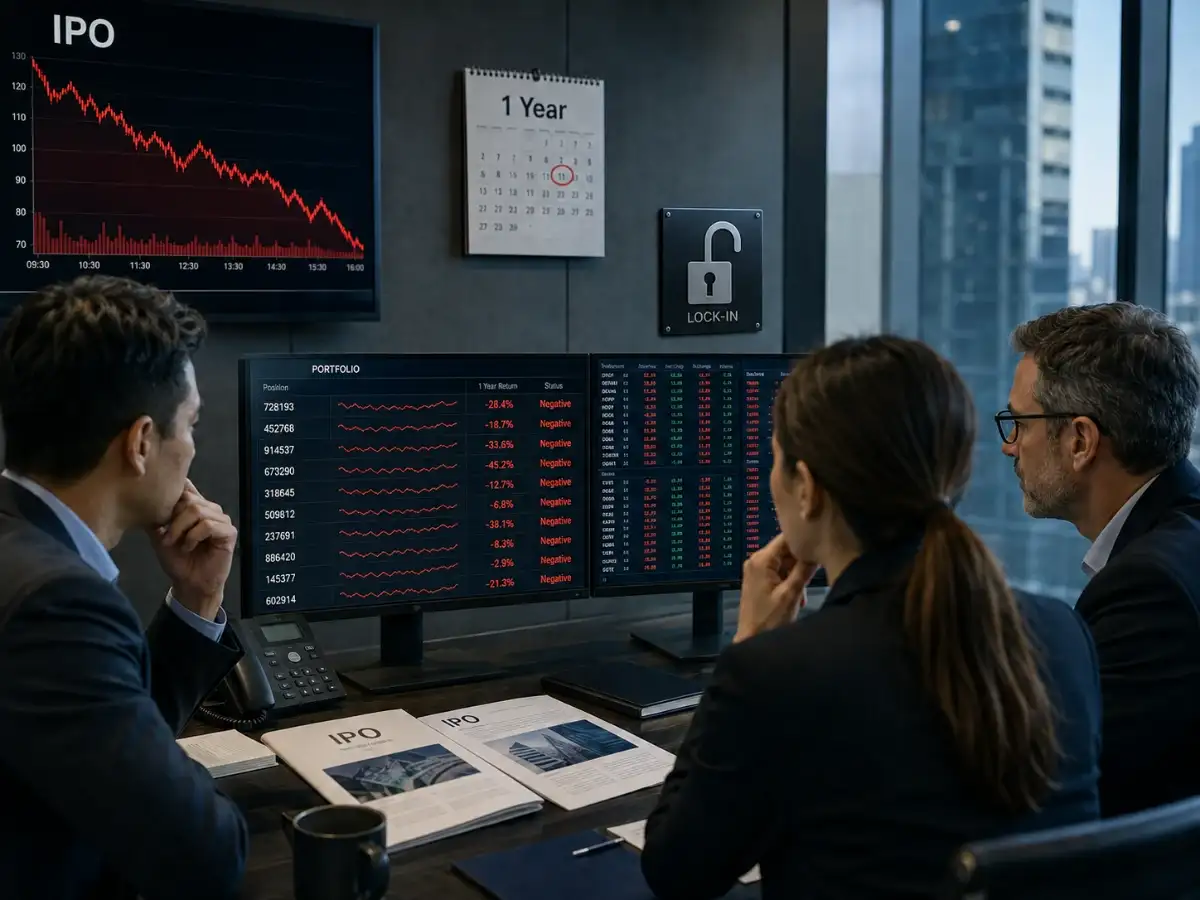
A recent study by market regulator Sebi reveals that anchor investors, who typically buy shares during an IPO's pre-IPO phase, are gradually selling their holdings after the mandatory lock-in period ends. The research indicates that roughly half of the original value of these anchor bets is offloaded within a year of the listing. This trend highlights a shift in sentiment, as these early backers reduce their exposure over time rather than holding onto the stock indefinitely.
This behavior is significant for retail investors as it suggests that the initial surge in demand from anchor investors may not always translate into sustained long-term support. The study also notes that Foreign Portfolio Investors (FPIs) have the highest exit rate among institutional investors, while smaller IPOs tend to see faster selling compared to larger ones. Investors should monitor the sustained holding period of these early investors to gauge the stock's long-term stability.
Moving forward, market participants should watch for the pace of selling by anchor investors in upcoming IPOs. If selling accelerates post-lock-in, it could pressure the stock price in the short term. Conversely, a slow exit might indicate strong conviction from institutional investors, which could be a positive signal for the stock's future performance.
Key takeaways
- Category: IPO.
- AI reads the tone as negative (potentially bearish) for the stock.
Why it matters
A routine update. The tone is negative — watch for downside reaction. Use the price and stock snapshot to gauge how the market is responding.