Neutral impactEconomy
Govt Clears RBI Pilot For Rs 10, Rs 20 Plastic Currency Notes
NDTV Profit 1 hr ago·27 Jul 2026, 11:42 am
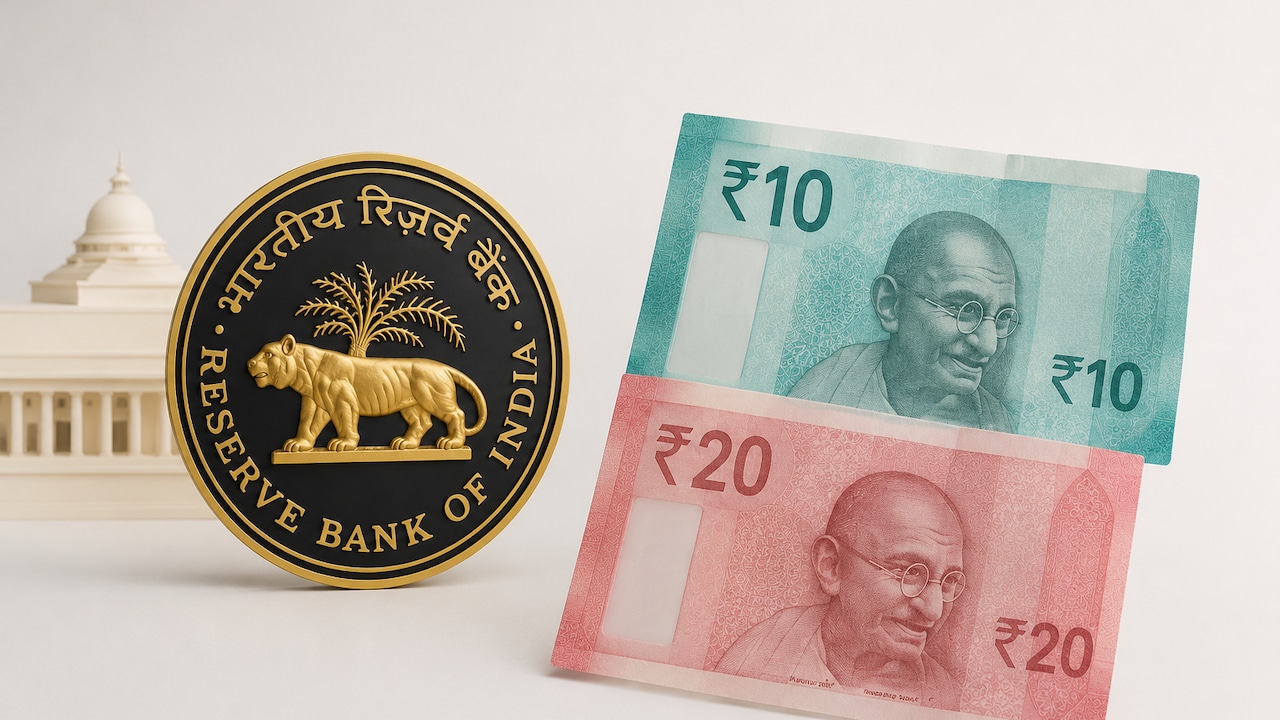
The government has approved a pilot project by the Reserve Bank of India (RBI) to introduce plastic, or polymer, currency notes in the denominations of Rs 10 and Rs 20. This move is part of a broader initiative to explore the durability and security benefits of polymer notes, which are expected to last longer than traditional paper currency. The pilot will be conducted in select cities to test the feasibility and public acceptance of these notes before a potential wider rollout.
For investors, this development signals a potential shift in the currency management strategy of the country. Polymer notes are known to be more resistant to wear and tear, which could reduce the frequent replacement costs associated with paper currency. While the impact on the broader market is currently limited, it reflects the government's focus on modernizing financial infrastructure and managing the supply of cash efficiently.
Investors should watch the results of this pilot closely. If the notes prove successful, it could lead to a phased replacement of paper currency, which may have long-term implications for printing presses, currency management, and the overall circulation of money. However, until the pilot concludes and the RBI announces further details, the immediate effect on the stock market remains neutral.
Key takeaways
- Category: Economy.
- Assessed as a significant, market-relevant update.
Why it matters
A meaningful update worth tracking. Use the price and stock snapshot to gauge how the market is responding.