Hormuz Deadlock: Iran Rejects Oman's Proposal, Floats Temporary Plan With Bigger Say
NDTV Profit 1 hr ago·29 Jul 2026, 2:26 am
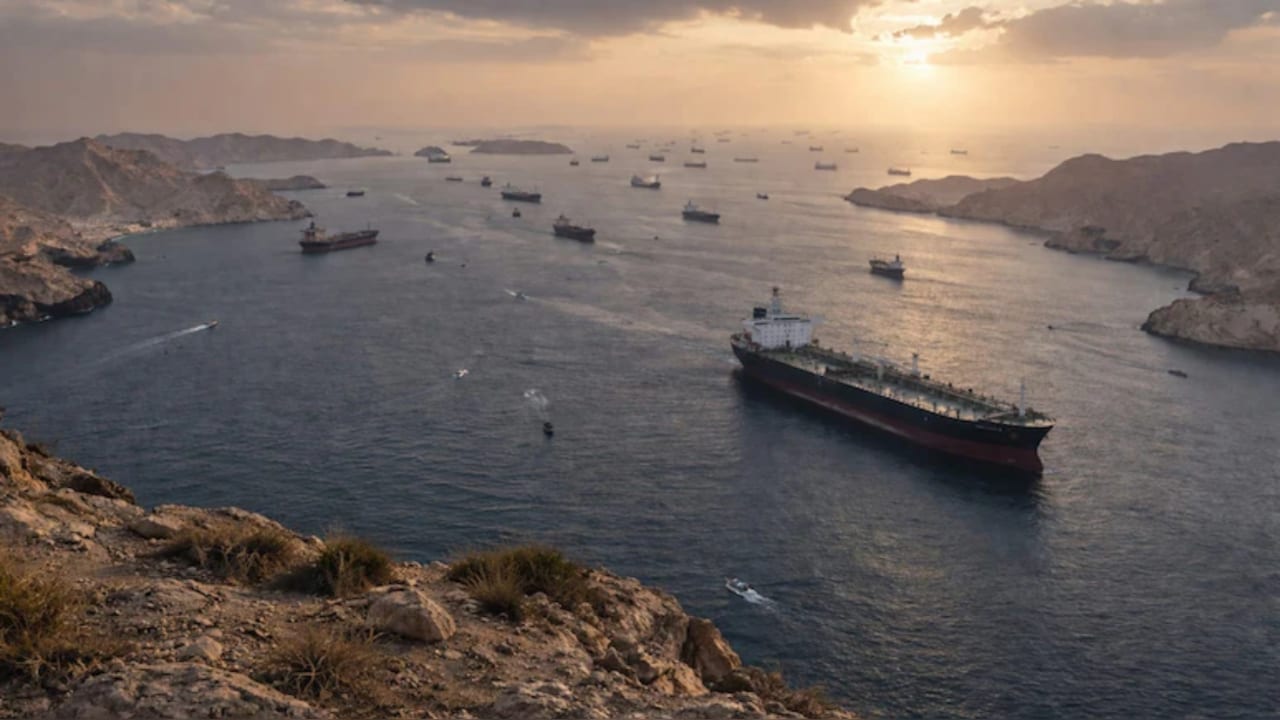
Tensions in the Persian Gulf have escalated after Iran rejected Oman's proposed ceasefire plan. The proposal aimed to lower diplomatic barriers, but Tehran argued it did not sufficiently address its security concerns. In response, Iran has floated a temporary plan that gives it a larger role in negotiations, signaling a hardening of its stance.
This standoff is critical for investors because it threatens to disrupt the flow of oil through the Strait of Hormuz, a vital chokepoint for global energy supplies. Any escalation could lead to supply shortages and higher fuel prices, which would ripple through global markets and impact the broader economy.
Investors should watch for further diplomatic developments and any signs of increased military activity in the region. While the immediate impact on the stock market may be limited, prolonged instability could create volatility in commodity prices and risk sentiment.
Key takeaways
- Category: Economy.
- AI reads the tone as negative (potentially bearish) for the stock.
- Flagged as a high-impact, market-moving story.
Why it matters
This is a high-impact development and could move the stock. The tone is negative — watch for downside reaction. Use the price and stock snapshot to gauge how the market is responding.