Positive impactStocks
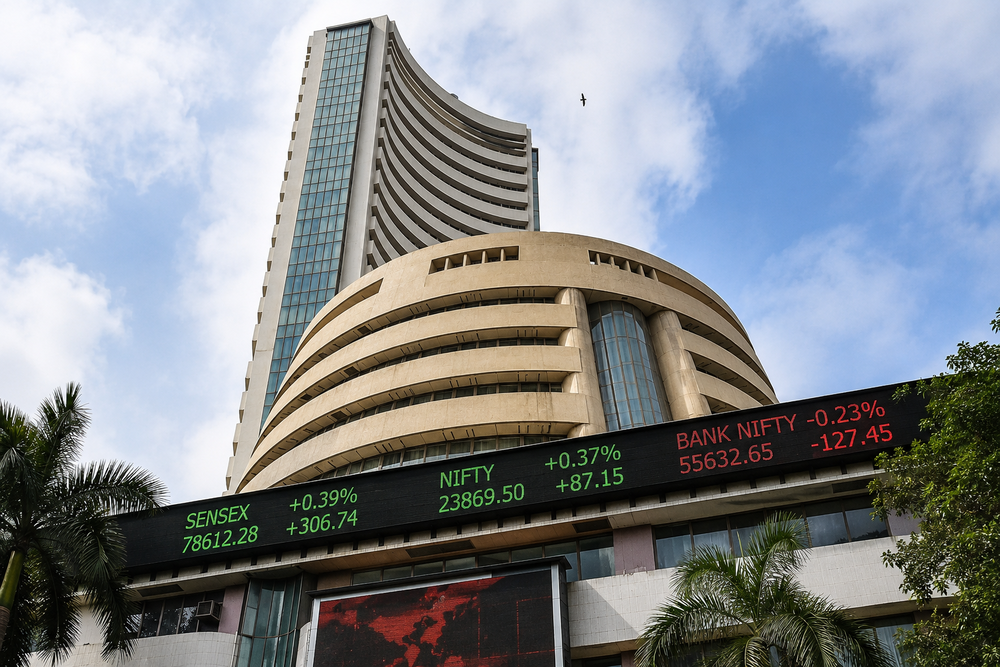
India’s New Closing Auction Sparks Second Nifty Jump on Expiry
Bloomberg.com 2 hrs ago·4 Aug 2026, 10:52 am
Stocks Bloomberg.com
India’s stock markets saw a second consecutive rise on expiry day, driven by a new closing auction mechanism introduced by the National Stock Exchange (NSE). This change requires traders to submit their buy and sell orders for the final 15 minutes of trading into a single pool, which is then matched at a single price. This process helps determine the official closing price more transparently.
For investors, this shift is significant because the closing price is used to calculate index funds, derivatives, and market benchmarks. By reducing volatility and uncertainty during the final minutes, the new auction aims to provide a more accurate reflection of market sentiment. It also helps prevent last-minute price manipulation, giving retail investors greater confidence in the day's settlement price.
Investors should watch how the auction price compares to the previous day's close. If the auction price is significantly higher, it may indicate strong buying interest at the end of the session. Conversely, a lower price could signal profit booking. Monitoring this trend will help gauge the true strength of the market before the next trading day begins.
Key takeaways
- Category: Stocks.
- AI reads the tone as positive (potentially bullish) for the stock.
- Assessed as a significant, market-relevant update.
Why it matters
A meaningful update worth tracking. The tone is positive — historically associated with upward pressure, though not predictive. Use the price and stock snapshot to gauge how the market is responding.