Manufacturing To Soft Power: PM Modi's Seven-Pillar Roadmap For India's Economy Explained
NDTV Profit 2 hrs ago·15 Aug 2026, 6:58 am
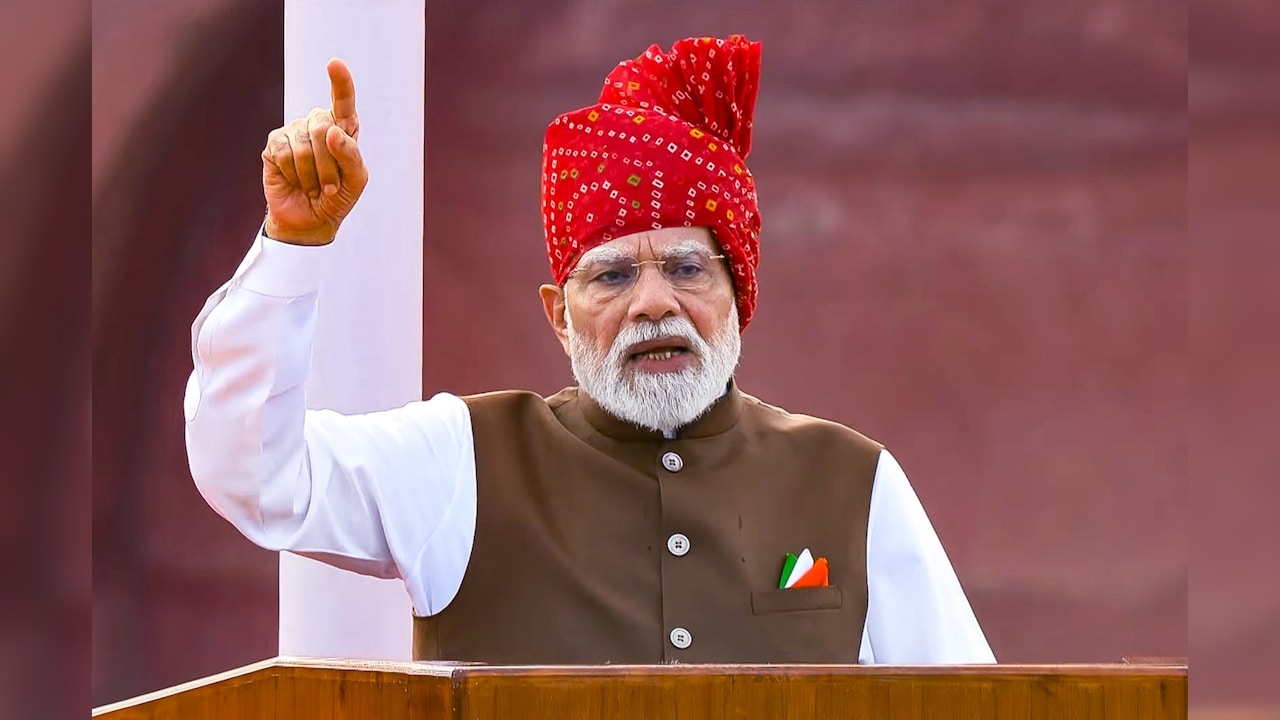
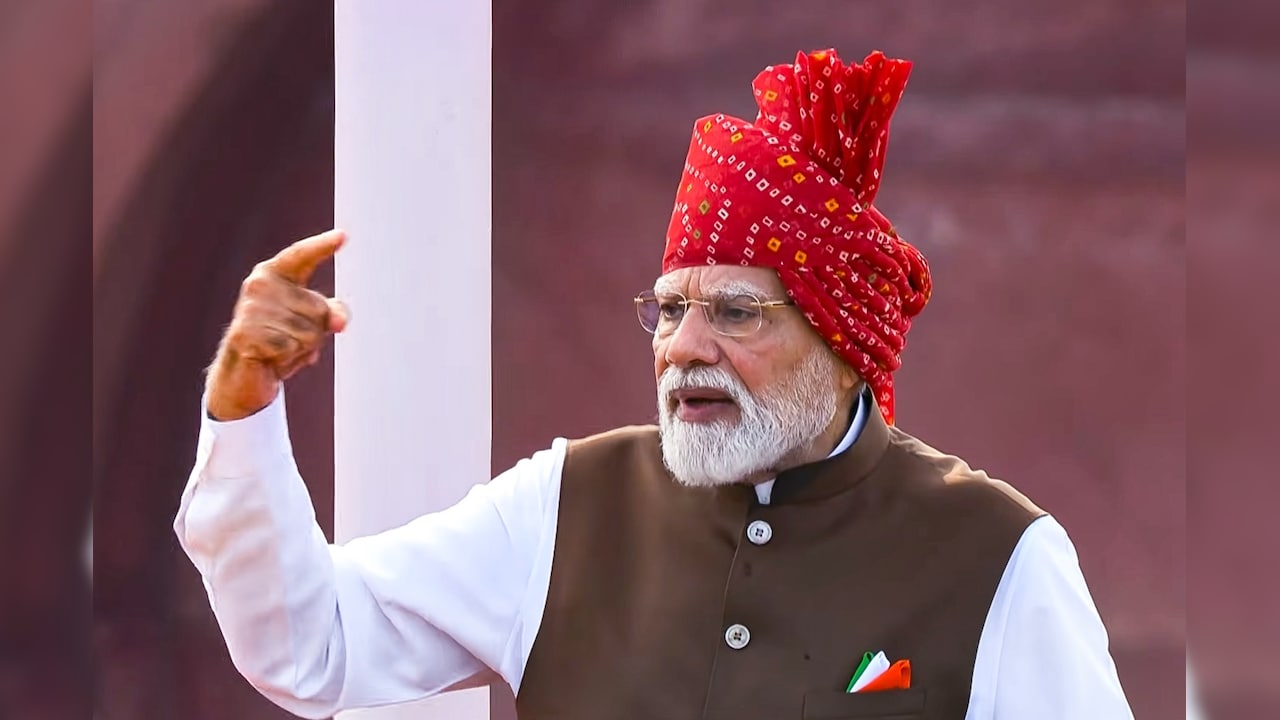
Prime Minister Narendra Modi has unveiled a comprehensive seven-pillar strategy known as the 'Saptadhara' to guide India's economic growth. This roadmap aims to integrate key sectors like manufacturing, agriculture, technology, and infrastructure with newer focuses on defence, green, and blue economies. The ultimate goal is to achieve self-reliance and a developed nation status, or 'Viksit Bharat,' by the year 2047.
For investors, this vision suggests a long-term structural shift in the economy. It highlights the potential for growth across diverse industries, from traditional manufacturing to emerging green sectors. The strategy signals a focus on building domestic capabilities and resilience, which could influence the direction of capital allocation and policy support over the coming decades.
Investors should monitor how this roadmap translates into specific policy actions and government spending. The success of these pillars will depend on execution and the ability to foster innovation. Keeping an eye on regulatory changes and infrastructure development will be key to understanding the real-world impact of this ambitious economic vision.
Key takeaways
- Category: Economy.
- AI reads the tone as positive (potentially bullish) for the stock.
- Flagged as a high-impact, market-moving story.
Why it matters
This is a high-impact development and could move the stock. The tone is positive — historically associated with upward pressure, though not predictive. Use the price and stock snapshot to gauge how the market is responding.