Neutral impactCompany
Which Tax Regime Saves More? Here's How To Calculate Your ITR Dues Before July 31 Deadline
NDTV Profit 1 hr ago·29 Jul 2026, 1:00 am

The Indian government offers two income tax regimes: the default old regime and a new regime with lower tax rates but fewer exemptions. Investors must choose one for the financial year 2023-24. The new regime is generally more beneficial for those with income from salary, capital gains, or interest, as it reduces the tax liability. However, the old regime remains better for individuals with high deductions, such as those from the National Pension System (NPS) or house rent allowances. Investors should compare their total tax liability under both options before filing their Income Tax Return (ITR) by the July 31 deadline.
This decision is crucial because it directly affects your take-home income and overall savings. A lower tax bill means more money remains in your pocket, which can be reinvested or used for other financial goals. Since the new regime does not allow for many standard deductions, it is essential to run the numbers carefully. Investors should review their specific income sources and exemptions to make an informed choice that minimizes their tax outflow.
To make the right choice, investors should calculate their tax liability under both regimes using the official tax calculator or by consulting a tax professional. The deadline for filing ITRs is approaching, so it is important to act promptly. Investors should also ensure they have all necessary documents, such as Form 16 and investment proofs, ready. Making an informed decision now can help avoid last-minute confusion and ensure compliance with tax laws.
Key takeaways
- Category: Company.
Why it matters
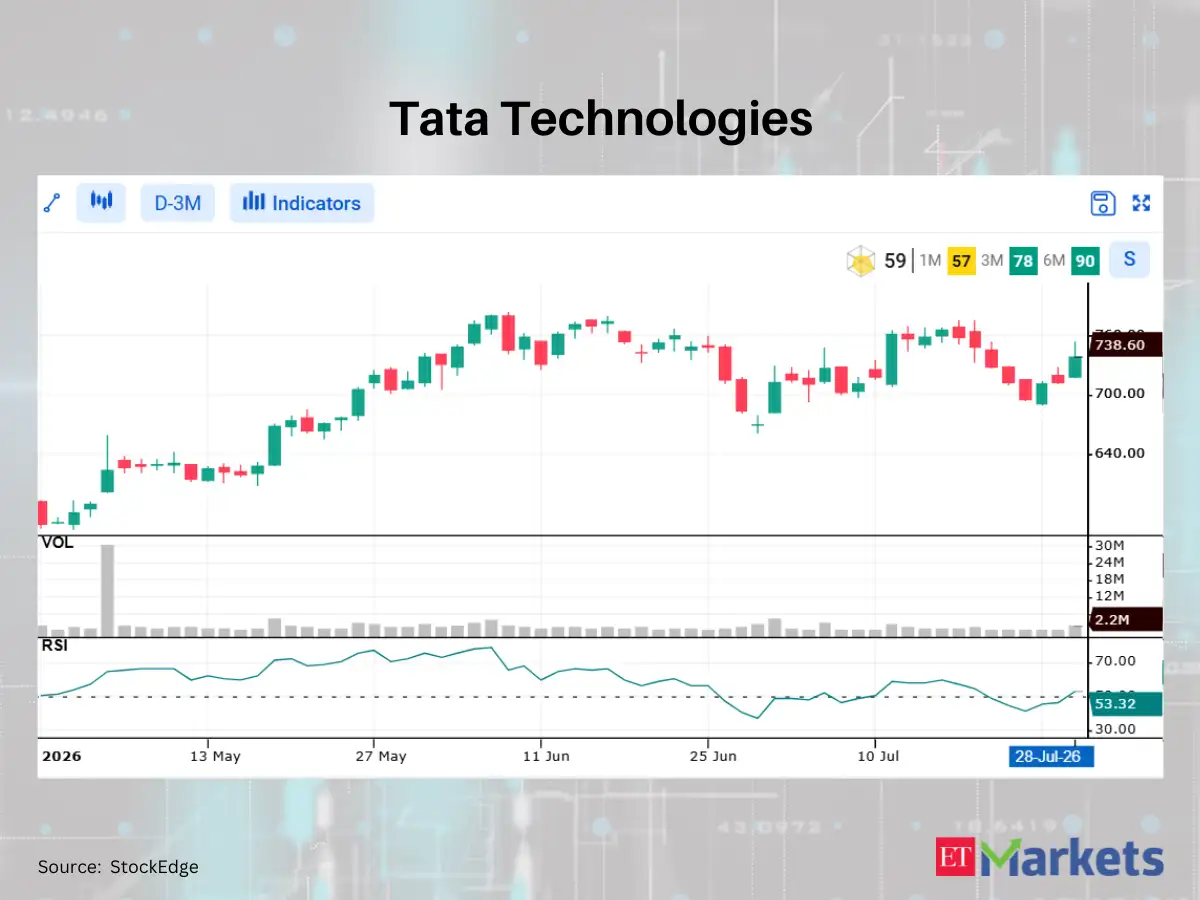
A routine update. Use the price and stock snapshot to gauge how the market is responding.