INR slips near two-week low as RBI shortens dollar deposit window
Business Standard 1 hr ago·17 Aug 2026, 4:34 am

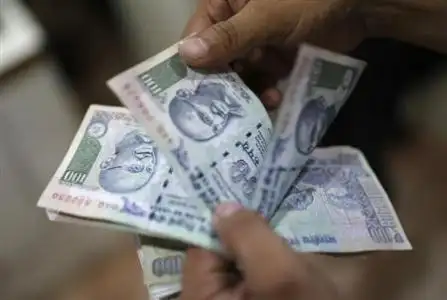
The Indian rupee has weakened to a two-week low, driven by the Reserve Bank of India (RBI) shortening the duration of dollar deposit windows for banks. This policy move is designed to encourage banks to hold onto foreign currency reserves for a longer period, which helps stabilize the exchange rate. As a result, the supply of dollars in the market has tightened, putting upward pressure on the rupee's value.
For investors, this move signals the RBI's active role in managing currency volatility. A weaker rupee can make imports more expensive, potentially affecting the cost of goods and raw materials. However, it can also boost the earnings of export-oriented companies. The central bank's intervention highlights its focus on maintaining financial stability amidst global economic fluctuations.
Investors should monitor global cues, particularly US Federal Reserve interest rate decisions, as these heavily influence the rupee. Keeping an eye on the RBI's future policy statements will also be crucial to understanding how the central bank plans to navigate these currency dynamics.
Excerpt from Business Standard
The Indian rupee fell in opening trades on Monday, near a two-week low after the Reserve bank of India shortened the window for mobilising fresh Foreign Currency Non-Resident (Bank), or FCNR(B), deposits under its special USD-INR forex swap facility by one month, moving the deadline forward to August 31, 2026. INR…Read the original at Business Standard
Key takeaways
- Category: Forex.
- AI reads the tone as negative (potentially bearish) for the stock.
- Flagged as a high-impact, market-moving story.
Why it matters
This is a high-impact development and could move the stock. The tone is negative — watch for downside reaction. Use the price and stock snapshot to gauge how the market is responding.