Negative impactCorporate Action
A tightening test for global economic resilience
Mint 2 hrs ago·12 Oct 2026, 1:00 am

Global central banks are signaling a shift toward tighter monetary policy, driven by persistent inflation and elevated oil prices. This move, often called 'going hawkish,' involves raising interest rates to cool down the economy and control price rises.
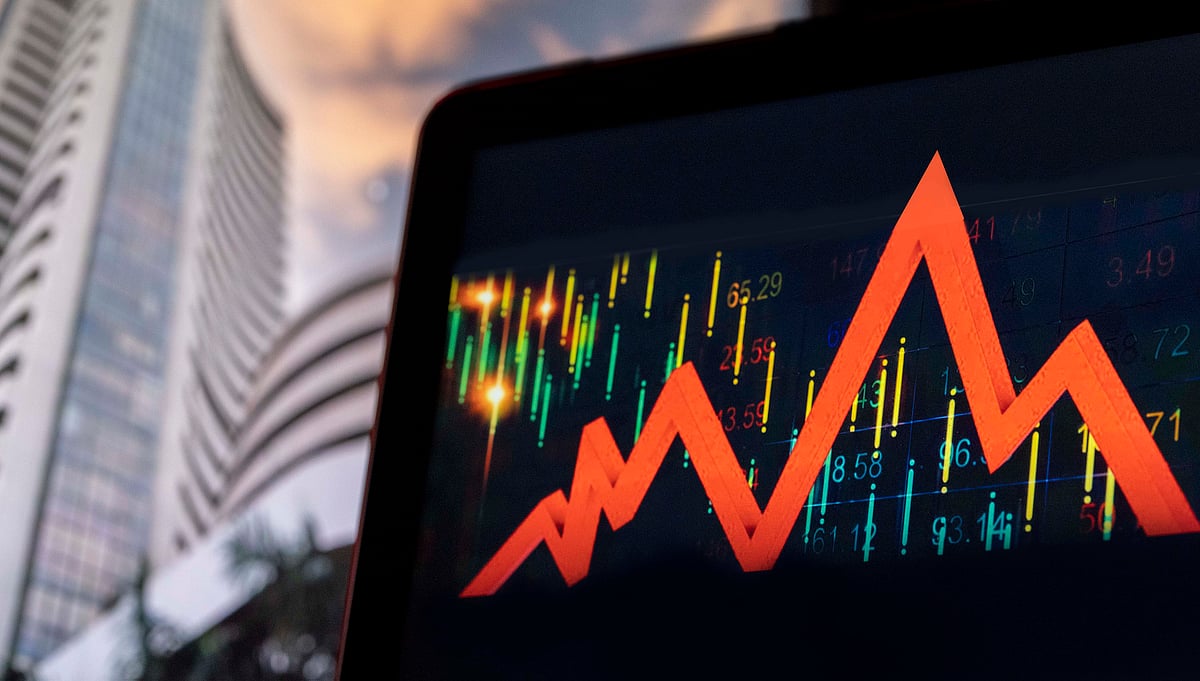
For investors, this environment creates a difficult balancing act. Higher rates generally increase the cost of borrowing for companies and consumers, which can slow down economic growth. This uncertainty often leads to volatility in financial markets as investors adjust their expectations for future returns.
Investors should watch central bank statements and inflation data closely. A sudden shift in policy could impact stock valuations and global capital flows, making it crucial to stay informed about how these decisions affect the broader market.
Key takeaways
- Category: Corporate Action.
- AI reads the tone as negative (potentially bearish) for the stock.
- Assessed as a significant, market-relevant update.
Why it matters
A meaningful update worth tracking. The tone is negative — watch for downside reaction. Use the price and stock snapshot to gauge how the market is responding.