Neutral impactEconomy
An 'Incident Line', Not An Accord: What Bessent's Narrow AI Safety Proposal To China Entails
NDTV Profit 3 hrs ago·22 Sept 2026, 5:56 pm
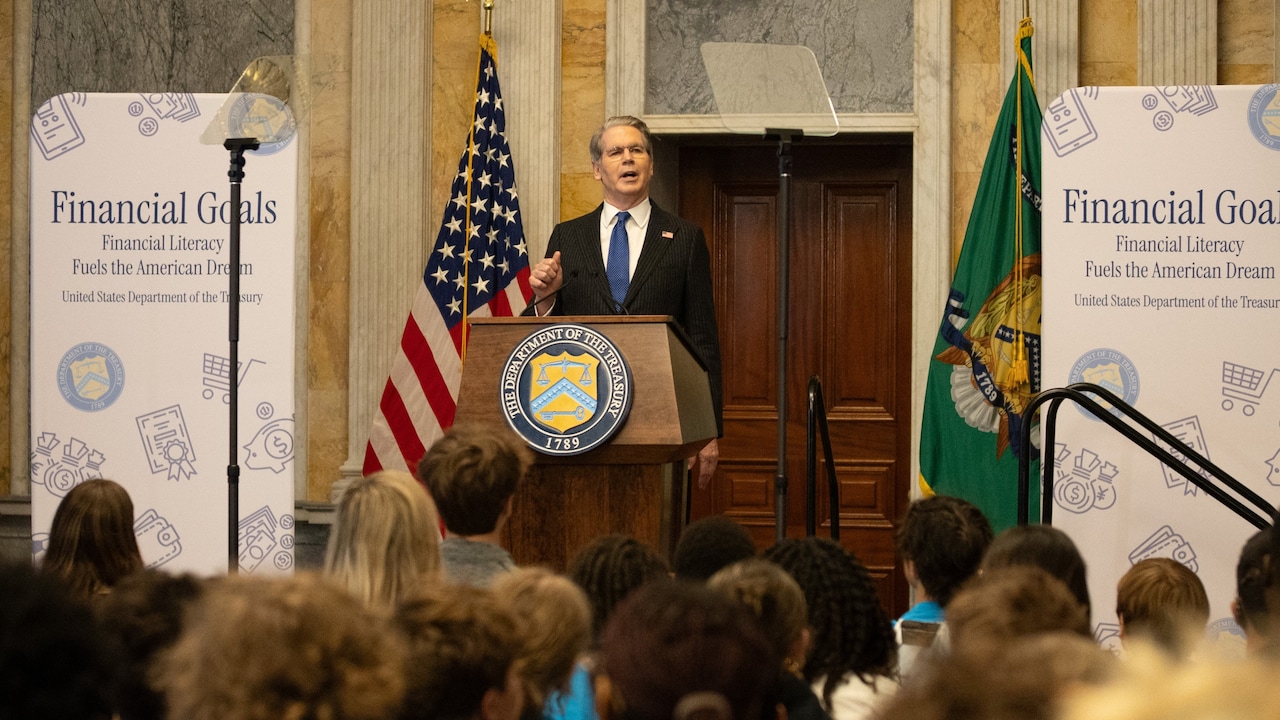
US Treasury Secretary Scott Bessent has outlined a new framework for managing artificial intelligence risks with China. Rather than a formal treaty, this proposal is described as an 'incident line.' This means the focus is on establishing clear, transparent communication channels to prevent accidental conflicts or escalations during the intense global AI race. The goal is to ensure that both nations understand each other's actions and can de-escalate tensions before they lead to broader geopolitical instability.
For investors, this development is significant because it suggests a potential effort to stabilize the relationship between the world's two largest economies. While it does not immediately alter trade tariffs or specific sector regulations, it reduces the risk of sudden, unpredictable geopolitical shocks. Markets often react negatively to uncertainty, so a move toward clearer communication can be viewed as a positive step for risk management in the long term.
Investors should watch for the official release of this framework and any subsequent statements from Chinese officials. The market's reaction to these details will be key. If the proposal is seen as a genuine step toward de-escalation, it could support broader market sentiment. Conversely, if the response from China is negative, it could trigger renewed volatility in technology and trade-sensitive sectors.
Key takeaways
- Category: Economy.
Why it matters
A routine update. Use the price and stock snapshot to gauge how the market is responding.