Neutral impactEconomy
ATM Fee Capped At Rs 23 Beyond Free Limits Under RBI’s New Card Norms: What Changes For You
NDTV Profit 7 hrs ago·27 Nov 2026, 4:21 pm
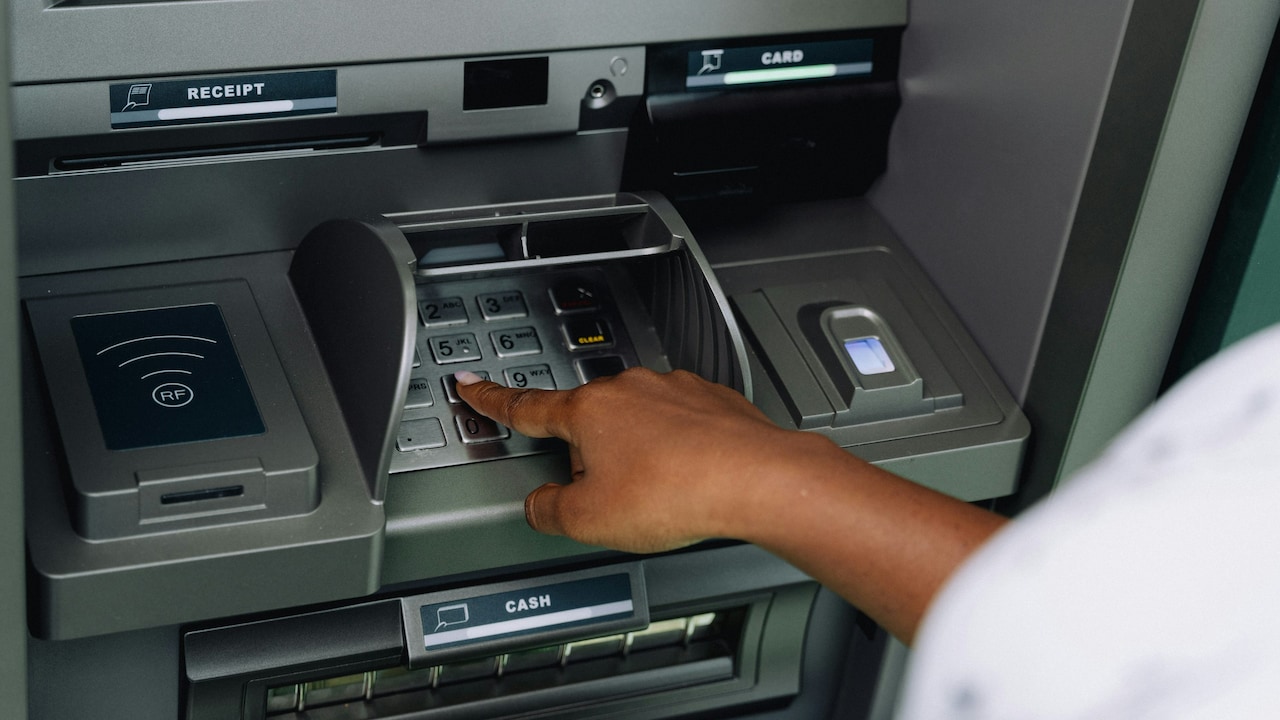
The Reserve Bank of India (RBI) has introduced new rules to standardise card charges across the country. Under these guidelines, banks can now charge a maximum fee of Rs 23 for cash withdrawals from ATMs once the five free monthly transactions are exhausted. Previously, charges varied significantly between different banks and networks, causing confusion for customers. This move aims to create a uniform pricing structure for debit and credit card users.
For investors, this policy change is a neutral macro development. It primarily benefits the average consumer by reducing the cost of accessing cash, which supports retail spending habits. However, it does not directly impact the financial performance of specific companies. Investors should monitor how banks adjust their fee structures, as this could influence customer retention and the overall competitiveness of the banking sector in the long run.
Looking ahead, the key focus will be on the implementation timeline and whether banks pass on these new charges to customers immediately. While the regulation offers relief to frequent users, it also places a cap on the revenue banks can generate from ATM surcharges. Investors should watch for updates on compliance and any subsequent changes in customer traffic at bank branches.
Key takeaways
- Category: Economy.
Why it matters
A routine update. Use the price and stock snapshot to gauge how the market is responding.