Negative impactSector
Bank Fails To Auto-Debit SIP Money: What Happens To Your Existing Mutual Fund Corpus And Can You Transfer It?
NDTV Profit 1 hr ago·25 Nov 2026, 4:44 am

If your bank’s auto‑debit for a systematic investment plan (SIP) fails, the scheduled amount is not transferred to the mutual fund on the intended date. The failure can be due to insufficient balance, a change in bank details, or a technical glitch.
When the debit does not go through, the fund house typically treats the installment as missed. Some schemes may levy a penalty or charge a processing fee, and the missed amount will not be added to your existing corpus, potentially affecting the compounding benefit.
Investors should check their bank statements, contact the asset‑management company to confirm the status, and arrange a manual payment if needed. Keep an eye on any grace period offered and consider updating the auto‑debit mandate or switching to a more reliable payment method.
Key takeaways
- Category: Sector.
- AI reads the tone as negative (potentially bearish) for the stock.
Why it matters
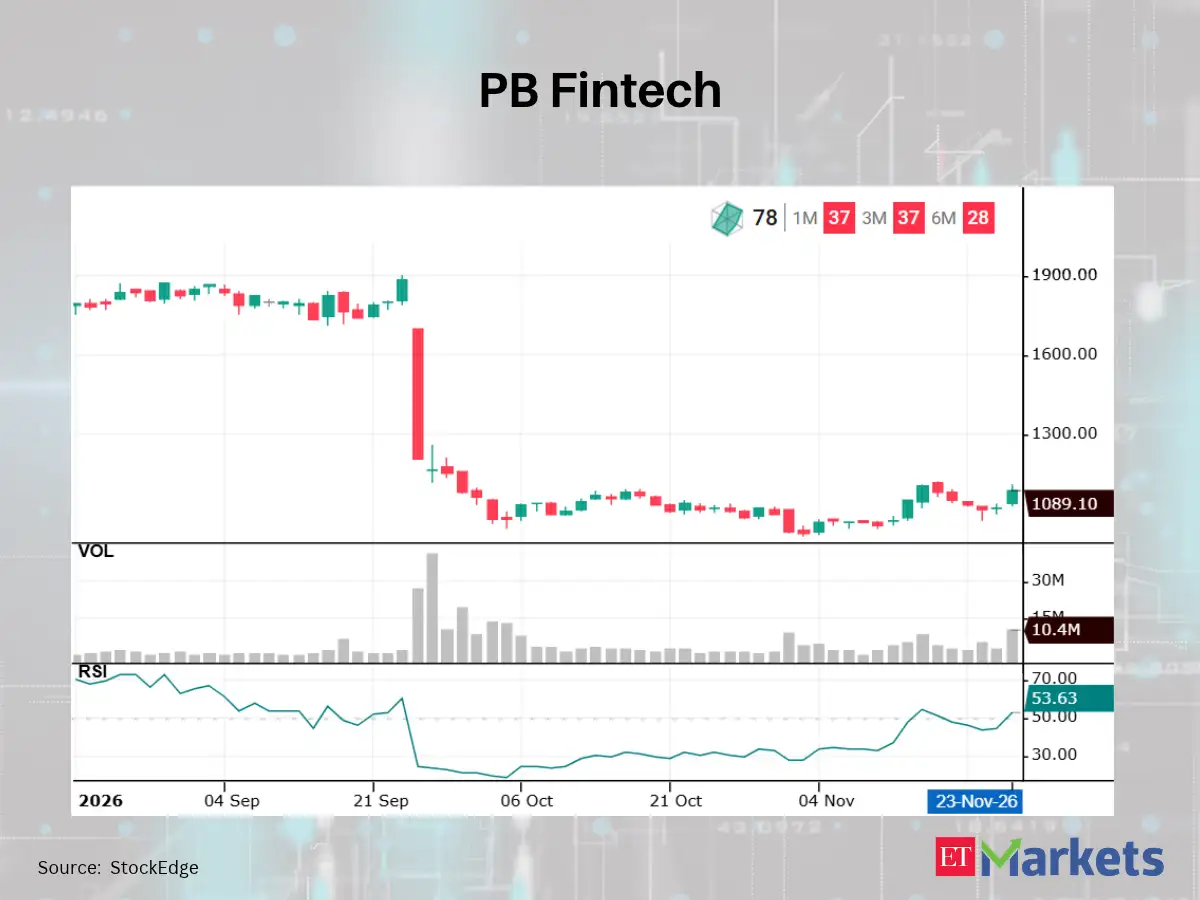
A routine update. The tone is negative — watch for downside reaction. Use the price and stock snapshot to gauge how the market is responding.