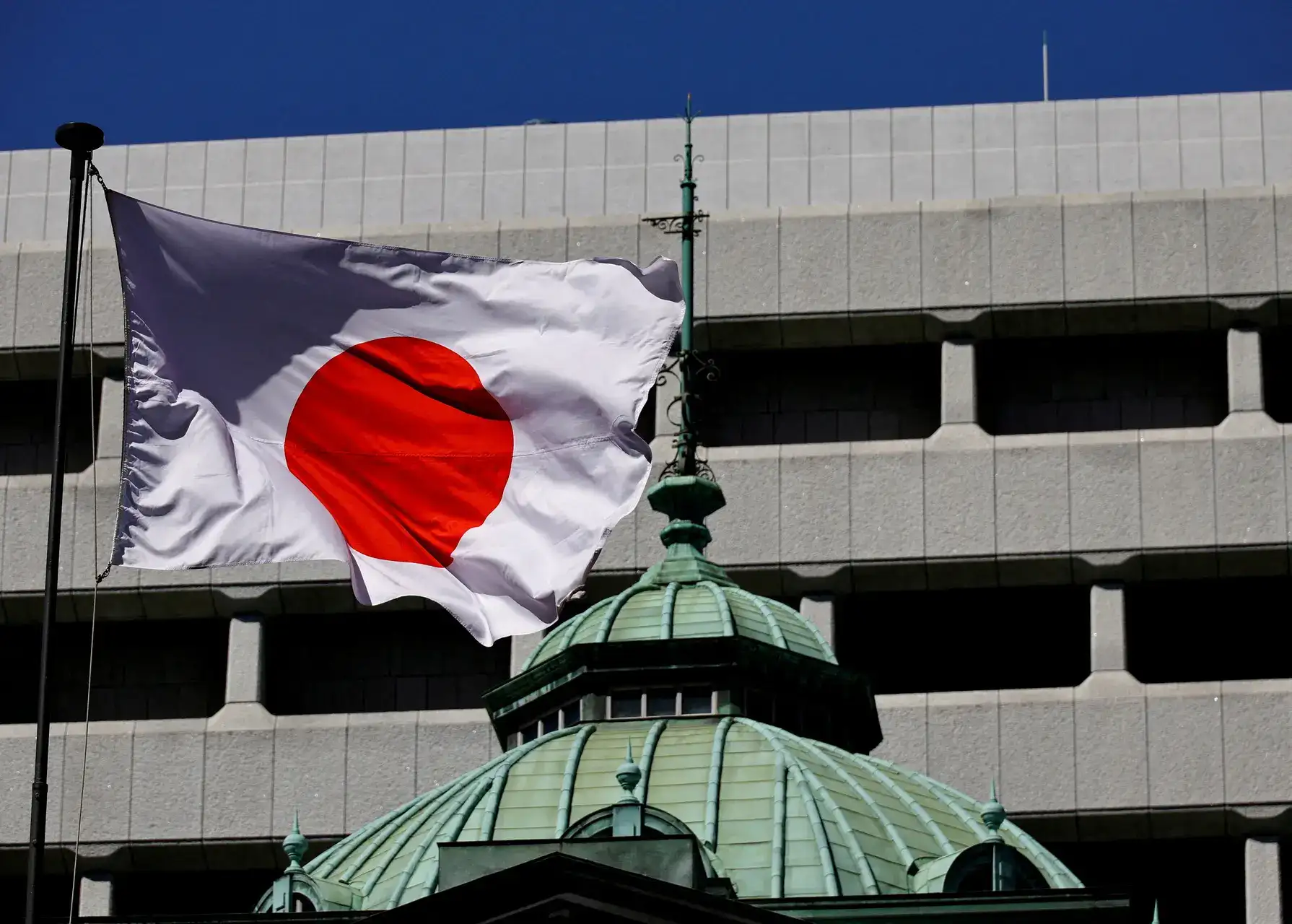
Bank of Japan increase interest rates at 31-year high of 1.25%
Mint 1 hr ago·18 Sept 2026, 3:22 am

The Bank of Japan has raised its benchmark interest rate to 1.25%, the highest level in over three decades. This historic shift marks a significant departure from the ultra-loose monetary policy the central bank has maintained for years to support the economy.
For investors, this move signals that Japan is finally moving away from negative interest rates. Higher rates typically strengthen the yen and can reduce the appeal of Japanese assets, potentially prompting some foreign capital to exit the market.
Investors should watch how this impacts global bond yields and the Japanese currency. A stronger yen could affect export-heavy companies, while the shift in policy may influence central banks in other major economies like the US and Europe.
Excerpt from Mint
Bank of Japan increase interest rate: BOJ raises interest rates to a 31-year high of 1.25% in a widely expected move Bank of Japan increase interest rate: The Bank of Japan raised interest rates to a 31-year high of 1.25% on Friday in a widely expected move to forestall risks of inflation overshooting its 2% inflation…Read the original at Mint
Key takeaways
- Category: Economy.
- AI reads the tone as negative (potentially bearish) for the stock.
- Flagged as a high-impact, market-moving story.
Why it matters
This is a high-impact development and could move the stock. The tone is negative — watch for downside reaction. Use the price and stock snapshot to gauge how the market is responding.