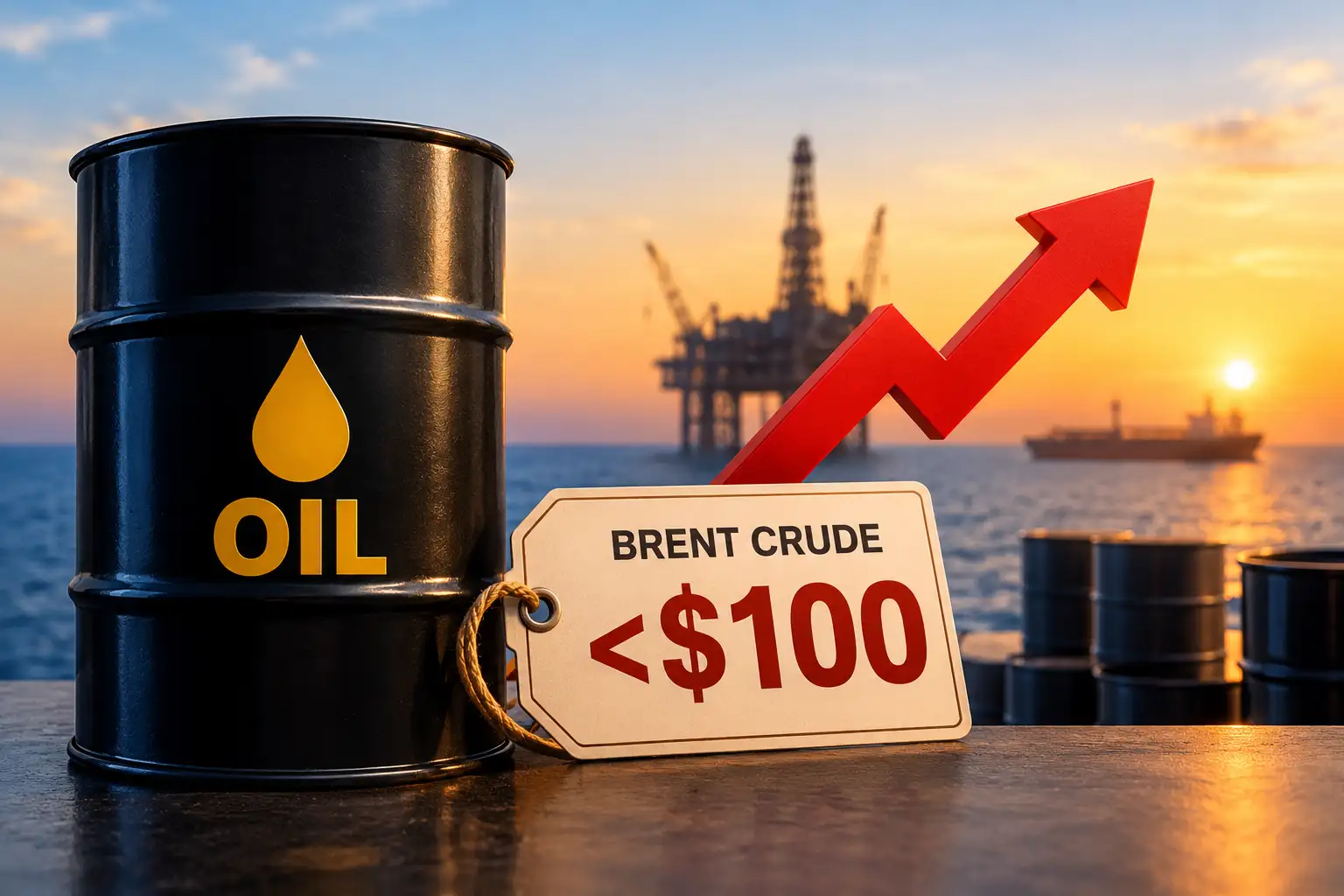
Brent crude climbs beyond $97 as Hormuz disruptions choke global oil supplies
Times of India 2 hrs ago·8 Sept 2026, 1:57 am

Global oil prices have surged past the $97 per barrel mark, driven by heightened fears that the conflict in the Middle East will disrupt the flow of crude through the Strait of Hormuz. This narrow waterway is a critical chokepoint for global energy supplies, and escalating tensions between Iran and the US have increased the risk of shipping blockades or attacks on infrastructure.
For investors, this spike in commodity prices acts as a double-edged sword. While it boosts the bottom lines of oil-producing companies and benefits the broader market through higher commodity revenues, it simultaneously raises the cost of fuel and production for other sectors. This can squeeze profit margins for airlines, logistics firms, and manufacturing companies that rely heavily on energy inputs.
Investors should keep a close watch on the geopolitical situation and official statements from major oil producers. Any further escalation could push prices higher, while a de-escalation in tensions might lead to a rapid pullback in crude costs. Monitoring these developments is essential for gauging the impact on inflation and corporate earnings across the board.
Key takeaways
- Category: Commodity.
- AI reads the tone as positive (potentially bullish) for the stock.
- Flagged as a high-impact, market-moving story.
Why it matters
This is a high-impact development and could move the stock. The tone is positive — historically associated with upward pressure, though not predictive. Use the price and stock snapshot to gauge how the market is responding.