Neutral impactSector
Can UPI become commercially self-sustaining with MDR?
Economic Times 4 hrs ago·25 Sept 2026, 1:30 am

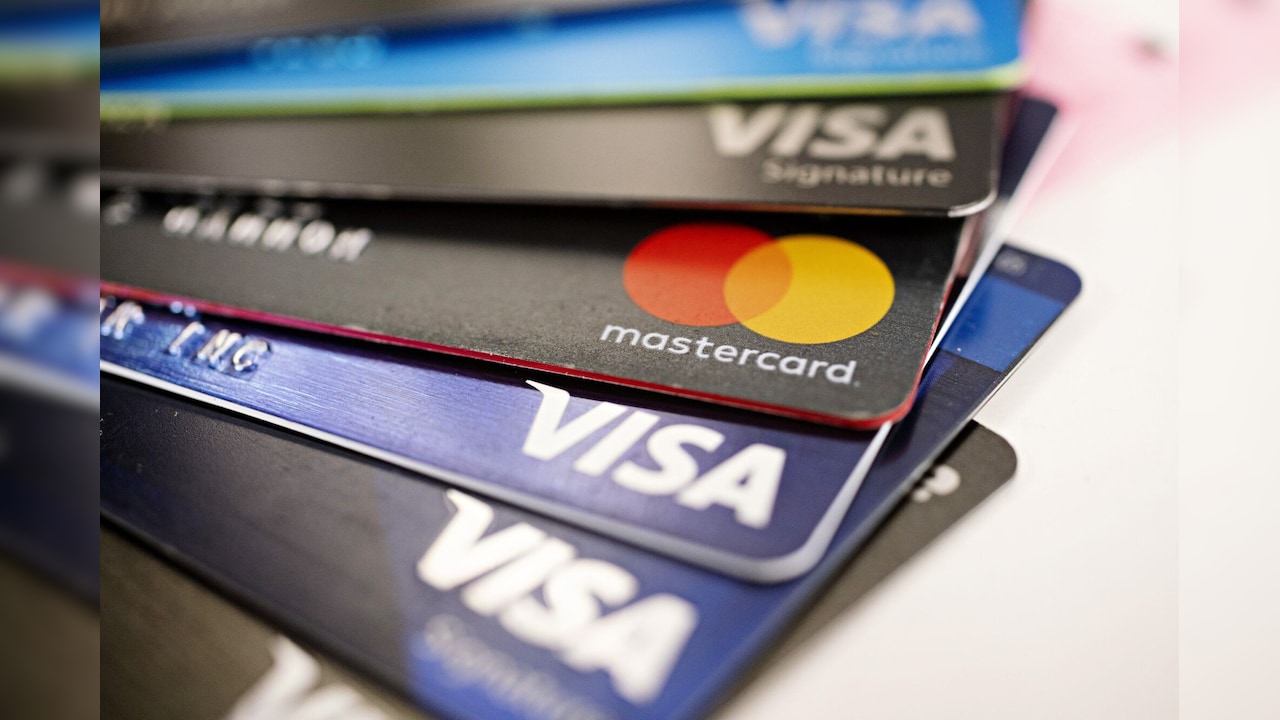
The National Payments Corporation of India (NPCI) is exploring a new policy to charge merchant discount rates (MDR) on high-value UPI transactions. This move aims to create a dedicated revenue stream to help the system become financially self-sustaining. Currently, UPI operates largely on a cost-plus model, where the cost of processing payments is absorbed by the ecosystem, and the government has waived MDR to encourage digital adoption.
For investors, this development signals a potential shift in the financial technology landscape. It highlights the growing maturity of India's digital payments infrastructure and the increasing focus on monetizing these services. While the new fees are expected to generate significant revenue, current projections suggest they may only partially offset the operational costs, meaning the ecosystem will likely require a mix of funding sources for the foreseeable future.
Investors should watch for the final notification on the MDR structure and the NPCI's subsequent financial disclosures. The success of this revenue model will depend on the final fee structure and the volume of high-value transactions processed. This will be a key factor in assessing the long-term profitability of the digital payments ecosystem.
Key takeaways
- Category: Sector.
Why it matters
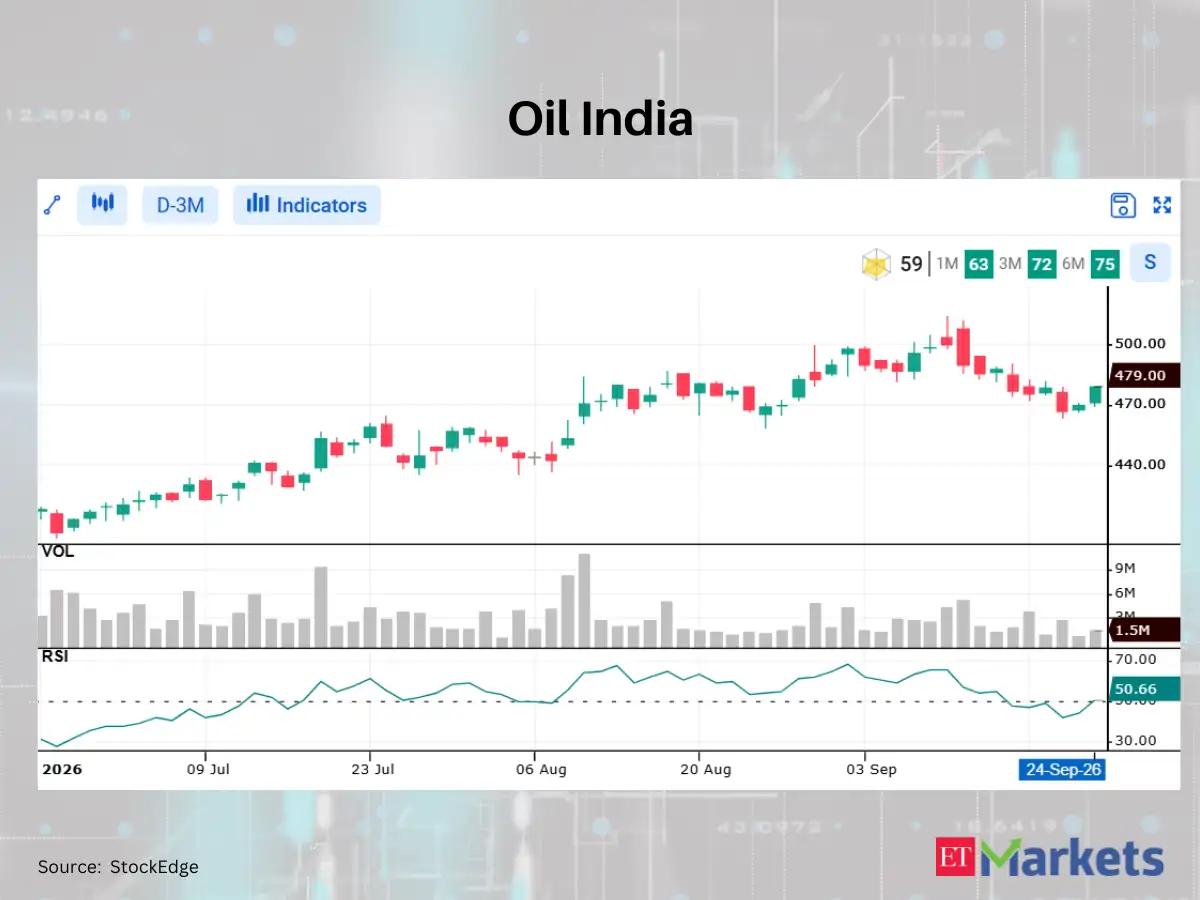
A routine update. Use the price and stock snapshot to gauge how the market is responding.