Negative impactEconomy
Credit, debit cards sharply losing market share to UPI
Times of India 1d ago·28 Aug 2026, 11:07 pm
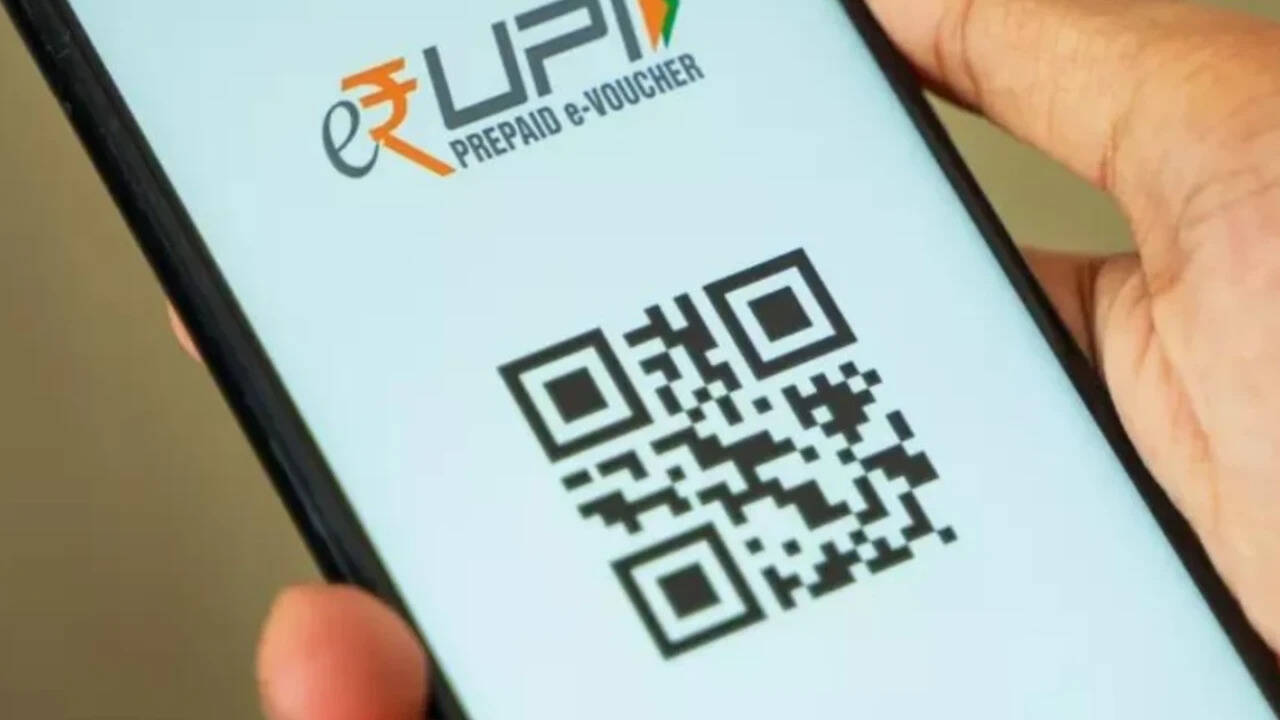
The digital payment landscape is undergoing a major shift as the Unified Payments Interface (UPI) rapidly gains ground over traditional credit and debit cards. This trend, driven by the widespread adoption of smartphones and a preference for instant, zero-fee transactions, is reshaping how consumers pay for goods and services across the country. While cards remain vital for large purchases, UPI's seamless peer-to-peer and merchant interactions are making it the dominant mode of payment for everyday expenses.
For investors, this structural change signals a long-term decline in the usage of plastic cards, which could impact the profitability of major banking and financial institutions. Companies heavily reliant on card transaction fees and associated services may see a gradual reduction in revenue streams. Conversely, this evolution favors fintech firms and payment gateways that are at the forefront of the digital revolution.
Investors should monitor quarterly reports from banking and financial services firms to gauge how effectively these institutions are adapting to the UPI boom. The focus should be on their digital transformation strategies and their ability to capture value in a cashless economy. Keeping an eye on the growth of digital wallets and other digital payment platforms will also provide insight into the broader market trends.
Key takeaways
- Category: Economy.
- AI reads the tone as negative (potentially bearish) for the stock.
- Assessed as a significant, market-relevant update.
Why it matters
A meaningful update worth tracking. The tone is negative — watch for downside reaction. Use the price and stock snapshot to gauge how the market is responding.