Negative impactCommodity
Diwali demand masks bigger risk: Indonesia’s supply warning casts shadow on Palm oil prices ahead of 2027
BusinessLine 1 hr ago·12 Oct 2026, 8:26 am

Indonesia, the world's top palm oil producer, has warned of a sharp drop in supply, projecting a decline of 4 to 5 million tonnes. This reduction is driven by a significant increase in domestic biodiesel consumption, which is consuming a larger share of the country's harvest. Consequently, global palm oil prices have risen, offering a short-term boost to the sector.
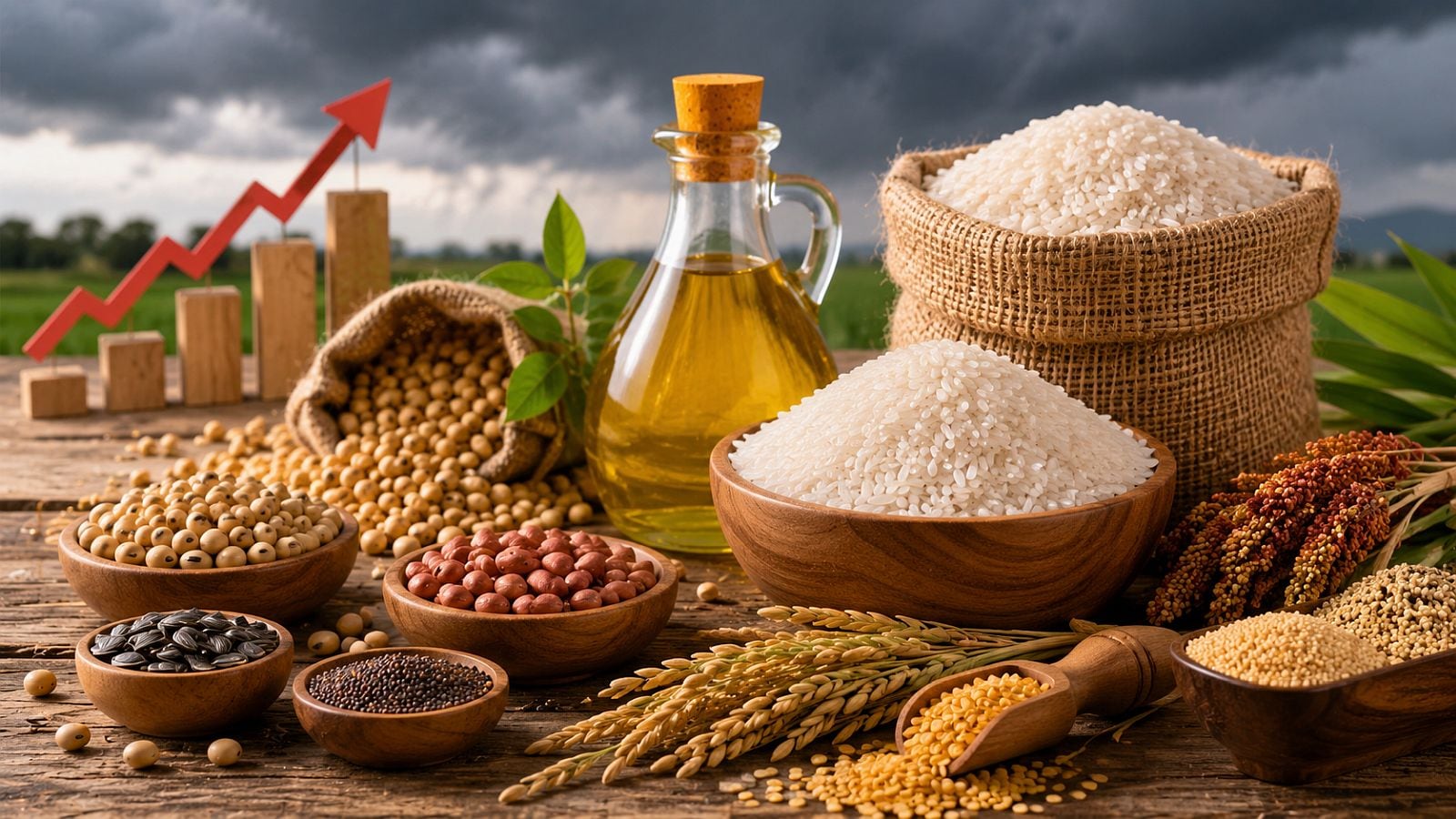
However, for investors, the outlook is more complex. While higher prices might seem positive, they could eventually hurt demand. As the cost of palm oil rises, buyers may switch to cheaper alternatives, such as sunflower or soybean oil. This shift could dampen the rally, making it a critical factor to watch in the coming months.
The key risk remains the balance between supply cuts and demand elasticity. If global demand does not keep pace with the reduced supply, prices could stabilize or even fall. Investors should monitor production data from Indonesia and track shifts in global vegetable oil consumption to gauge the market's next move.
Excerpt from BusinessLine
As FMCG giants ITC, Britannia, Nestlé India and PepsiCo India, alongside snack makers Haldiram’s and Bikaji Foods, prepare for Diwali demand, a potential palm oil supply squeeze in Indonesia is casting a shadow over their 2027 input costs. Major edible oil businesses, including AWL Agri Business, Patanjali Foods,…Read the original at BusinessLine
Key takeaways
- Category: Commodity.
- AI reads the tone as negative (potentially bearish) for the stock.
- Assessed as a significant, market-relevant update.
Why it matters
A meaningful update worth tracking. The tone is negative — watch for downside reaction. Use the price and stock snapshot to gauge how the market is responding.