Negative impactCommodity
Egg Prices Are Set To Crack Higher This Winter. Can Better Maize Policy Save Your Breakfast Budget?
NDTV Profit 1 hr ago·3 Sept 2026, 11:14 am
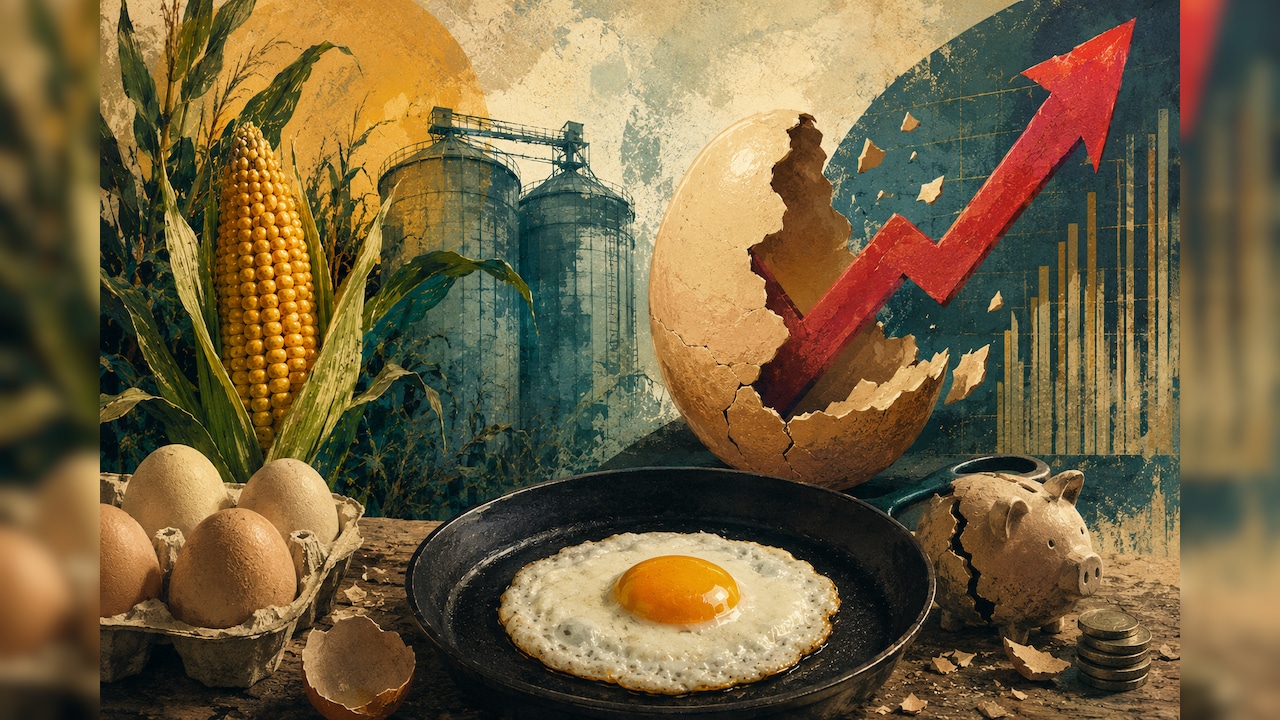
Egg prices are likely to rise this winter due to a shortage of maize, which is the primary feed for poultry. This staple grain is currently facing high demand from two different sectors: the poultry industry for animal feed and the ethanol industry for fuel production. When supply cannot keep up with this dual demand, the cost of maize increases, which is then passed on to consumers in the form of higher egg prices.
For investors, this situation highlights the interconnectedness of commodity markets. The struggle to balance food security with energy needs creates volatility in essential goods. Traders should monitor weather patterns in maize-growing regions and government policies aimed at stabilizing grain supplies. Understanding these supply-demand dynamics is crucial for anticipating changes in the cost of living and related consumer sectors.
Key takeaways
- Category: Commodity.
- AI reads the tone as negative (potentially bearish) for the stock.
Why it matters
A routine update. The tone is negative — watch for downside reaction. Use the price and stock snapshot to gauge how the market is responding.