El Nino effect: Monsoon deficit hits 15%; Key pulses and oilseeds at risk
Economic Times 1 hr ago·9 Sept 2026, 6:55 pm
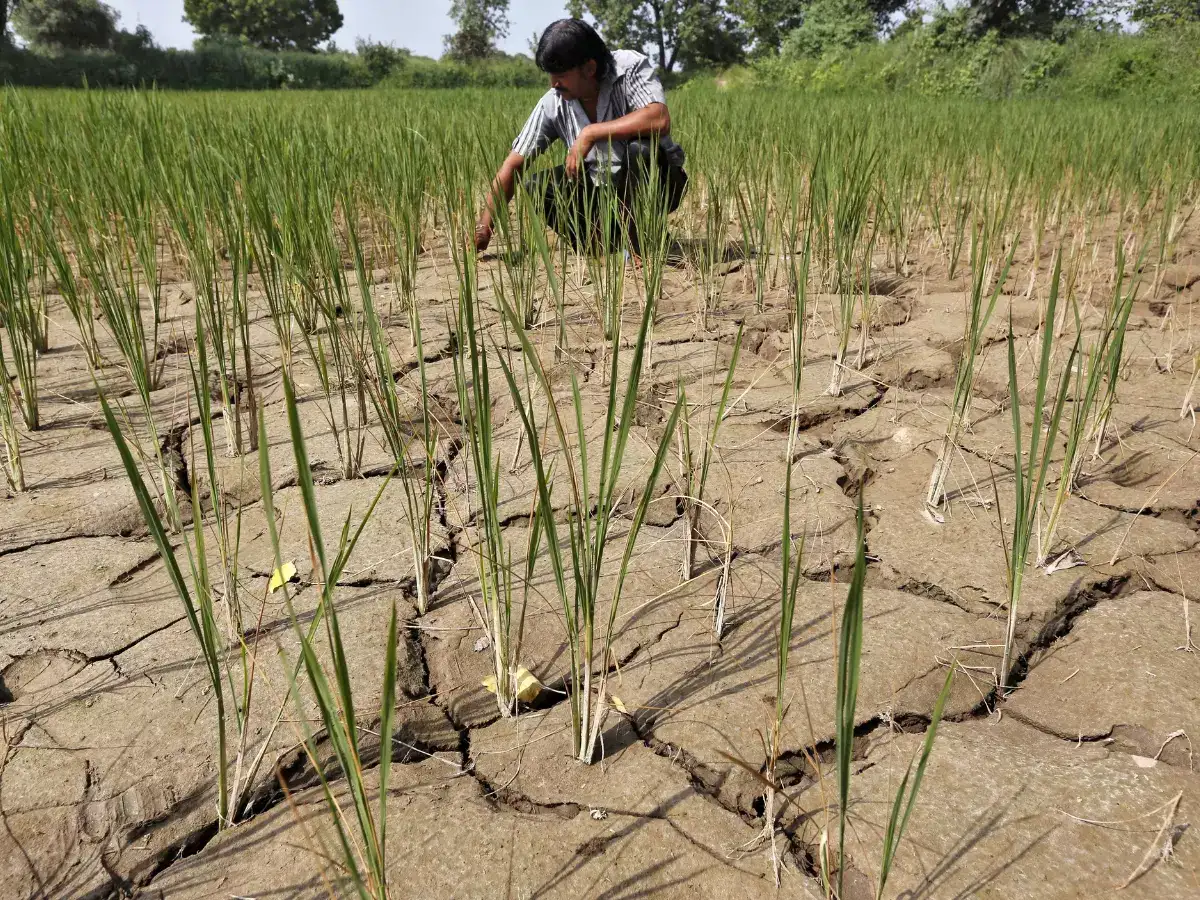
India's monsoon rainfall has fallen 15% below normal, creating a significant deficit that impacts nearly half of the country's districts. This shortfall is particularly concerning for summer-sown crops, including pulses and oilseeds, which are vital for food security and domestic consumption. The reduced moisture levels are also prompting several states to enforce water rationing measures to ensure resources are preserved for the upcoming winter sowing season.
For investors, this development highlights the growing risks to agricultural output and inflation. A lower harvest could tighten supply for key commodities, potentially driving up food prices. This macroeconomic pressure may influence the broader market, particularly sectors dependent on agricultural inputs or those sensitive to inflationary trends.
Investors should monitor government interventions and weather forecasts closely. Any further deterioration in rainfall patterns or the implementation of export restrictions on pulses could create volatility in commodity markets. Keeping an eye on inflation data and monsoon updates will be crucial for gauging the market's reaction to these developments.
Excerpt from Economic Times
India's monsoon rainfall deficit stands at fifteen percent, impacting nearly half of its districts. This shortage threatens summer-sown crops like pulses and soybeans, potentially reducing yields. Several states are implementing water rationing measures to conserve resources for winter crops. High temperatures are…Read the original at Economic Times
Key takeaways
- Category: Economy.
- AI reads the tone as negative (potentially bearish) for the stock.
- Flagged as a high-impact, market-moving story.
Why it matters
This is a high-impact development and could move the stock. The tone is negative — watch for downside reaction. Use the price and stock snapshot to gauge how the market is responding.