Neutral impactStocks
EPF Vs SIP: Where Should You Put Your Next Rs 10,000 For Long-Term Wealth?
NDTV Profit 1 hr ago·6 Sept 2026, 5:00 am
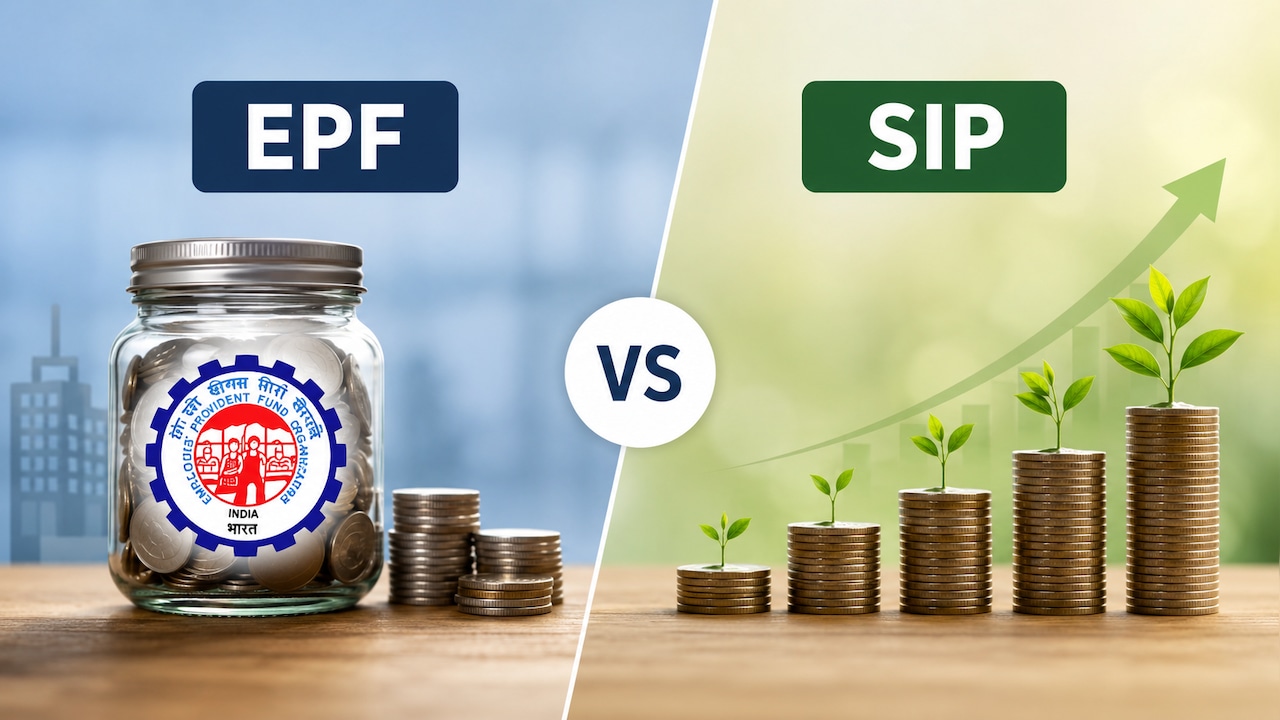
Employees' Provident Fund (EPF) and Systematic Investment Plans (SIP) are popular tools for building wealth, but they serve different purposes. EPF is a mandatory, government-backed retirement scheme offering tax-free returns and guaranteed safety. In contrast, a SIP allows you to invest in mutual funds, offering higher growth potential but carrying market risk.
For long-term wealth, the key difference lies in flexibility and returns. EPF locks your money away until retirement, providing stability. A SIP lets you invest regularly, allowing your money to grow by investing in equity markets. Over the long term, equity funds have historically outperformed EPF returns, but this comes with volatility.
Investors should assess their risk appetite and liquidity needs. If safety and tax benefits are priorities, EPF is suitable. For those seeking higher returns and willing to take market risk, a SIP is the better choice. A balanced approach might involve investing in both to secure stability while chasing growth.
Key takeaways
- Category: Stocks.
Why it matters
A routine update. Use the price and stock snapshot to gauge how the market is responding.