Neutral impactEconomy
Equity LTCG tax evolution in India: A timeline of policy shifts since 2003
Business Standard 1 hr ago·2 Nov 2026, 8:19 am

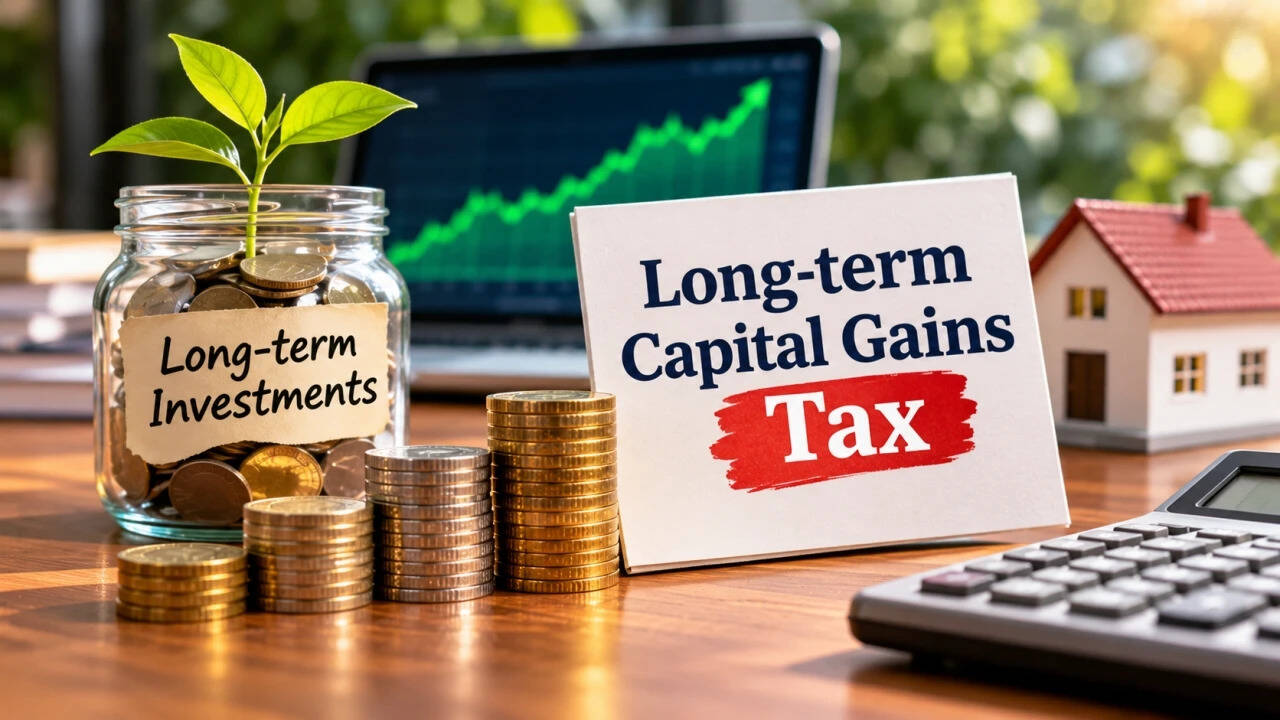
India's long-term capital gains (LTCG) tax on equities has seen several policy shifts since 2003. The tax was initially exempt, but was reintroduced in 2018 at a 10% rate on gains exceeding ₹1 lakh. Recently, there have been renewed calls for reform, including proposals to lower the tax rate or remove the exemption threshold entirely. This ongoing debate highlights the tension between raising government revenue and maintaining investor-friendly policies.
For investors, these changes matter because they directly impact the after-tax returns on equity investments. A lower LTCG tax rate or a higher exemption limit can make equity assets more attractive, potentially boosting market participation. Conversely, a higher tax rate or a lower threshold could reduce the net returns for investors, especially those with long-term portfolios. The current policy is a key factor in the investment decisions of retail and institutional investors alike.
Moving forward, investors should watch for official policy announcements and the government's response to reform proposals. The outcome of these discussions will likely influence market sentiment and investment strategies. While no specific advice can be given, staying informed about these regulatory changes is essential for making sound investment decisions in the Indian equity market.
Key takeaways
- Category: Economy.
- Assessed as a significant, market-relevant update.
Why it matters
A meaningful update worth tracking. Use the price and stock snapshot to gauge how the market is responding.