Positive impactForex
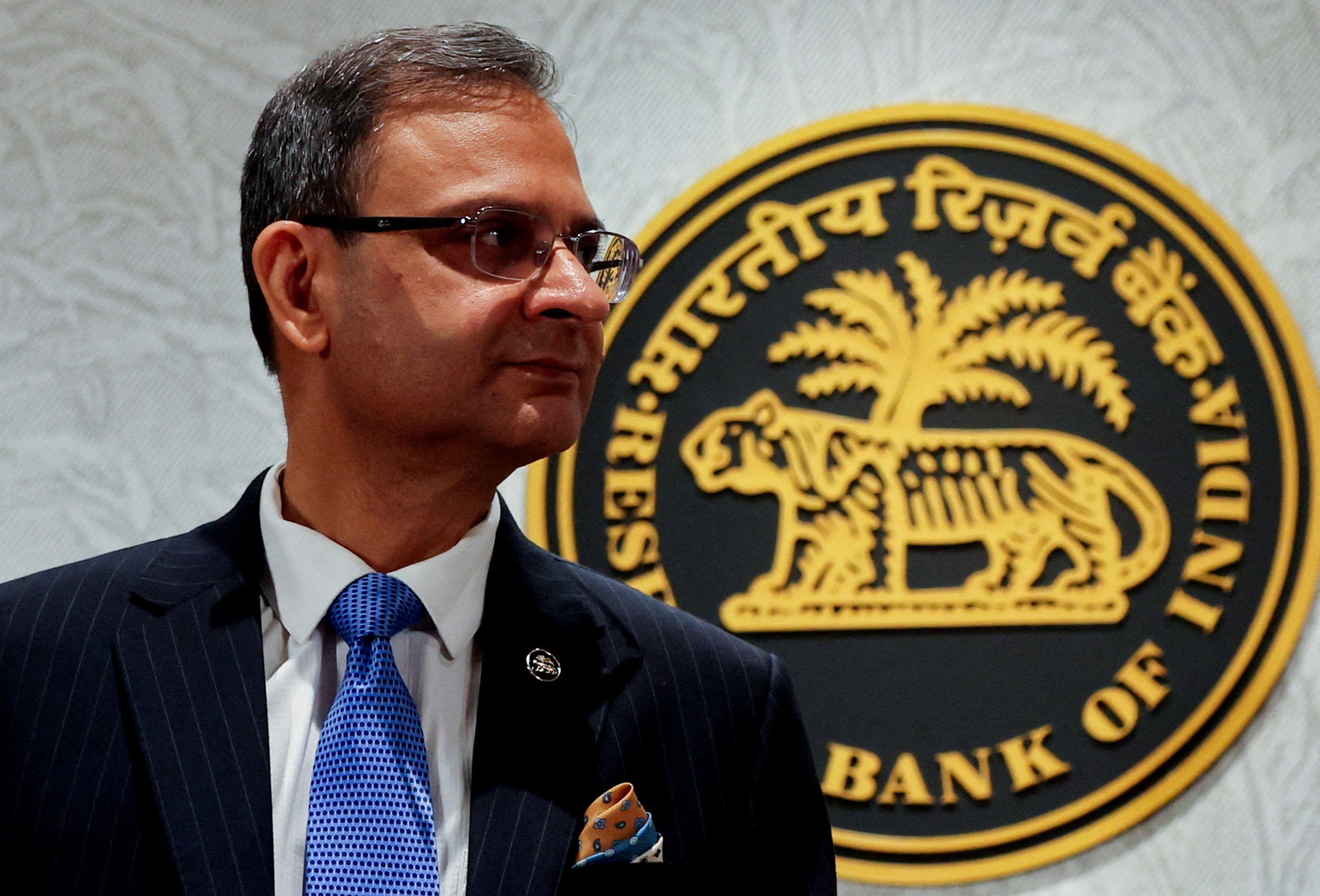
FCNR-B deposits: Economic benefits outweigh hedging costs, says Sanjay Malhotra
Economic Times 1 hr ago·7 Oct 2026, 1:47 pm
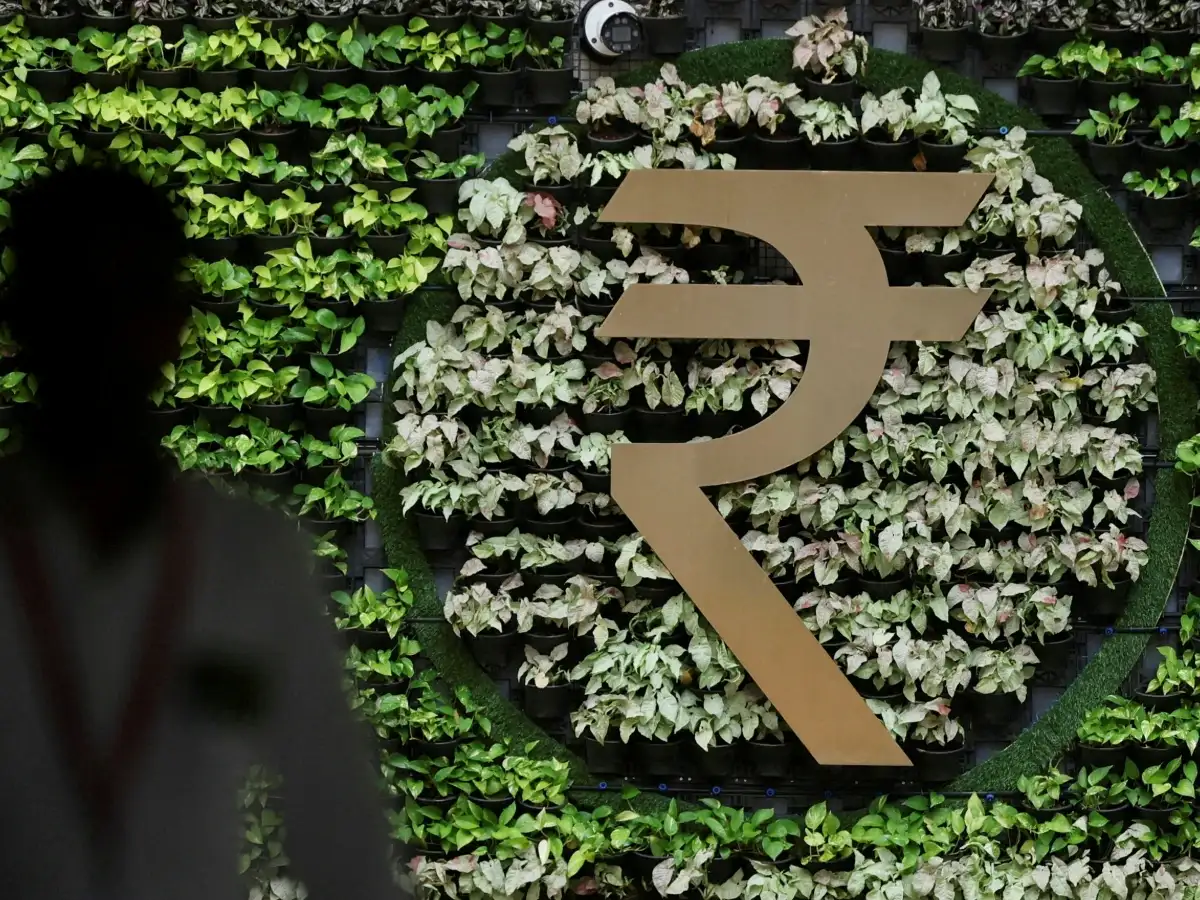
The Reserve Bank of India (RBI) has introduced a special USD-INR swap facility to support the foreign exchange market. This move allows banks to offer higher interest rates on Foreign Currency Non-Resident (Bank) (FCNR-B) deposits. By transferring the cost of currency hedging to the central bank, the RBI aims to make these deposits more attractive to foreign investors.
This policy is significant for investors as it helps bolster India's foreign exchange reserves and improves the country's balance of payments. For retail investors, the primary benefit is the potential for higher returns on these specific deposits. However, the move is a strategic tool for the economy rather than a direct signal for individual stock trading.
Investors should monitor the volume of inflows into these deposits and the overall stability of the rupee. While this facility supports the forex market, it is essential to assess the broader economic context before making any investment decisions.
Key takeaways
- Category: Forex.
- AI reads the tone as positive (potentially bullish) for the stock.
- Assessed as a significant, market-relevant update.
Why it matters
A meaningful update worth tracking. The tone is positive — historically associated with upward pressure, though not predictive. Use the price and stock snapshot to gauge how the market is responding.