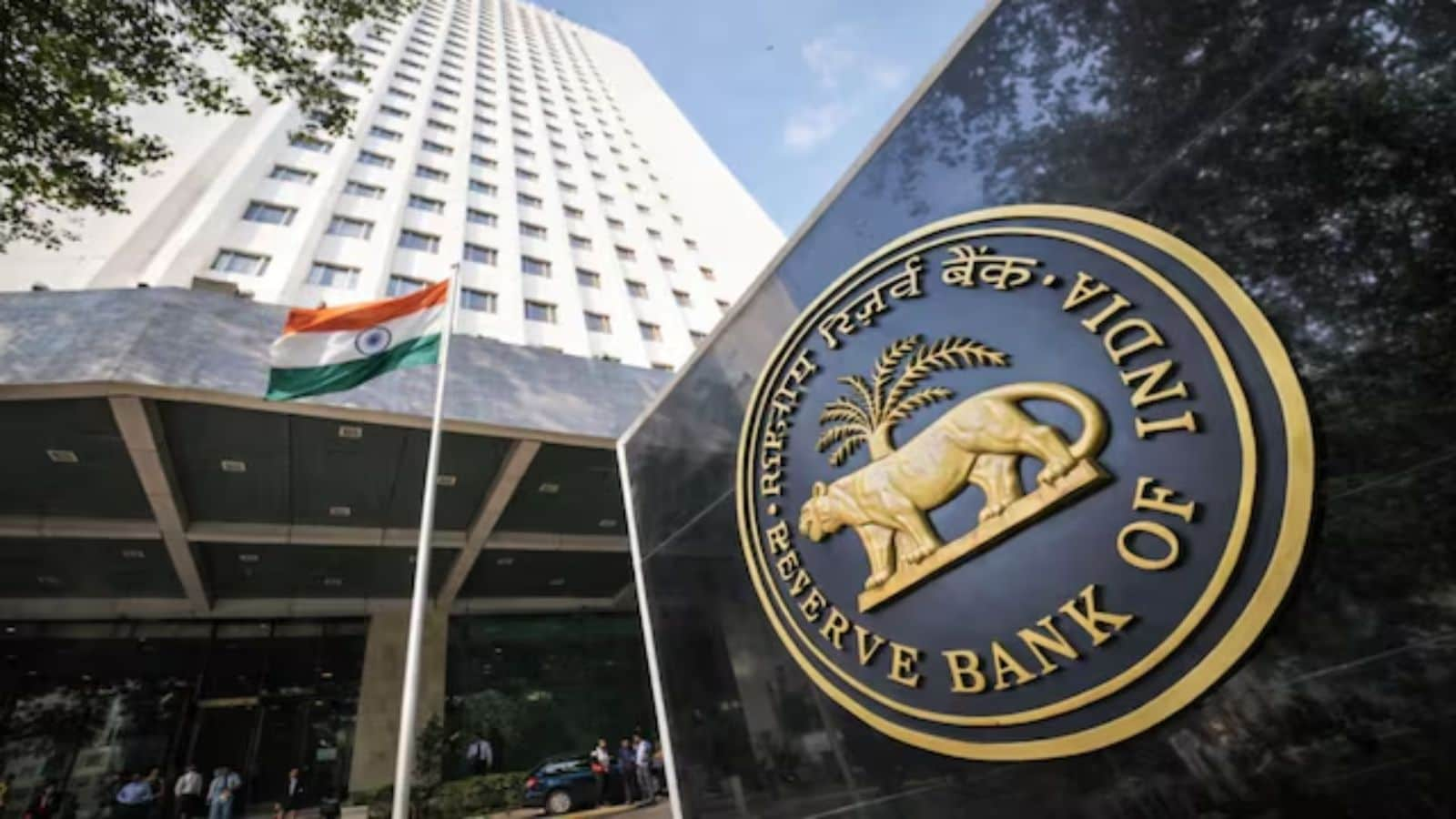
Fed monetary news linked to weaker rupee, higher G-sec yields: RBI study
Business Standard 56 min ago·25 Nov 2026, 2:11 pm

A recent Reserve Bank of India (RBI) study highlights a critical link between global monetary policy and the domestic currency. The research finds that when major central banks, like the US Federal Reserve, tighten their policies, it often leads to a weaker rupee and higher yields on Indian government securities. This happens because foreign investors tend to pull money out of emerging markets to seek safer returns elsewhere, putting downward pressure on the rupee.
For investors, this dynamic can increase the cost of borrowing and make imports more expensive. A weaker rupee can also boost the earnings of export-oriented companies, but it may hurt the value of foreign investments held by Indian investors. This relationship is a key factor for the RBI to consider when managing liquidity and inflation in the Indian economy.
Moving forward, investors should watch the Federal Reserve's upcoming policy decisions closely. Any signals that the US might pause its rate hikes could stabilize the rupee and ease pressure on G-sec yields. Market participants should also monitor the RBI's interventions in the forex market to see how they respond to these global shifts.
Key takeaways
- Category: Economy.
- AI reads the tone as negative (potentially bearish) for the stock.
- Flagged as a high-impact, market-moving story.
Why it matters
This is a high-impact development and could move the stock. The tone is negative — watch for downside reaction. Use the price and stock snapshot to gauge how the market is responding.