Negative impactEconomy
Fed rate hike FAQs: Credit cards, mortgages, car loans, savings explained
Times of India 1 hr ago·17 Sept 2026, 7:53 am
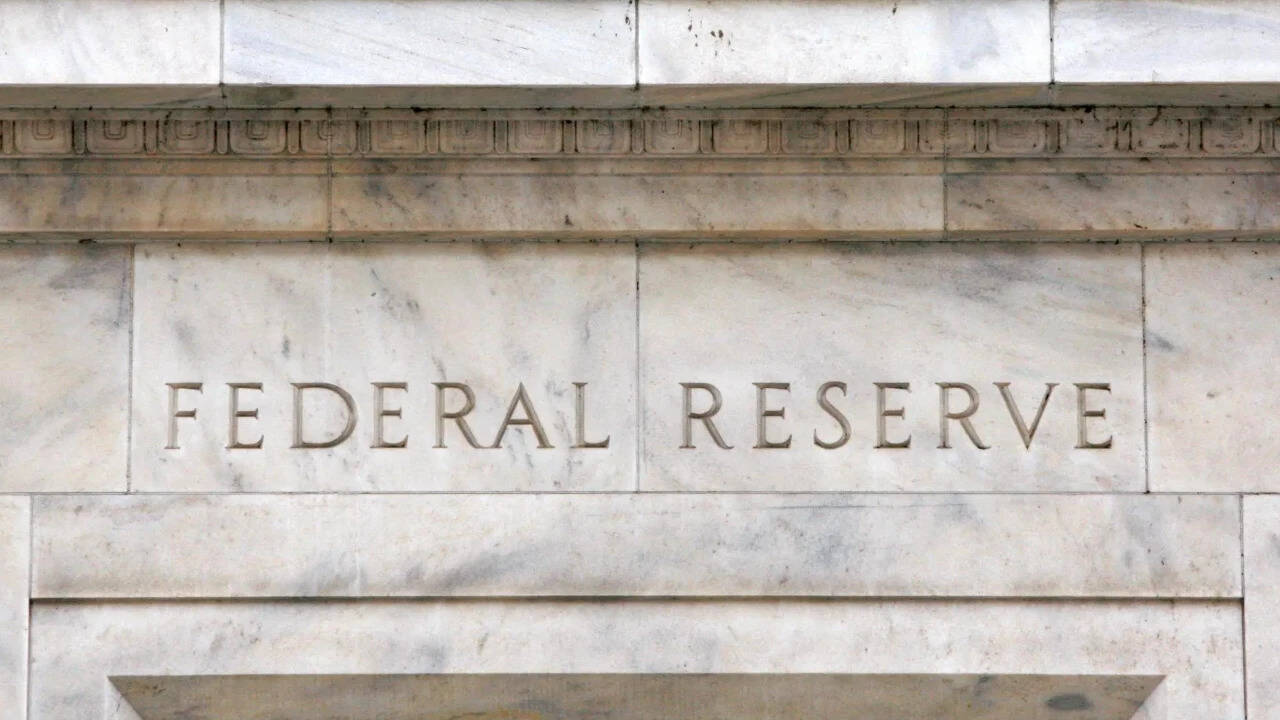
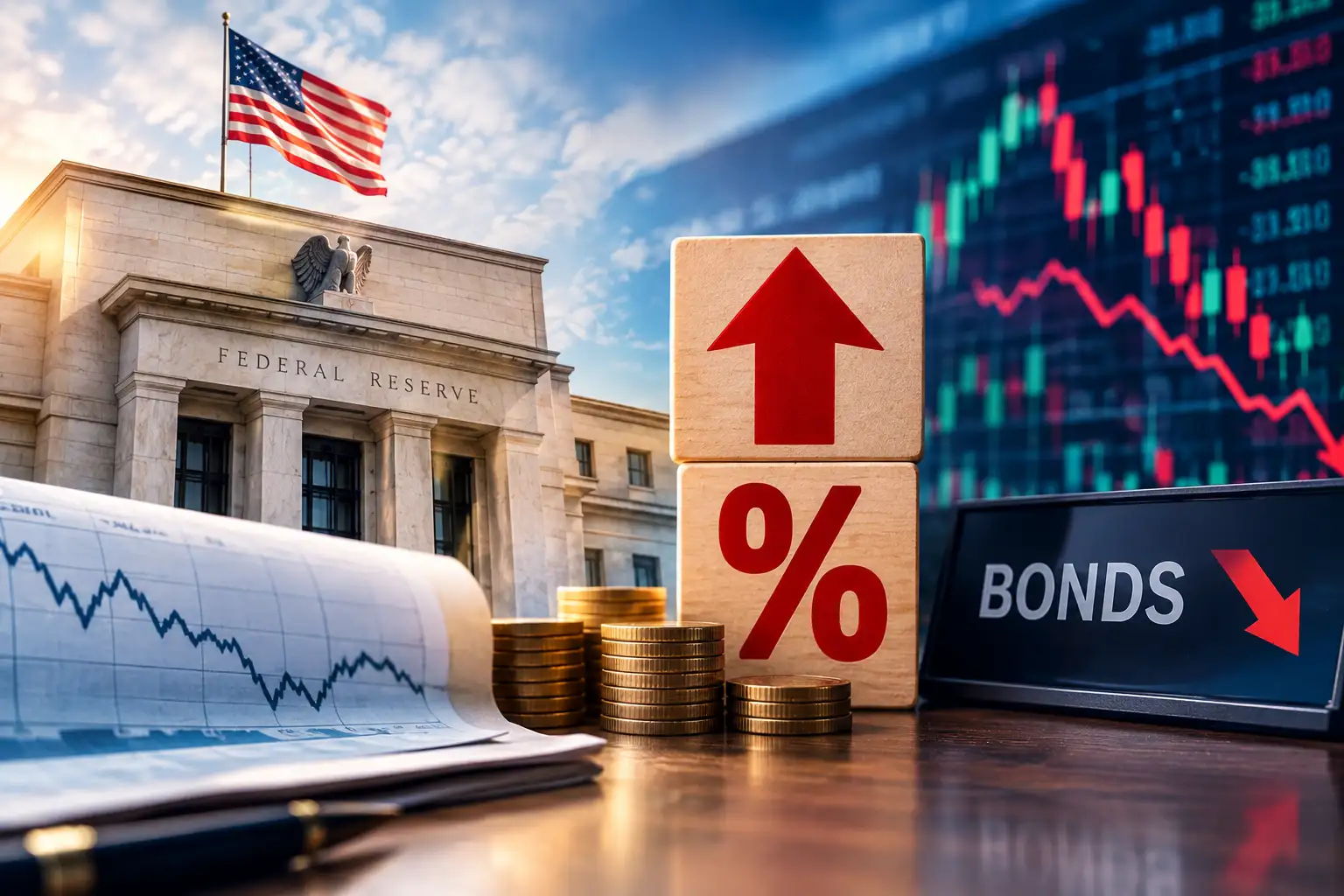
The Federal Reserve has raised its benchmark interest rate, a move aimed at cooling inflation. Higher rates increase the cost of borrowing across the economy and signal tighter monetary policy, which can influence equity valuations and investor sentiment.
For consumers, the hike pushes up interest on credit‑card balances, mortgage loans and auto financing, making monthly payments more expensive. At the same time, banks raise the rates they pay on savings accounts, offering slightly better returns for depositors.
Investors should monitor the Fed’s next policy meeting, upcoming inflation reports, and trends in loan demand. Changes in borrowing costs can affect corporate earnings and sector performance, especially in housing, automotive and consumer‑finance stocks.
Key takeaways
- Category: Economy.
- AI reads the tone as negative (potentially bearish) for the stock.
- Assessed as a significant, market-relevant update.
Why it matters
A meaningful update worth tracking. The tone is negative — watch for downside reaction. Use the price and stock snapshot to gauge how the market is responding.