Fiscal deficit in H1 rises to 42.1% of FY27 target on higher capex, subsidies
Economic Times 1 hr ago·30 Oct 2026, 6:16 pm
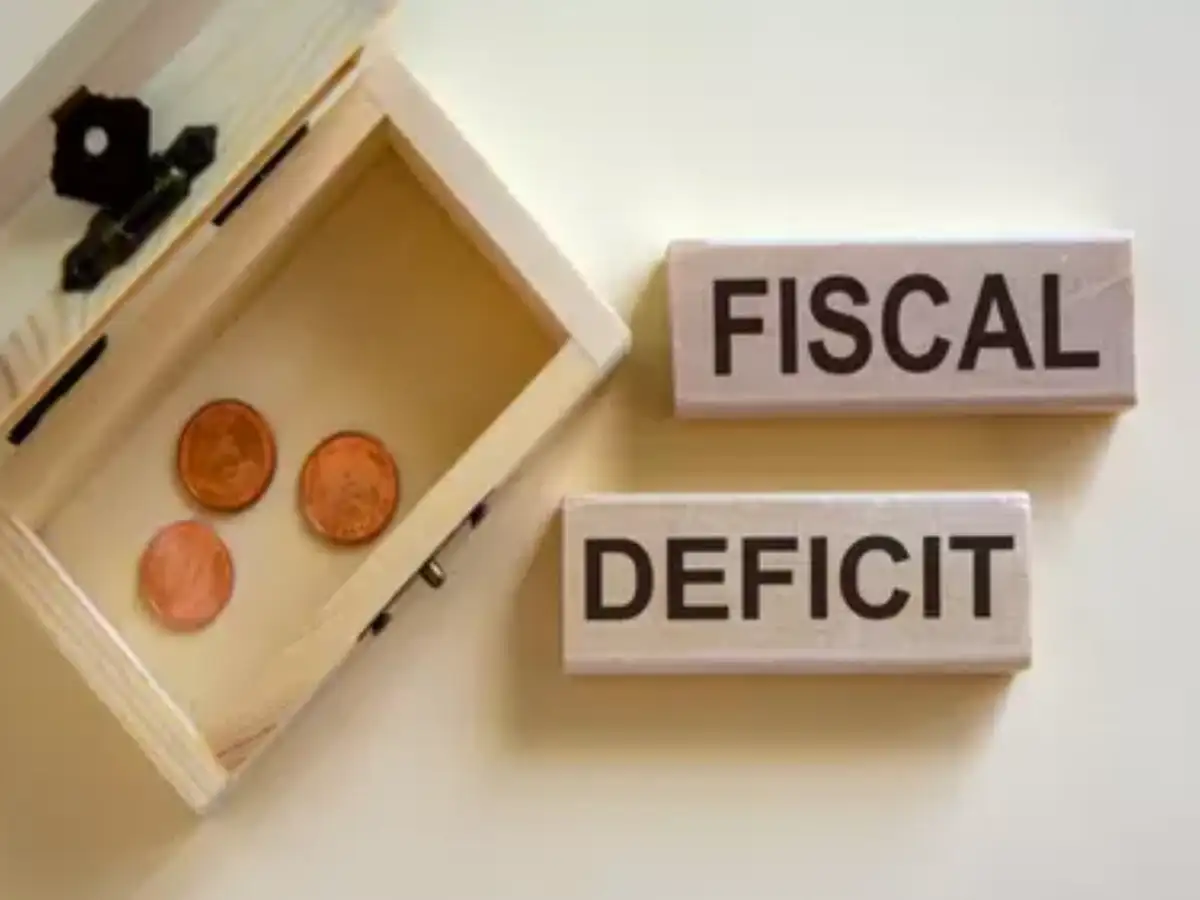
The government's fiscal deficit for the first half of the fiscal year has reached 42.1% of the full-year target, indicating a higher-than-expected spend. This rise is primarily driven by increased capital expenditure on infrastructure and higher food subsidies, which outweighed a drop in petroleum subsidies. Gross tax revenue grew modestly, supported by a 6.1% increase, though this was tempered by lower excise collections due to recent tax reforms.
This development matters to investors as it signals a continued expansion in government spending, which can stimulate economic activity. However, a higher deficit also raises concerns about fiscal sustainability and potential future interest rate hikes. Investors should monitor the government's ability to manage these expenses and the upcoming full-year budget for further clarity on fiscal consolidation.
Excerpt from Economic Times
By September 2026, the Centre's fiscal deficit had escalated to ₹7.14 lakh crore, exceeding last year's figures. This increase is fueled by a 10.7% rise in total expenditure, largely a result of heightened capital spending and food subsidies, while petroleum subsidies sharply declined. Gross tax revenue, however, saw…Read the original at Economic Times
Key takeaways
- Category: Corporate Action.
- AI reads the tone as negative (potentially bearish) for the stock.
- Flagged as a high-impact, market-moving story.
Why it matters
This is a high-impact development and could move the stock. The tone is negative — watch for downside reaction. Use the price and stock snapshot to gauge how the market is responding.