FPIs sell $1.6 billion of Indian stocks in five trading sessions
Economic Times 2 hrs ago·9 Sept 2026, 12:27 am
Foreign Portfolio Investors (FPIs) have sold a significant $1.6 billion worth of Indian equities over the last five trading sessions. This sharp reversal in sentiment follows a period of optimism and is driven by a confluence of factors. Rising crude oil prices are increasing India's import bill, while higher global bond yields are making other assets more attractive. This shift indicates a broader retreat from emerging market growth assets as investors prioritize safety and liquidity.
This trend is significant for retail investors as it signals that foreign money, which has been a major pillar of market support, is now acting as a headwind. The selling pressure is compounded by profit-taking strategies and a global pivot towards high-growth sectors like Artificial Intelligence. While domestic investors are stepping in to provide some support, the net effect of these external pressures could dampen overall market returns in the near term.
Investors should watch the trend in global bond yields and crude oil prices closely. If these external factors stabilize, the selling pressure may ease. However, if global yields continue to climb or oil prices remain volatile, the market could face further headwinds. Keeping an eye on the pace of domestic buying will also be crucial to gauge the market's ability to absorb these external shocks.
Excerpt from Economic Times
After a brief period of optimism, foreign investors are retreating from Indian stocks as rising crude oil prices and escalating global bond yields shift market dynamics. This change reflects a waning interest in emerging market growth assets, compounded by profit-taking strategies and a pivot towards AI investments.…Read the original at Economic Times
Key takeaways
- Category: Economy.
- AI reads the tone as negative (potentially bearish) for the stock.
- Flagged as a high-impact, market-moving story.
Why it matters
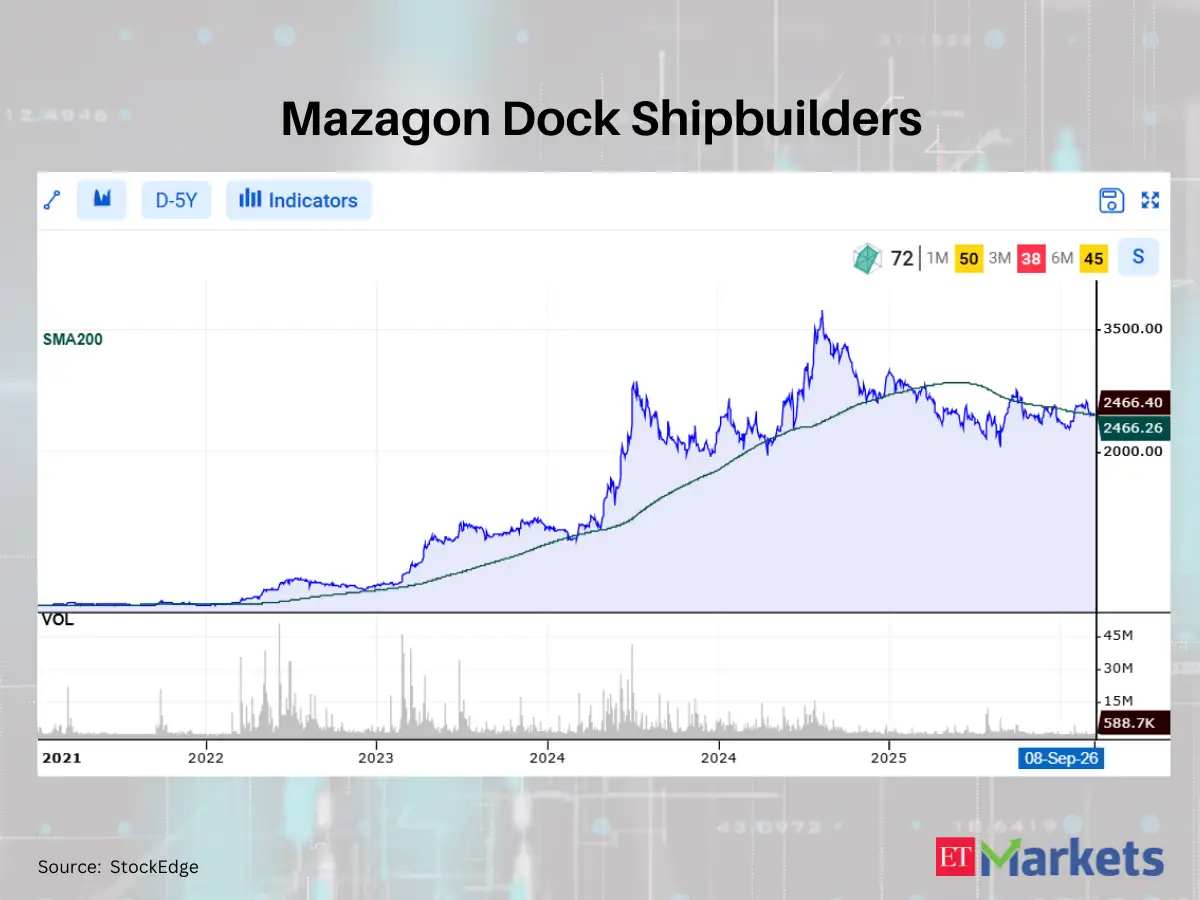
This is a high-impact development and could move the stock. The tone is negative — watch for downside reaction. Use the price and stock snapshot to gauge how the market is responding.