Negative impactEconomy
Gig workers may get social security benefits through 2% transaction levy on businesses
Economic Times 1 hr ago·4 Nov 2026, 4:24 am
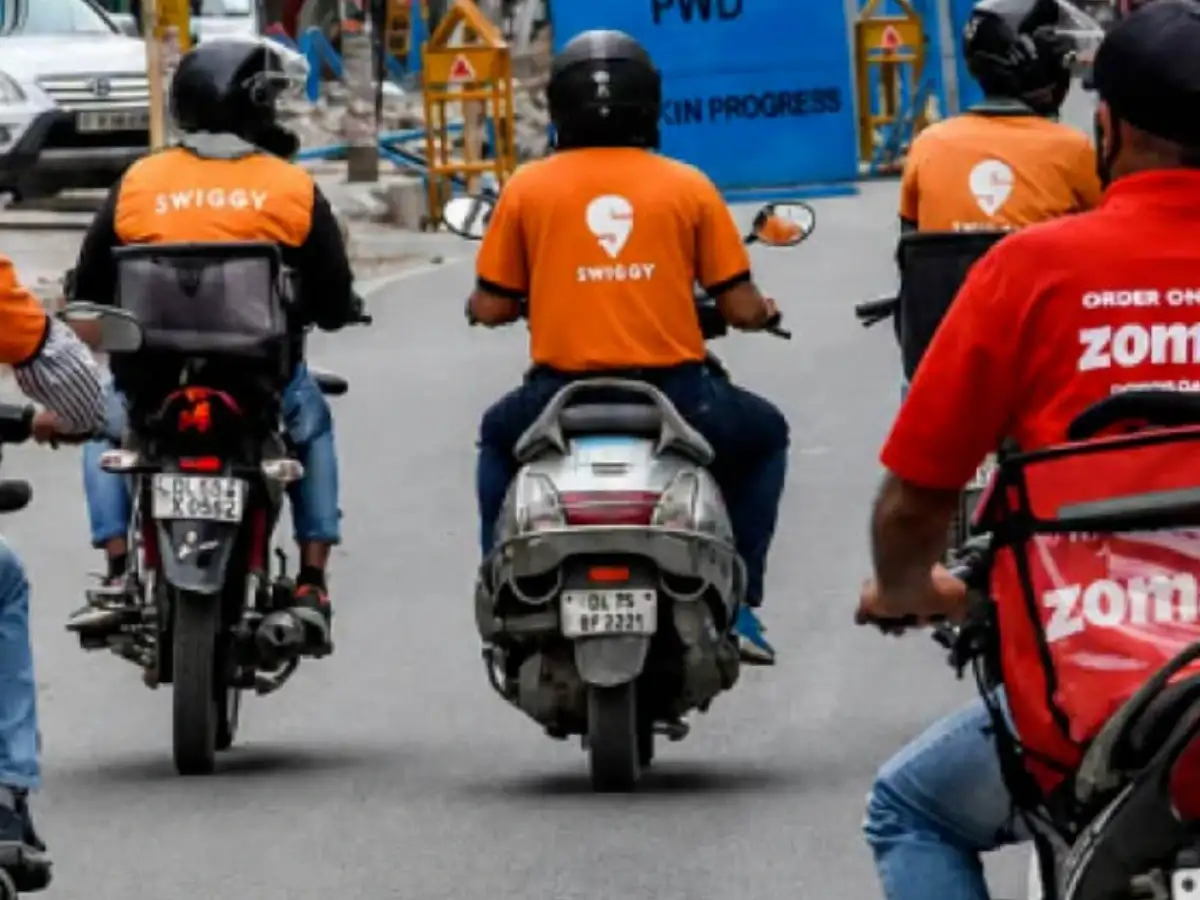
The government is reportedly exploring a new financial mechanism to support India's growing gig economy. The proposal involves imposing a 2% transaction levy on digital aggregators, such as ride-hailing and food delivery platforms. The collected funds would be pooled to provide social security benefits, including health insurance, maternity support, and other welfare schemes for gig workers.
This move is significant as it aims to formalize a workforce that currently operates largely outside traditional labor laws. By creating a dedicated fund, the government hopes to ensure long-term financial stability and social protection for millions of informal workers.
Investors should monitor the government's timeline for this policy. If implemented, the levy could increase operational costs for aggregators, potentially impacting their profitability. However, it may also drive greater regulatory compliance and stability in the sector in the long run.
Excerpt from Economic Times
The government is considering implementing a 2% transaction-based levy on aggregators to support social security for gig workers. This levy will fund benefits such as insurance, health, and maternity support for over 12 million workers. There is a consensus that this approach ensures fairness among different types of…Read the original at Economic Times
Key takeaways
- Category: Economy.
- AI reads the tone as negative (potentially bearish) for the stock.
- Assessed as a significant, market-relevant update.
Why it matters
A meaningful update worth tracking. The tone is negative — watch for downside reaction. Use the price and stock snapshot to gauge how the market is responding.