Negative impactCommodity
Gold prices ease as Middle East tensions fuel rate hike concerns
Times of India 2 hrs ago·9 Sept 2026, 2:53 am
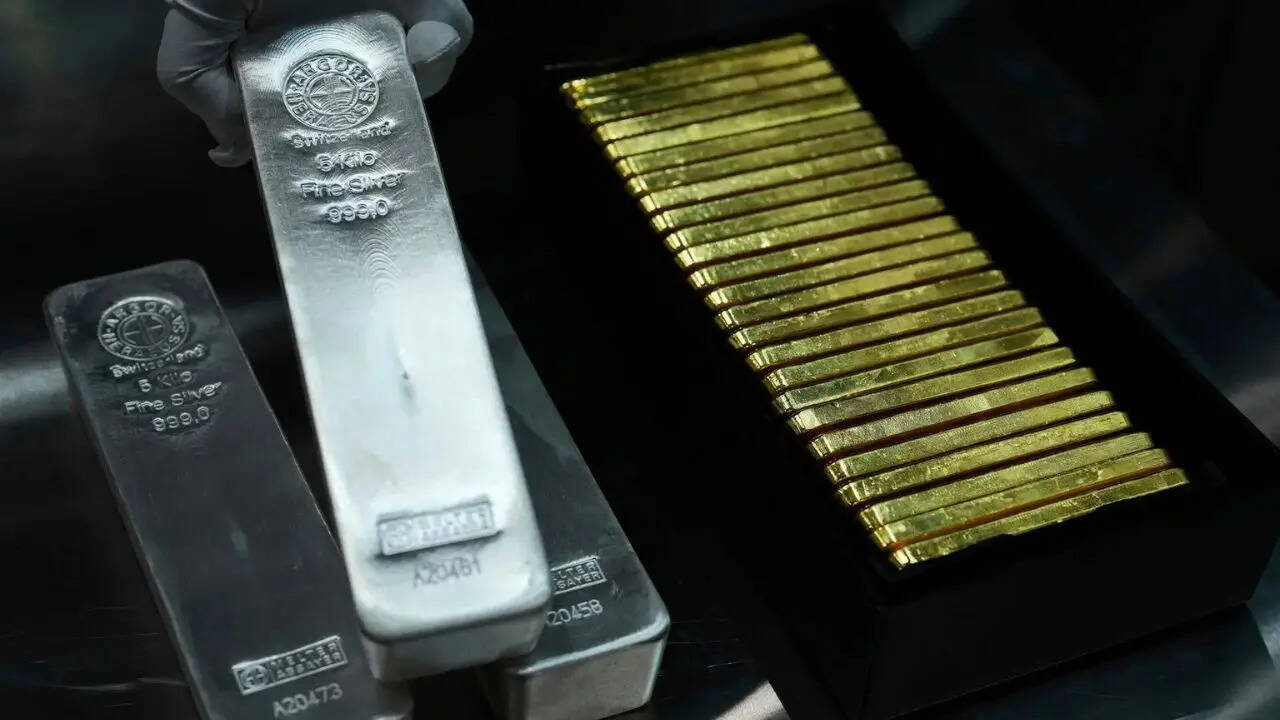
Gold prices have recently declined, a shift driven by a complex mix of geopolitical and economic factors. While Middle East tensions typically support gold as a safe-haven asset, they have simultaneously sparked fears that central banks may need to raise interest rates to combat inflation. Higher interest rates generally reduce the appeal of non-yielding assets like gold.
For investors, this development highlights the delicate balance between safety and yield. While gold is traditionally viewed as a hedge against uncertainty, its performance is heavily influenced by monetary policy. A shift in interest rate expectations can quickly alter the investment thesis for the precious metal.
Investors should monitor upcoming central bank meetings and inflation data closely. These indicators will be crucial in determining whether the current dip in gold prices is a temporary correction or the start of a longer-term trend. Keeping an eye on global conflict developments will also remain essential for gauging market sentiment.
Key takeaways
- Category: Commodity.
- AI reads the tone as negative (potentially bearish) for the stock.
- Assessed as a significant, market-relevant update.
Why it matters
A meaningful update worth tracking. The tone is negative — watch for downside reaction. Use the price and stock snapshot to gauge how the market is responding.