Goyal at G20: India opposes making MFN conditional on WTO obligations
Economic Times 59 min ago·2 Oct 2026, 4:09 pm
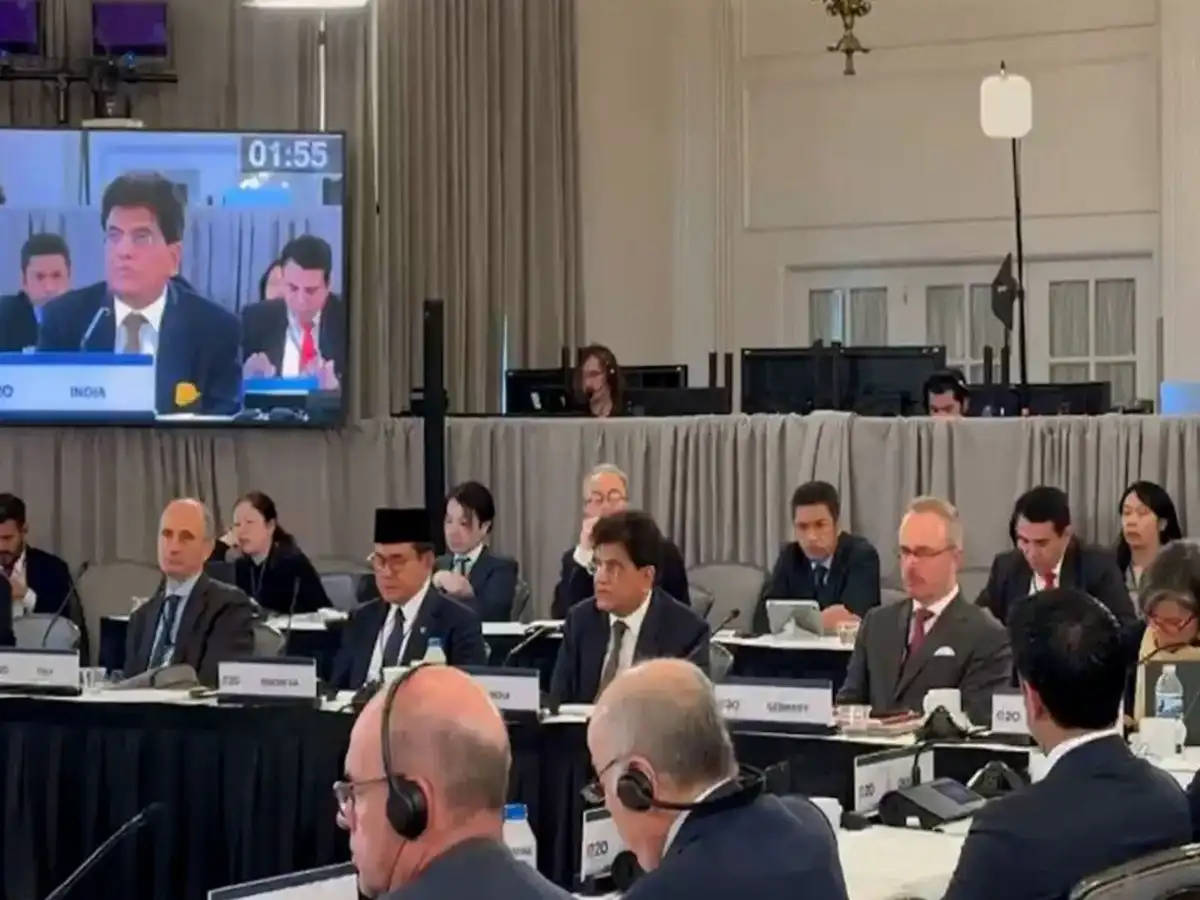
Union Minister Piyush Goyal represented India at the G20 Trade Ministers’ meeting, where he warned against making the Most‑Favoured‑Nation (MFN) status conditional on compliance with WTO obligations. He reiterated that equal trading terms are vital for both large and small traders and stressed India’s commitment to address trade distortions within WTO rules while preserving policy space for developing economies.
The stance matters because MFN status influences tariff levels and market access for Indian goods abroad. If the G20 moves toward tighter conditionality, Indian exporters could face higher duties or new compliance costs, while import‑dependent sectors might see price pressures. Investors watch for any shift in trade policy that could affect corporate earnings across the broader market.
Going forward, market participants should keep an eye on WTO negotiations, any formal proposals emerging from the G20, and reactions from key trading partners. Updates on forced‑labour provisions and related supply‑chain regulations could also shape sentiment in export‑oriented industries.
Excerpt from Economic Times
Union Minister Piyush Goyal represented India at the G20 Trade Ministers' Meeting, emphasizing the importance of the Most-Favoured-Nation principle. He stated that equal trading terms are essential for both large and small traders. Goyal expressed India's commitment to addressing trade distortions through…Read the original at Economic Times
Key takeaways
- Category: Economy.
- Flagged as a high-impact, market-moving story.
Why it matters
This is a high-impact development and could move the stock. Use the price and stock snapshot to gauge how the market is responding.