Negative impactCompany
GQG on a Selling Spree in India. Cuts Stakes in 5 Adani Group Stocks
Economic Times 1 hr ago·15 Oct 2026, 7:49 am
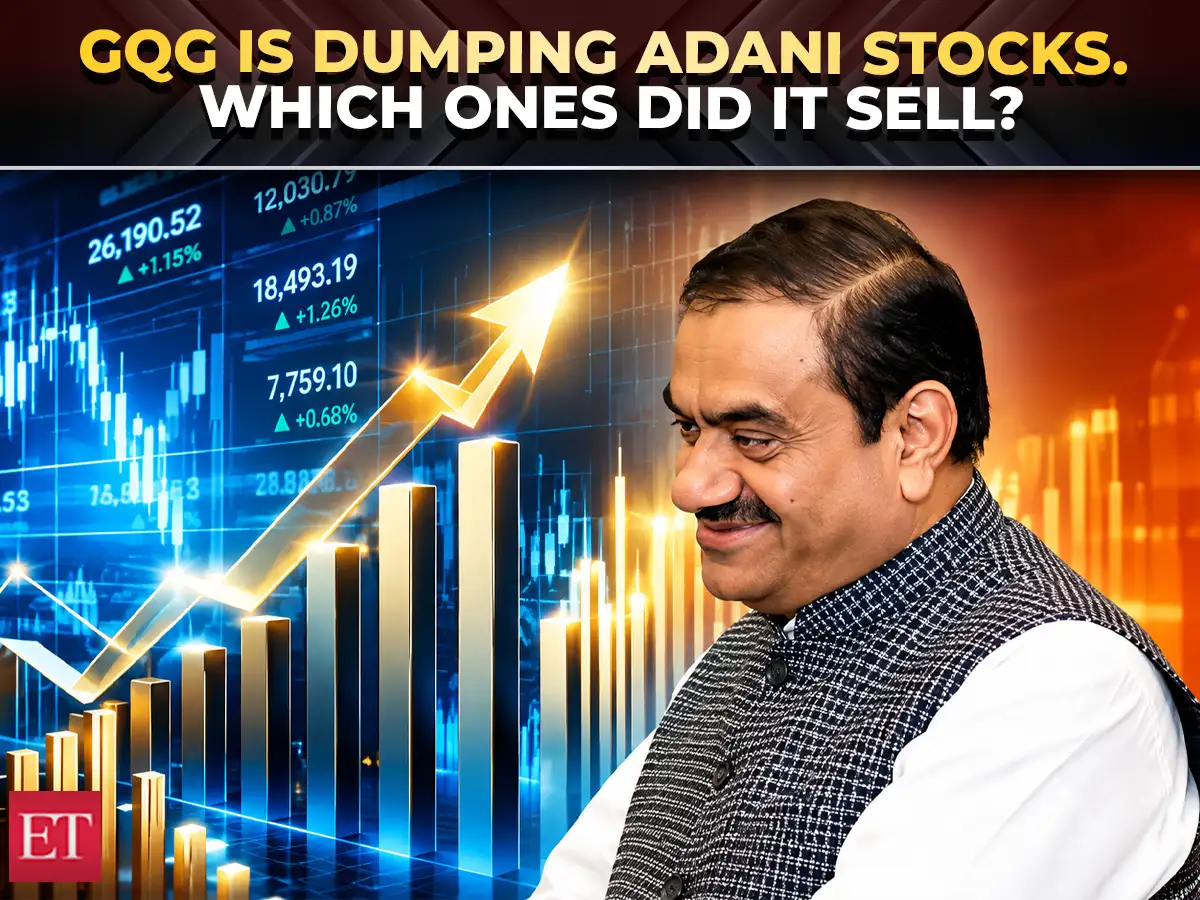
Global investment firm GQG Partners has sold stakes in five listed Adani Group companies, marking a significant shift in the portfolio of its Indian-focused fund. The firm sold shares in Adani Enterprises, Adani Ports, Adani Energy, Adani Total Gas, and Adani Green Energy. This move comes after a similar stake sale in March, indicating a broader strategic reallocation of capital away from the conglomerate.
This development is crucial for investors as it highlights the evolving risk perception surrounding the Adani Group following the allegations made by Hindenburg Research. For the broader market, it signals that foreign institutional investors are closely monitoring governance and regulatory developments in the sector. While the sales reduce the foreign ownership in these stocks, the long-term impact will depend on the group's ability to address these concerns and maintain its operational momentum.
Investors should watch for further commentary from GQG regarding the reasons behind these sales and any potential future moves. It is also important to monitor the overall liquidity and sentiment in the large-cap space, as such portfolio rebalancing by major global funds can create short-term volatility. Keeping an eye on the group's future corporate actions and regulatory compliance will be key for assessing the stock's trajectory.
Excerpt from Economic Times
08:19 Indian families keep just 14% abroad, global peers 30-40%: Prithipal Singh on going global Views: 55 05:06 AI: A Boon or a threat for future? Atul Suri | Ravi Dharamshi | Alpha Wealth Summit 2.0 Views: 57 03:59 Rupee makes stunning comeback: What is RBI’s 4-step plan? Views: 596 08:09 Information, Speed or Smart…Read the original at Economic Times
Key takeaways
- Category: Company.
- AI reads the tone as negative (potentially bearish) for the stock.
- Assessed as a significant, market-relevant update.
Why it matters
A meaningful update worth tracking. The tone is negative — watch for downside reaction. Use the price and stock snapshot to gauge how the market is responding.