Neutral impactEconomy
Have Rs 10 Lakh In Your EPF? Should You Withdraw It Or Let It Compound For Retirement?
NDTV Profit 3 hrs ago·7 Sept 2026, 1:30 am
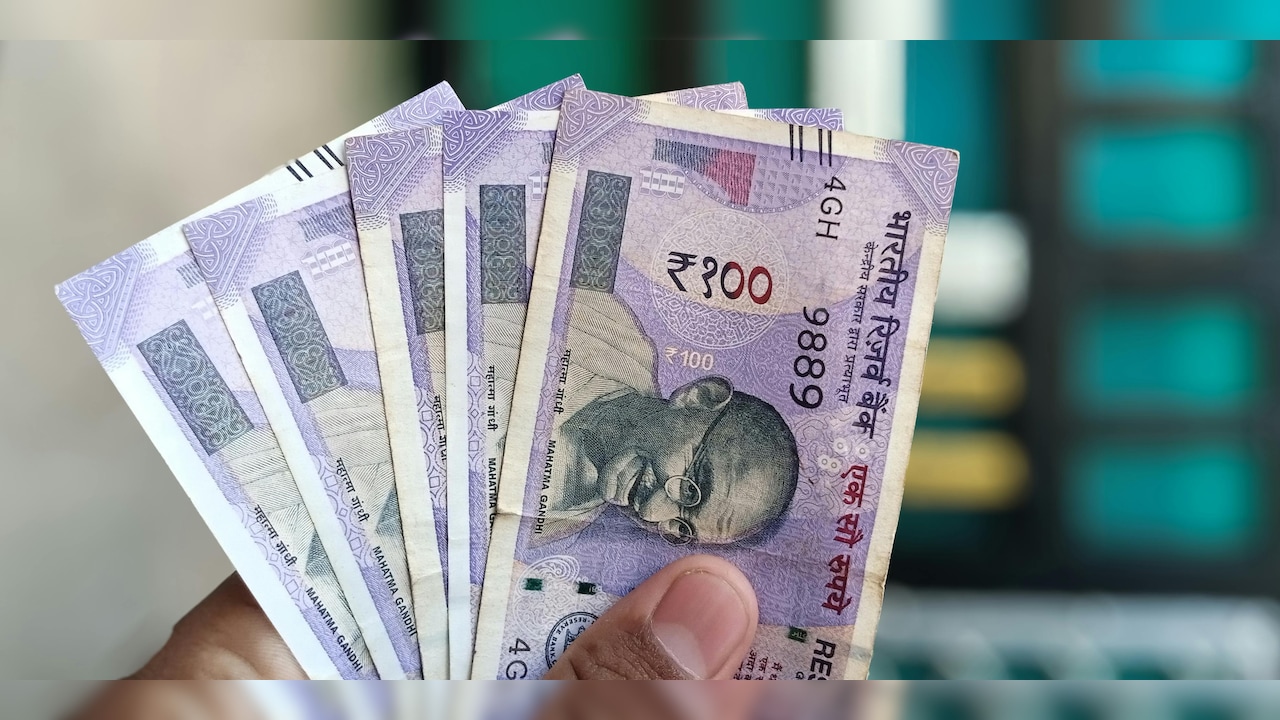
The Employees' Provident Fund (EPF) is a cornerstone of retirement savings in India, offering tax-free interest and a government guarantee. While the temptation to withdraw a lump sum, such as Rs 10 lakh, is understandable, doing so can disrupt long-term financial planning. The primary benefit of keeping the money invested is the power of compounding, where interest earns interest over time, significantly boosting the corpus by the time of retirement.
For investors, the decision to withdraw or stay invested depends on individual liquidity needs and financial goals. If the funds are required for an emergency or a specific life goal, withdrawing may be necessary. However, for those with a long investment horizon, allowing the money to remain in the EPF ensures it continues to grow tax-free, providing a more secure financial cushion in the future.
Moving forward, investors should evaluate their overall financial portfolio. If the EPF is part of a diversified strategy, maintaining the balance is crucial. Monitoring interest rate trends and understanding the withdrawal rules, including the impact on pension benefits, will help in making an informed decision that aligns with long-term wealth creation.
Key takeaways
- Category: Economy.
Why it matters
A routine update. Use the price and stock snapshot to gauge how the market is responding.