

Negative impactCompany
Here's why Goldman Sachs downgraded Westlife Foodworld to 'Sell'; check target
CNBC-TV18 8 hrs ago·23 Nov 2026, 5:36 am
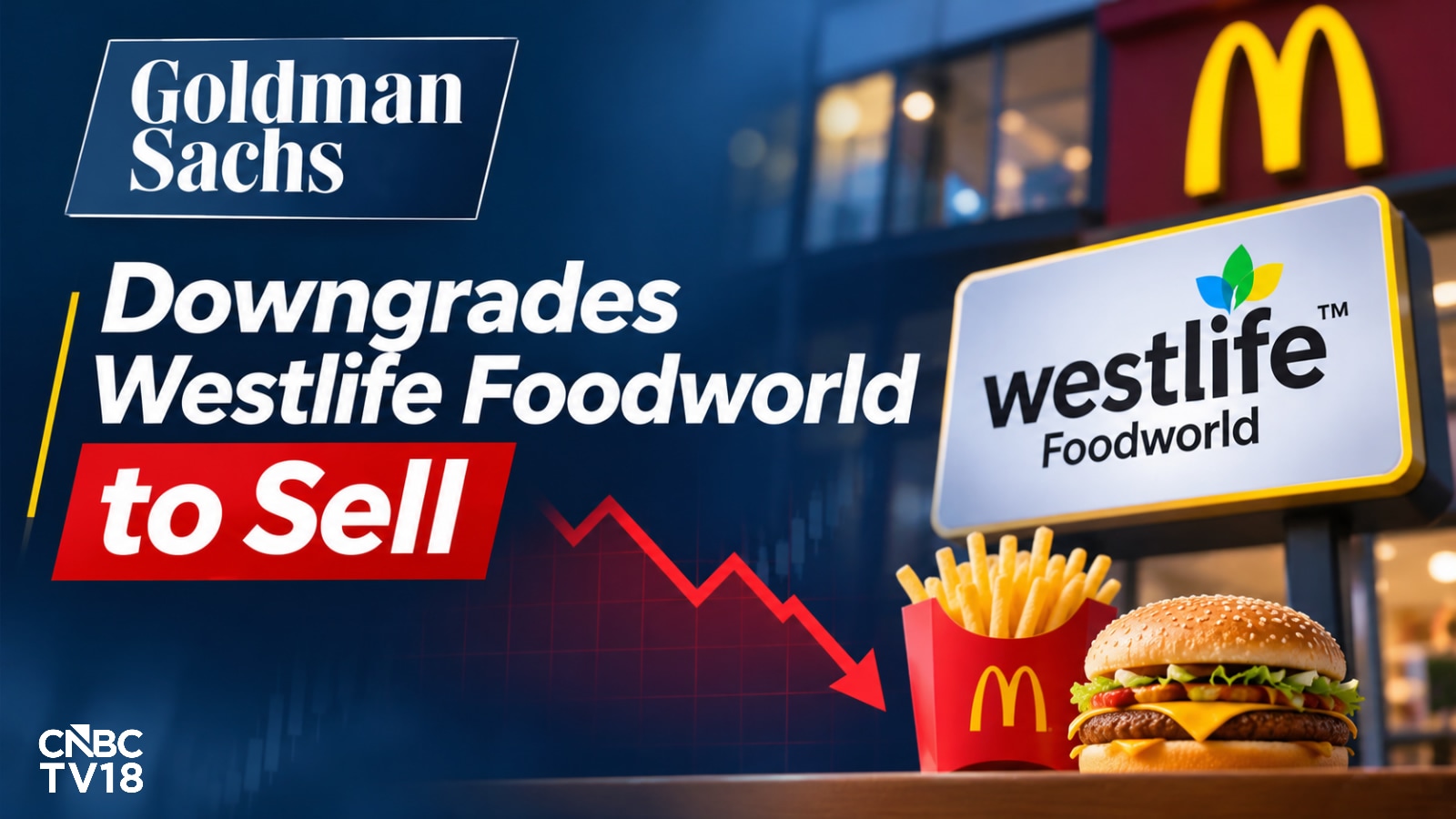
Goldman Sachs has downgraded Westlife Foodworld to 'Sell', marking a significant shift in the brokerage's outlook for the company. This move comes despite the broader analyst community remaining largely positive, with a majority of other firms maintaining 'Buy' or 'Hold' ratings on the stock. The downgrade suggests that Goldman Sachs sees specific risks or valuation concerns that other analysts have not yet factored into their models.
For investors, this divergence in opinion highlights the complexity of evaluating the food retail sector. While the overall market sentiment remains optimistic, the downgrade serves as a reminder to scrutinize individual company fundamentals and growth prospects carefully. It also signals that the stock may be trading at a premium that some experts believe is not fully justified.
Investors should pay close attention to the company's upcoming quarterly earnings and any commentary regarding its expansion plans. A clear explanation from management regarding how they plan to address the concerns raised by Goldman Sachs will be crucial in determining the stock's future direction. Monitoring the gap between the current stock price and the consensus price target will also provide insight into market expectations.
Excerpt from CNBC-TV18
Published On Nov 23, 2026 | 11:06 IST Last Updated On Nov 23, 2026 | 11:13 IST Of the 25 analysts covering the stock, 16 have a "Buy" rating, five have a "Hold" rating, and four have a "Sell" rating. The consensus estimates of price targets implies a downside potential of 4.5% from current levels. Shares of Westlife…Read the original at CNBC-TV18
Affected stocks
Bearish1 stockBull / bear label is derived from the article's AI sentiment — indicative, not advice. Prices may be delayed.
Key takeaways
- Concerns Westlife Foodworld (WESTLIFE).
- Category: Company.
- AI reads the tone as negative (potentially bearish) for the stock.
Why it matters
A routine update for Westlife Foodworld. The tone is negative — watch for downside reaction. Use the price and stock snapshot to gauge how the market is responding.

