Neutral impactEconomy
How Did China Build The World's Factory? One City's $500 Million Gamble Offers A Clue
NDTV Profit 2 hrs ago·18 Oct 2026, 8:32 am
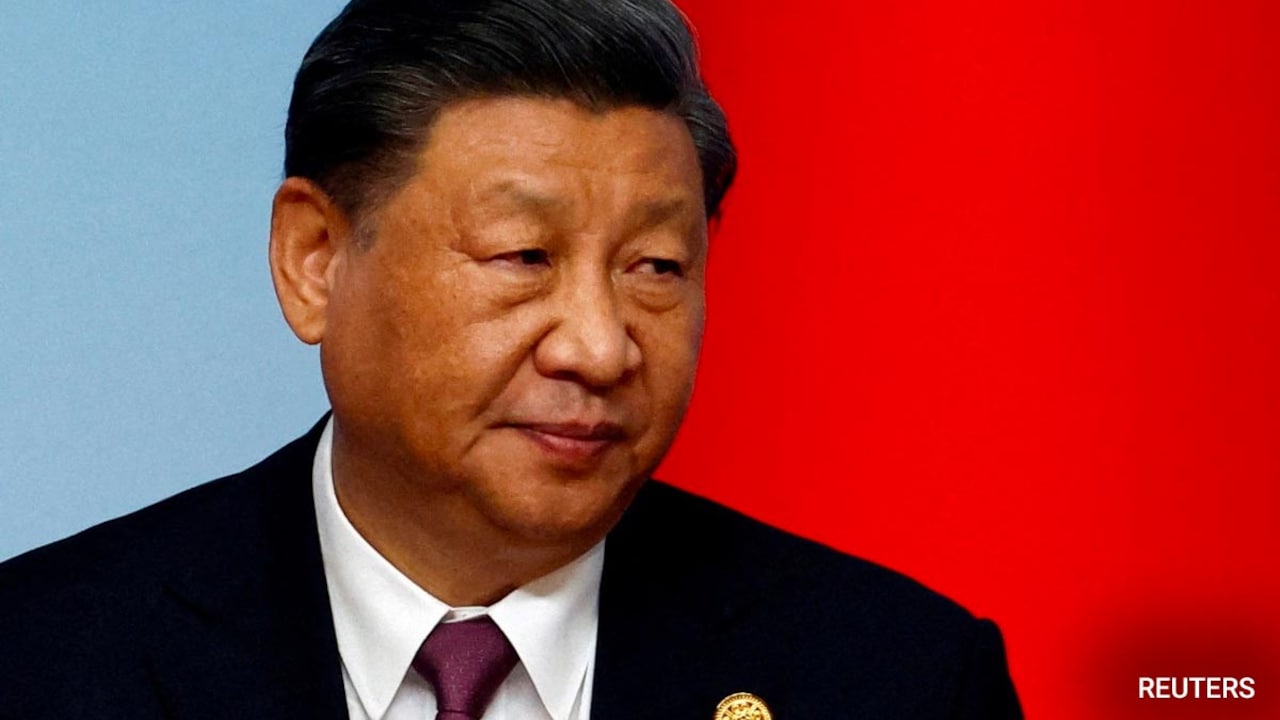
China's rise as the global manufacturing hub is often attributed to a massive, coordinated state-led strategy. While the entire country played a role, a specific city's bold gamble offers a clear blueprint. By investing over $500 million in infrastructure and incentives, local officials aimed to attract foreign capital and skilled labor. This focused approach allowed the region to become a specialized production center, proving that targeted government support can rapidly transform an economy.
This development matters to investors because it highlights the power of government policy in shaping global supply chains. It suggests that successful manufacturing hubs are built on a foundation of infrastructure and strategic planning. For investors, this underscores the importance of monitoring policy shifts and infrastructure spending as key indicators of economic growth and industrial potential in emerging markets.
What to watch next is how other nations might replicate this model. If other governments begin to aggressively invest in their own industrial zones, it could lead to a new wave of global manufacturing competition. Investors should also look for signs of increased foreign direct investment and the growth of supporting industries, such as logistics and technology, in these developing hubs.
Key takeaways
- Category: Economy.
Why it matters
A routine update. Use the price and stock snapshot to gauge how the market is responding.