Negative impactEconomy
How One CEO's Exit And Return Sent Wall Street's Fear Gauge On A Wild Ride
NDTV Profit 5 hrs ago·29 Nov 2026, 1:30 pm

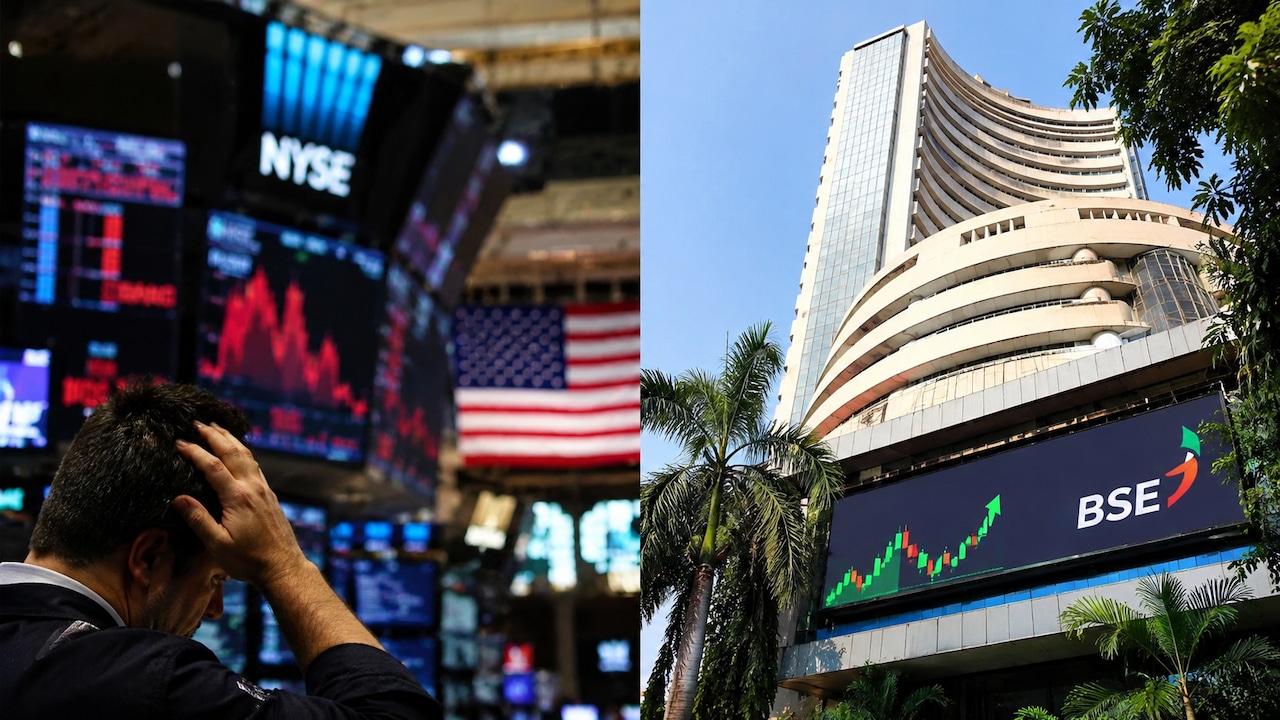
The CBOE Volatility Index, commonly known as the VIX, often called Wall Street's 'fear gauge,' recently experienced a sharp spike. This surge was triggered by the sudden departure and subsequent return of a prominent chief executive officer at a major company. The initial news of the executive's exit spooked investors, causing a rapid increase in volatility. However, the stock's subsequent rebound as the CEO returned calmed the market, illustrating how leadership changes can create significant short-term uncertainty.
This event highlights a critical dynamic for investors: the market often reacts emotionally to high-profile leadership news. While the VIX is a broad measure of market sentiment, it serves as a useful barometer for the risk appetite of investors. A spike in volatility typically suggests that investors are becoming more cautious, often moving money into safer assets like bonds or cash. Understanding these fluctuations helps investors gauge the overall mood of the market during turbulent times.
Moving forward, investors should monitor how the company stabilizes under its new leadership and whether the market's confidence returns. Broader market volatility can also be influenced by global economic data and central bank policies. Keeping an eye on the VIX and the factors driving it can provide valuable context for navigating market swings and making informed investment decisions.
Key takeaways
- Category: Economy.
- AI reads the tone as negative (potentially bearish) for the stock.
- Assessed as a significant, market-relevant update.
Why it matters
A meaningful update worth tracking. The tone is negative — watch for downside reaction. Use the price and stock snapshot to gauge how the market is responding.