Negative impactStocks
How traders allegedly gamed CAS
Finshots 6 hrs ago·21 Aug 2026, 1:31 am
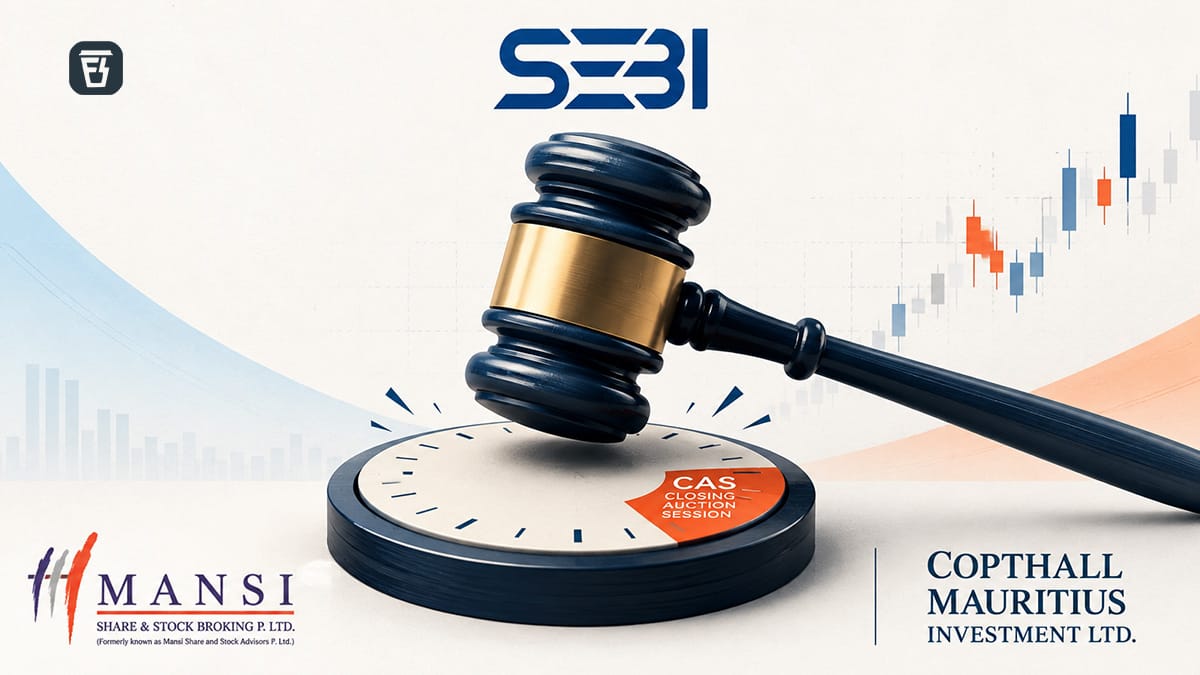
A recent investigation has revealed that some traders may have manipulated the closing price of the Nifty 50 index to trigger automatic sell orders. By placing large buy orders at the very end of the trading session, these individuals pushed the index up, causing computer-driven algorithms to sell off holdings. This artificial surge can artificially inflate the index value, misleading investors about the market's true direction.
This activity is significant because it can distort market sentiment and lead to losses for retail investors relying on automated trading strategies. It highlights the risks of high-frequency trading and the importance of understanding how market mechanics work. Regulators are now closely monitoring these patterns to ensure fair trading practices and market integrity.
Investors should remain cautious and avoid making impulsive decisions based on sudden index movements. It is advisable to focus on long-term fundamentals rather than short-term volatility. Keeping an eye on regulatory actions and market surveillance reports will provide better clarity on the situation.
Excerpt from Finshots
In today’s Finshots, we talk about the downsides of CAS (Closing Auction Session) and explore whether Indian stock markets can keep manipulation at bay. But here’s a quick sidenote before we begin. We’re looking for a Copywriter to join our marketing team. If you’re someone who can turn complex ideas into clear,…Read the original at Finshots
Key takeaways
- Category: Stocks.
- AI reads the tone as negative (potentially bearish) for the stock.
- Assessed as a significant, market-relevant update.
Why it matters
A meaningful update worth tracking. The tone is negative — watch for downside reaction. Use the price and stock snapshot to gauge how the market is responding.