In Graphics: How the cost of Iran war piled up
Economic Times 1 hr ago·2 Oct 2026, 7:53 pm

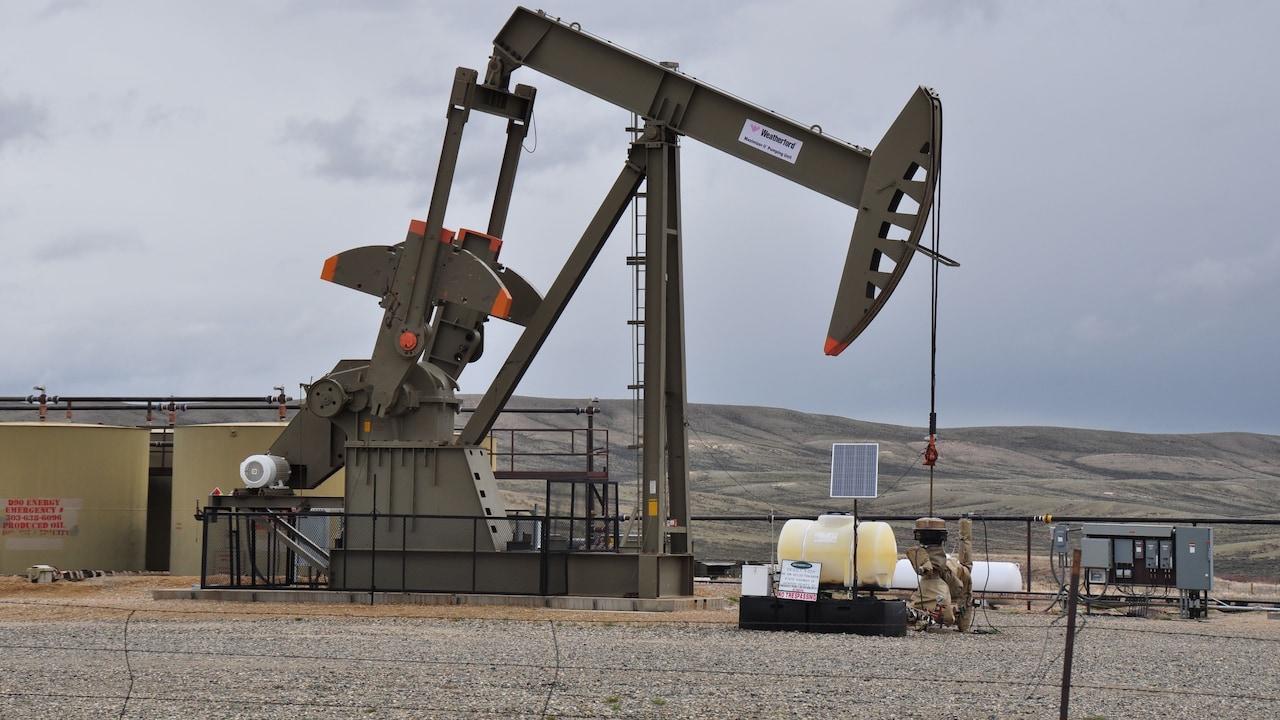
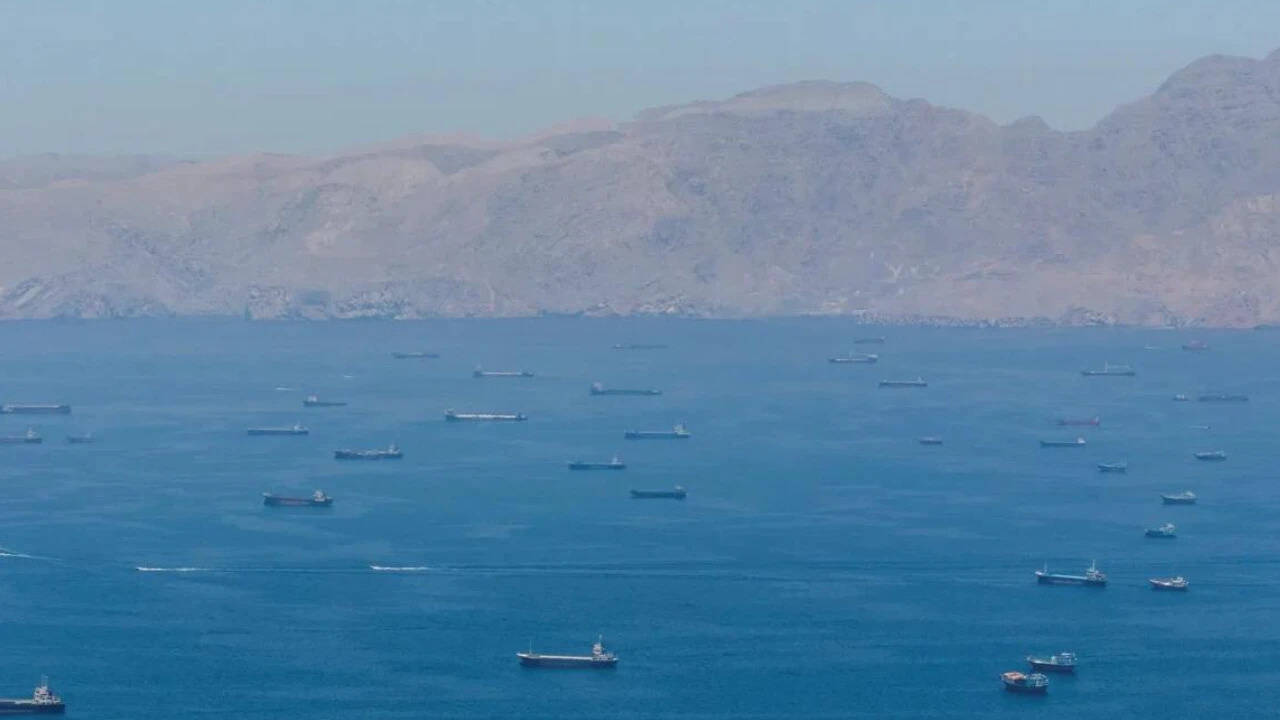
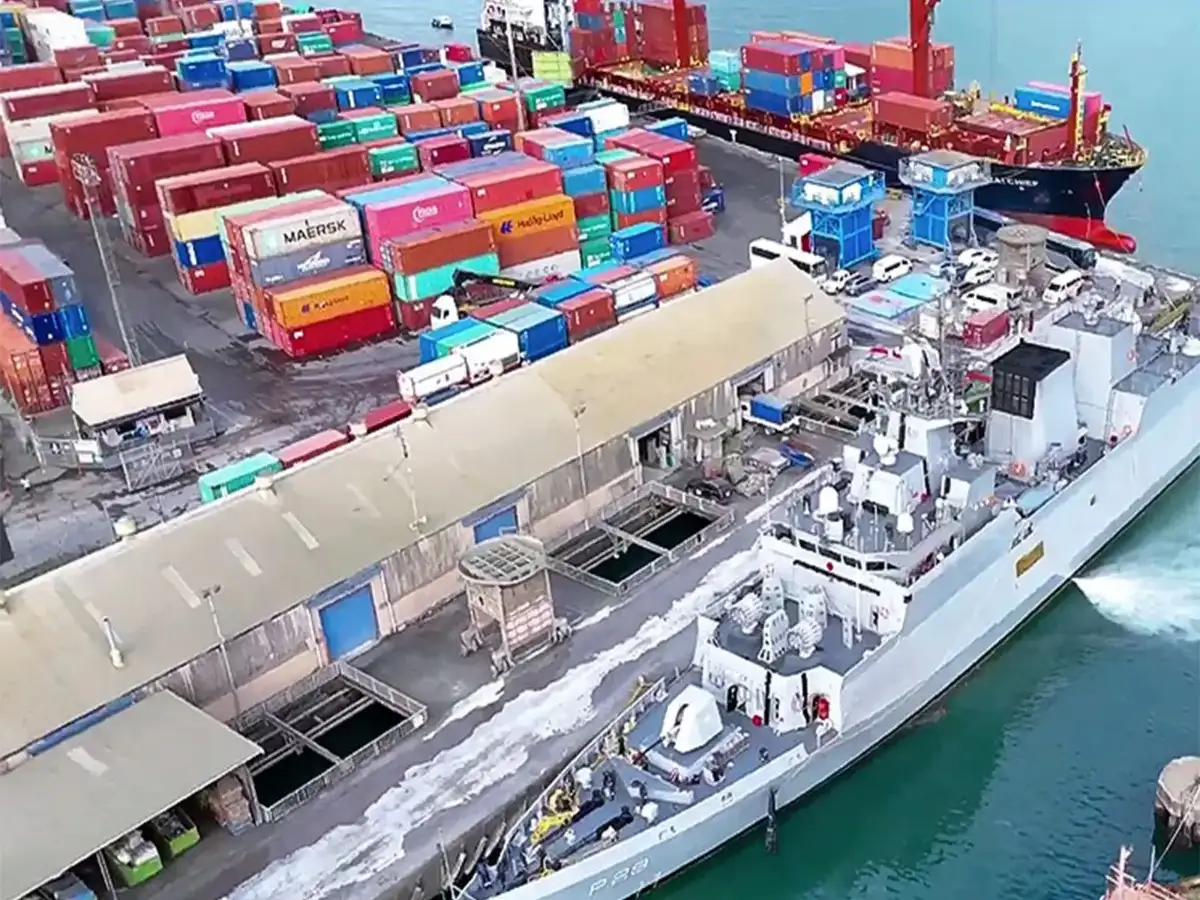
The conflict in Iran has pushed crude oil prices higher, and India’s latest trade data show that the country is now paying more per barrel for the fuel even though the volume imported has fallen. The slowdown in shipments from regional partners reflects the broader disruption to trade routes caused by the war.
For investors, the higher oil bill translates into rising input costs for manufacturers and transport firms, feeding into consumer‑price inflation. At the same time, the government’s larger subsidy outlay to cushion fuel prices adds pressure on the fiscal deficit, which can weigh on sentiment across the broader market.
Going forward, market participants will be watching crude price trends, any diplomatic moves that could ease tensions, and how the finance ministry adjusts subsidies or tax measures. Updates on import volumes and trade flows with neighboring countries will also be key signals for the next few weeks.
Key takeaways
- Category: Commodity.
- AI reads the tone as negative (potentially bearish) for the stock.
- Flagged as a high-impact, market-moving story.
Why it matters
This is a high-impact development and could move the stock. The tone is negative — watch for downside reaction. Use the price and stock snapshot to gauge how the market is responding.