

Positive impactEconomy
India began metro rail in 1984; over 40 years later, it could overtake US in two years
Times of India 1 hr ago·7 Sept 2026, 10:58 am
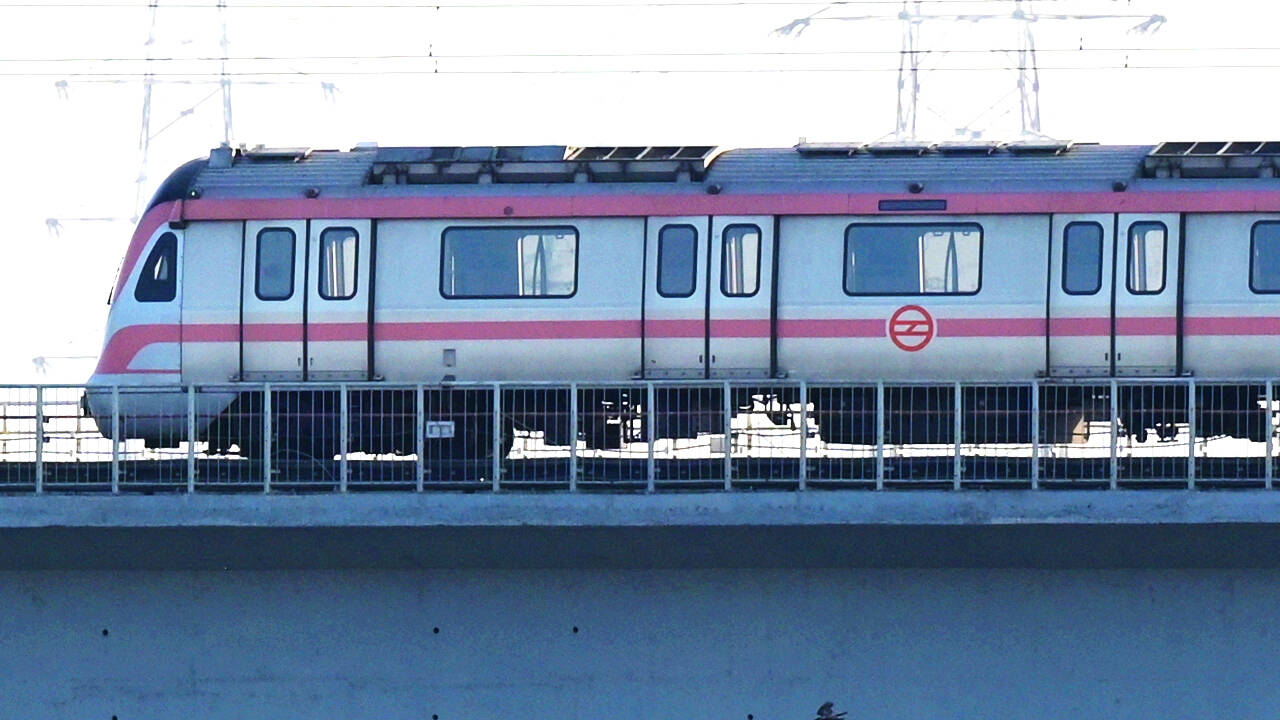
India's metro rail network is expanding rapidly, with the sector now spanning over 900 kilometres. The government has set an ambitious target to increase this length to 1,800 kilometres by 2026, potentially overtaking the United States in total track length within two years. This massive infrastructure push is a key component of the government's strategy to improve urban mobility and reduce traffic congestion in major cities.
For investors, this signals a sustained boom in the construction and engineering sectors. Companies involved in metro projects, such as tunneling, track laying, and rolling stock manufacturing, are likely to see long-term demand. The sector benefits from consistent government funding and the push for smart city development, making it a stable area of interest for those looking to invest in India's infrastructure growth.
Moving forward, investors should watch for project announcements in Tier-2 cities, as the expansion is moving beyond the traditional hubs. Additionally, monitoring the progress of public-private partnerships (PPPs) will be crucial, as these models are increasingly driving the pace of new metro lines across the country.
Key takeaways
- Category: Economy.
- AI reads the tone as positive (potentially bullish) for the stock.
- Assessed as a significant, market-relevant update.
Why it matters
A meaningful update worth tracking. The tone is positive — historically associated with upward pressure, though not predictive. Use the price and stock snapshot to gauge how the market is responding.