Positive impactResults
India Oil Marketing Companies Return to Profitability in Q2 of FY27
Asianet Newsable 6 hrs ago·19 Nov 2026, 9:30 am
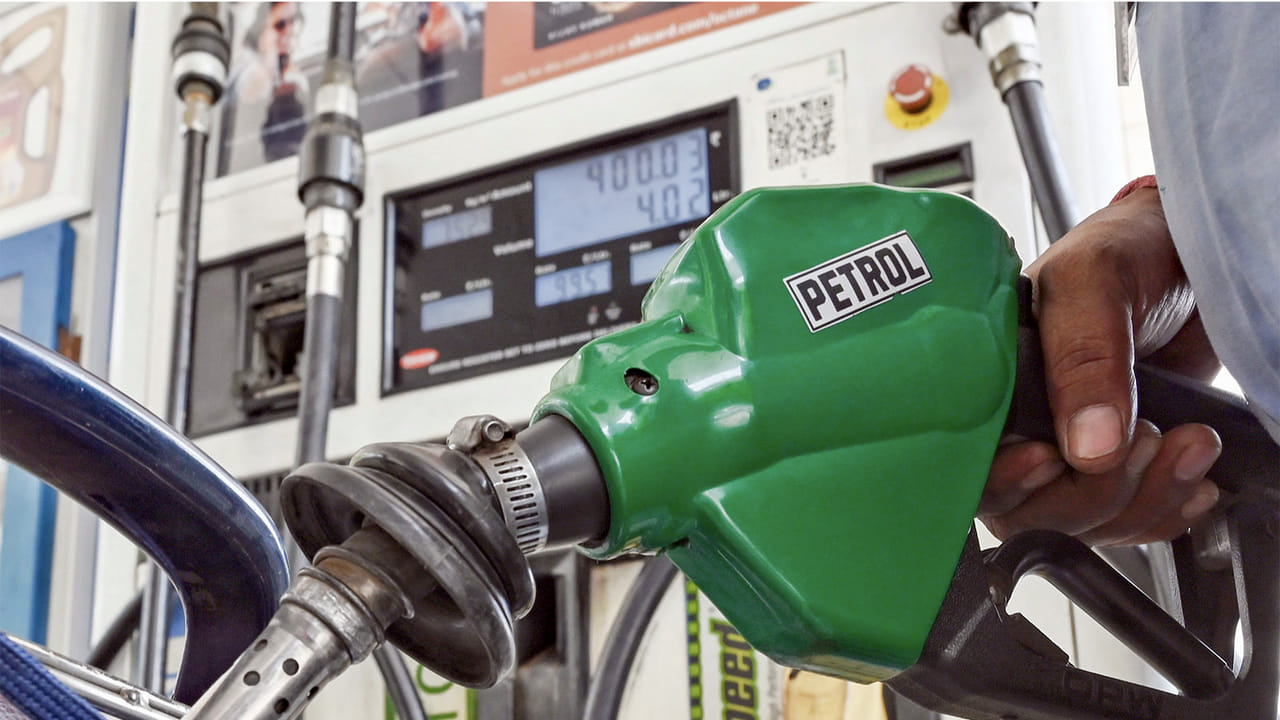
Indian Oil Corporation (IOC) and its peers have returned to profitability in the second quarter of FY27. This turnaround follows a challenging period for the sector, marked by high global crude prices and subsidy burdens that had previously squeezed margins. The recent decline in international crude oil prices has provided much-needed relief, allowing state-run refiners to operate more efficiently and reduce their losses.
This shift is significant for investors as it signals a recovery in the oil marketing sector's financial health. For IOC specifically, improved margins are likely to boost its bottom line, potentially leading to higher dividends for shareholders. The company’s ability to navigate these market dynamics suggests a more stable outlook for its earnings in the coming quarters.
Investors should monitor the trend in global crude oil prices and the government's fuel pricing policy. A sustained drop in crude costs could further support profitability, while changes in subsidy allocations might impact net margins. Keeping an eye on these factors will be key to understanding the sector's future performance.
Excerpt from Asianet Newsable
India's oil marketing companies returned to profitability in Q2 FY27, driven by lower crude prices, higher diesel margins, and retail fuel price hikes. Firms like IOC, BPCL, and HPCL saw core earnings rebound and reduced their overall debt. New Delhi [India], November 19 (ANI): Lower crude oil prices and a sharp rise…Read the original at Asianet Newsable
Affected stocks
Bullish1 stockBull / bear label is derived from the article's AI sentiment — indicative, not advice. Prices may be delayed.
Key takeaways
- Concerns Indian OIL Corp (IOC).
- Category: Results.
- AI reads the tone as positive (potentially bullish) for the stock.
- Assessed as a significant, market-relevant update.
Why it matters
A meaningful update for Indian OIL Corp worth tracking. The tone is positive — historically associated with upward pressure, though not predictive. Use the price and stock snapshot to gauge how the market is responding.