India’s bid to keep carbon cash home as Europe adds a new trade cost
Economic Times 1 hr ago·28 Sept 2026, 5:26 am
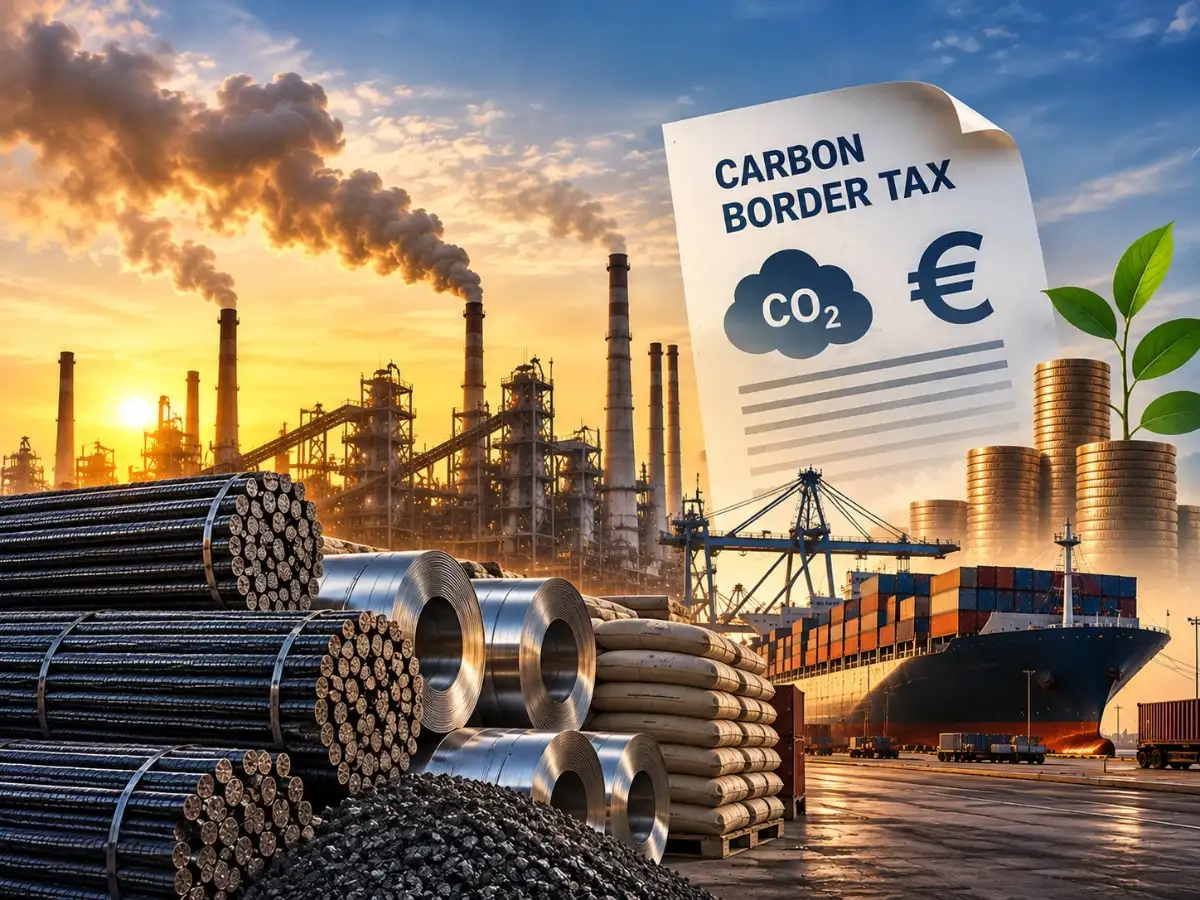
The European Union’s Carbon Border Adjustment Mechanism (CBAM) will start applying in January 2026. It places a charge on the carbon emissions embedded in imported goods such as steel, aluminium and cement, aiming to level the playing field for EU producers that already face strict climate rules.
For Indian exporters, the new levy means higher costs on some of the country’s most carbon‑intensive products. If the charge is passed on to buyers, it could erode price competitiveness in the European market. To offset the impact, India is moving ahead with a domestic carbon market and encouraging cleaner production technologies, hoping to reduce the carbon intensity of its exports.
Investors should keep an eye on the rollout schedule of the CBAM, any Indian policy announcements on carbon pricing or subsidies, and how major exporters adjust their supply chains or invest in low‑carbon processes. These developments will shape the cost structure and demand outlook for affected sectors.
Excerpt from Economic Times
India's exporters will encounter new carbon costs due to the European Union's Carbon Border Adjustment Mechanism. The mechanism, effective from January 2026, targets carbon-intensive goods and imposes a cost on emissions. India's heavy reliance on carbon-intensive industries like steel and aluminium raises significant…Read the original at Economic Times
Key takeaways
- Category: Economy.
- AI reads the tone as negative (potentially bearish) for the stock.
- Flagged as a high-impact, market-moving story.
Why it matters
This is a high-impact development and could move the stock. The tone is negative — watch for downside reaction. Use the price and stock snapshot to gauge how the market is responding.