Negative impactCommodity
India's bond market is too passive for its massive needs
CNBC-TV18 1d ago·29 Aug 2026, 2:57 am
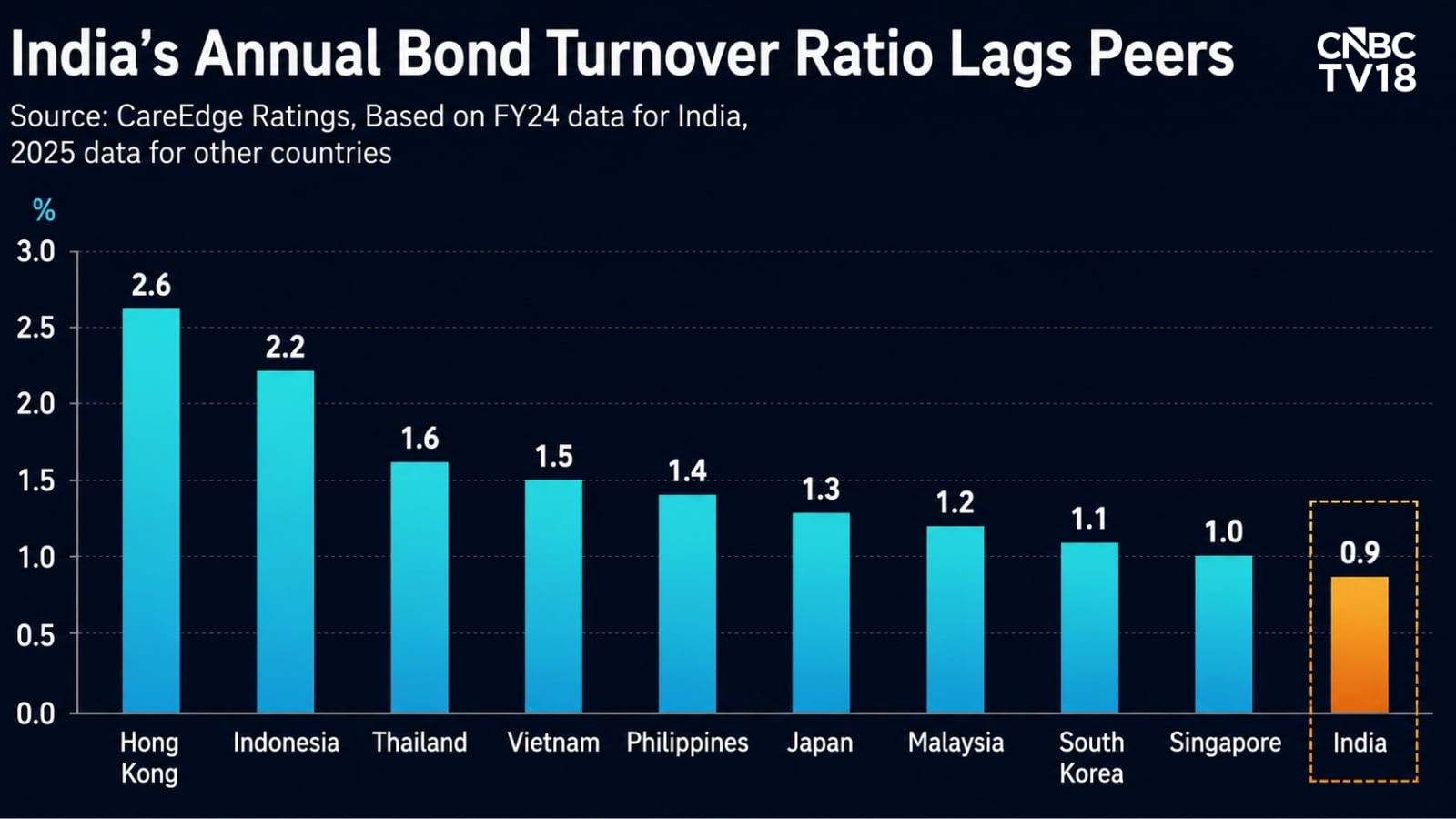
India’s corporate bond market has grown into a massive ₹60 lakh crore market, yet it suffers from a severe liquidity crunch. The vast majority of these bonds are held by investors until maturity, meaning they rarely trade on the open market. This lack of trading activity makes the market 'passive,' as prices are not determined by current supply and demand but by the specific terms of the bond contracts.
For investors, this situation creates significant risk. When bonds are not actively traded, it becomes difficult to know their true market value or to sell them quickly without accepting a steep discount. This lack of transparency can make it hard to build a diversified portfolio and can lead to higher costs for companies looking to raise capital.
Going forward, investors should watch for regulatory reforms aimed at improving transparency and liquidity. Increased trading activity would likely lead to more accurate pricing of bonds, making them a more reliable asset class for retail investors and reducing the risk of sudden market disruptions.
Key takeaways
- Category: Commodity.
- AI reads the tone as negative (potentially bearish) for the stock.
Why it matters
A routine update. The tone is negative — watch for downside reaction. Use the price and stock snapshot to gauge how the market is responding.