Positive impactCommodity
India's weak monsoon is over. Why its impact could stretch into 2027
CNBC-TV18 1 hr ago·6 Oct 2026, 1:25 pm
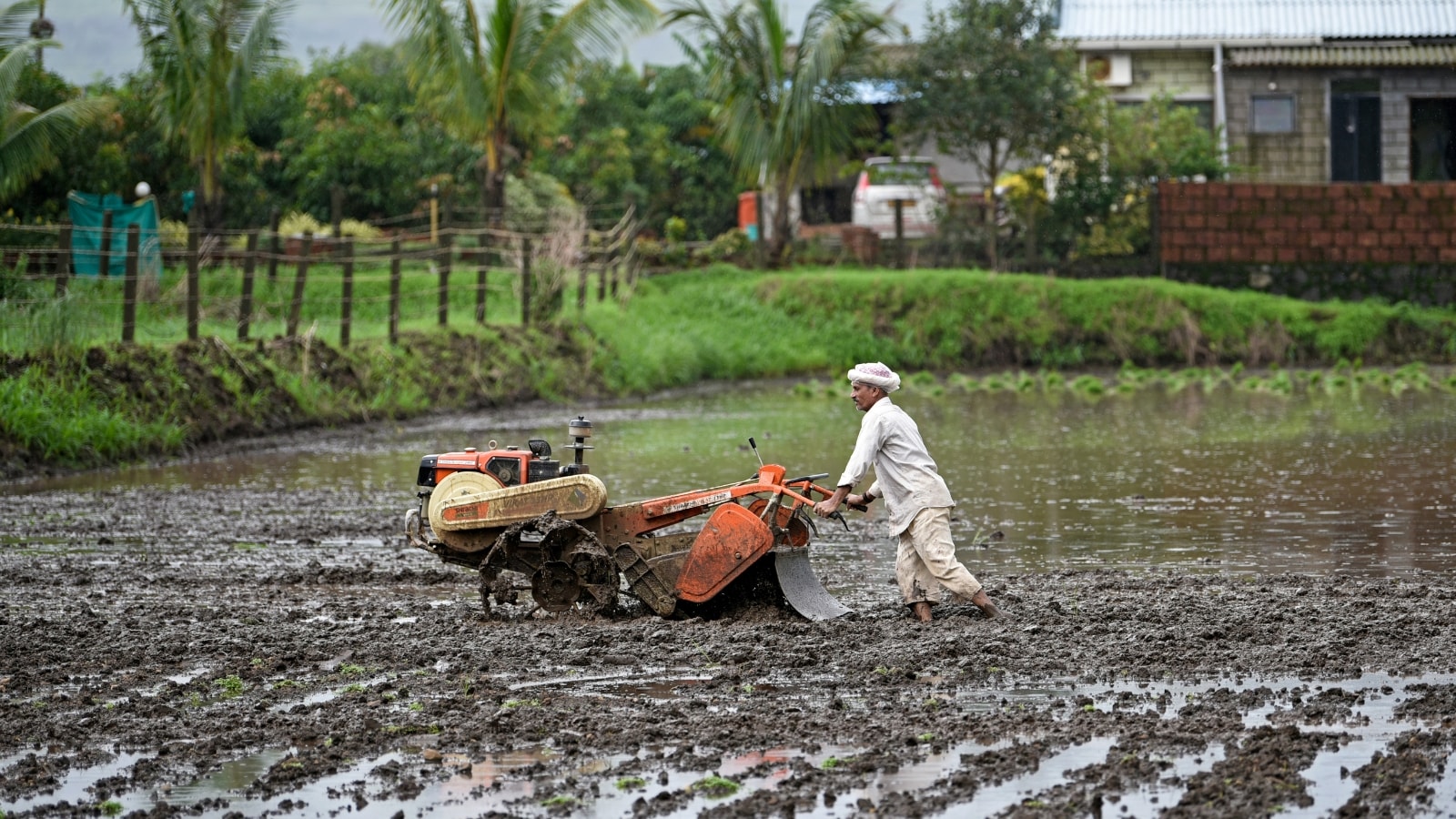
After a delayed and uneven monsoon, India is now experiencing a return of normal rainfall. However, the damage to soil moisture levels is already done. This lingering dryness poses a significant risk to the upcoming Rabi crops, which are crucial for the winter harvest. The uneven distribution has already led to crop losses in several agricultural regions, creating a complex challenge for the agricultural sector.
For investors, this situation matters because it threatens to disrupt the supply chain for key commodities. While the government has comfortable stocks of wheat and rice, the situation is more precarious for other crops like cotton, soybean, pulses, and maize. These commodities are essential for various industries and food security, and their potential price volatility could impact broader market sentiment. The government faces a difficult balancing act between supporting farmer incomes and managing food inflation.
Investors should watch for updates on the progress of the Rabi sowing season. Any significant delays or crop failures in these key commodities could lead to price pressures. Furthermore, the government's policy response, including potential import decisions or subsidy adjustments, will be a critical factor to monitor. The long-term impact of the weak monsoon could extend beyond the current season, influencing commodity prices and market trends well into 2027.
Key takeaways
- Category: Commodity.
- AI reads the tone as positive (potentially bullish) for the stock.
- Assessed as a significant, market-relevant update.
Why it matters
A meaningful update worth tracking. The tone is positive — historically associated with upward pressure, though not predictive. Use the price and stock snapshot to gauge how the market is responding.