Negative impactSector
Indian battery component makers face up to 60% cost disadvantage against imports: Study
CNBC-TV18 1 hr ago·3 Nov 2026, 5:46 pm
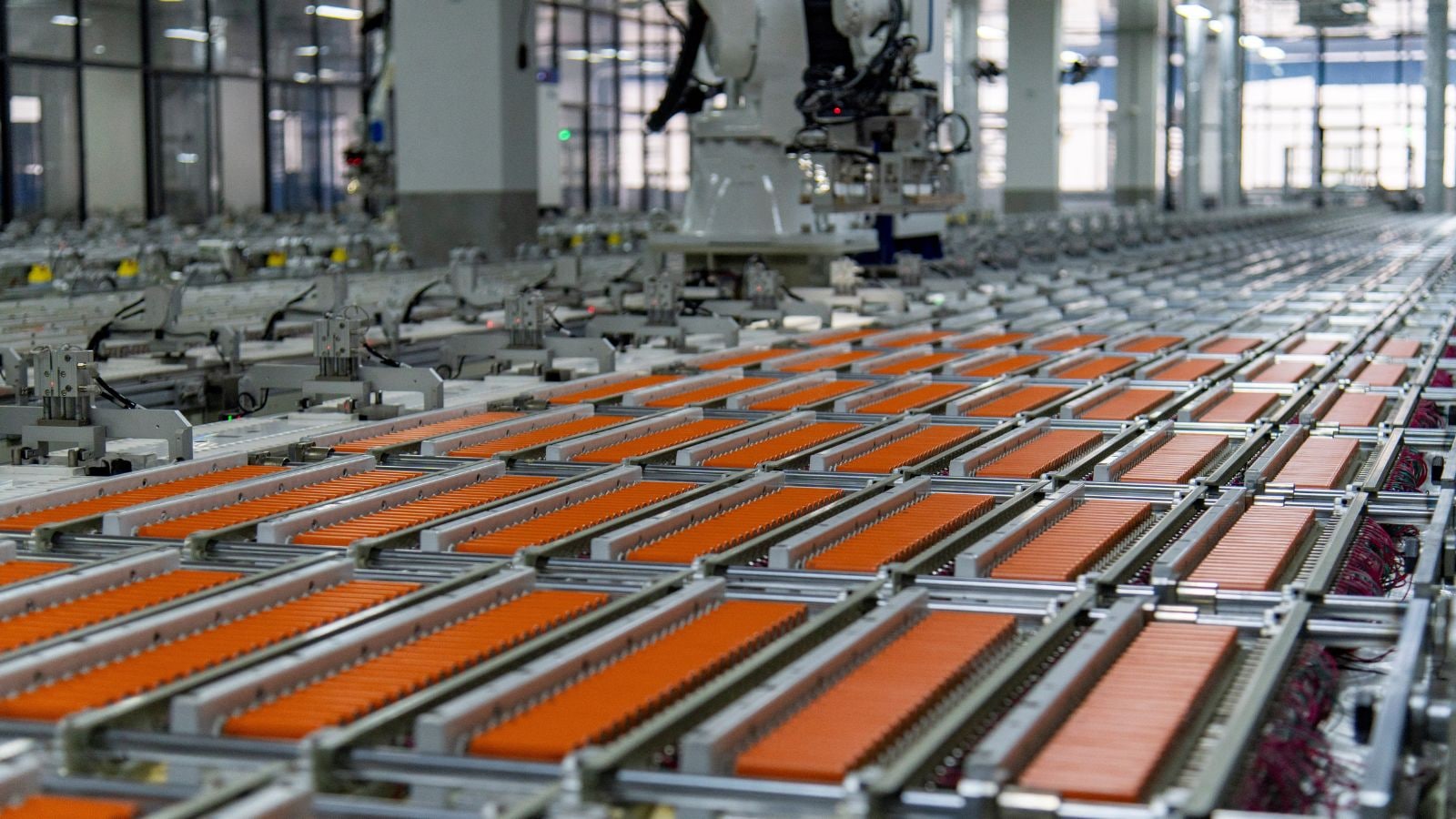
The study, which analysed cost structures of more than 20 Indian manufacturers, found that domestic producers of battery components such as cathode and anode materials, electrolytes, separators and copper foil are priced up to 60 % higher than comparable imports. The gap reflects higher raw‑material costs, limited scale and the need for technology upgrades, making imported parts comparatively cheaper for electric‑vehicle makers.
For investors, the cost gap signals pressure on the profitability of Indian battery‑component firms and could translate into tighter margins for companies that rely on locally sourced parts. It also raises questions about the competitiveness of the broader EV supply chain in India, which may affect related stocks.
Market participants will be watching for any policy response – such as increased duties on imports, subsidies for domestic production or incentives for scaling up capacity – as well as announcements of new joint ventures or technology partnerships that could narrow the cost gap.
Excerpt from CNBC-TV18
Published On Nov 3, 2026 | 23:16 IST Last Updated On Nov 3, 2026 | 23:16 IST Steep borrowing rates and expensive capital investments are fueling a severe manufacturing disadvantage for domestic battery component makers competing against overseas imports. Discover which of the three proposed government support…Read the original at CNBC-TV18
Key takeaways
- Category: Sector.
- AI reads the tone as negative (potentially bearish) for the stock.
- Assessed as a significant, market-relevant update.
Why it matters
A meaningful update worth tracking. The tone is negative — watch for downside reaction. Use the price and stock snapshot to gauge how the market is responding.