Indian Bond Yield Curve Seen Flatter as RBI Drains Surplus Cash
NDTV Profit 1 hr ago·5 Oct 2026, 5:59 am
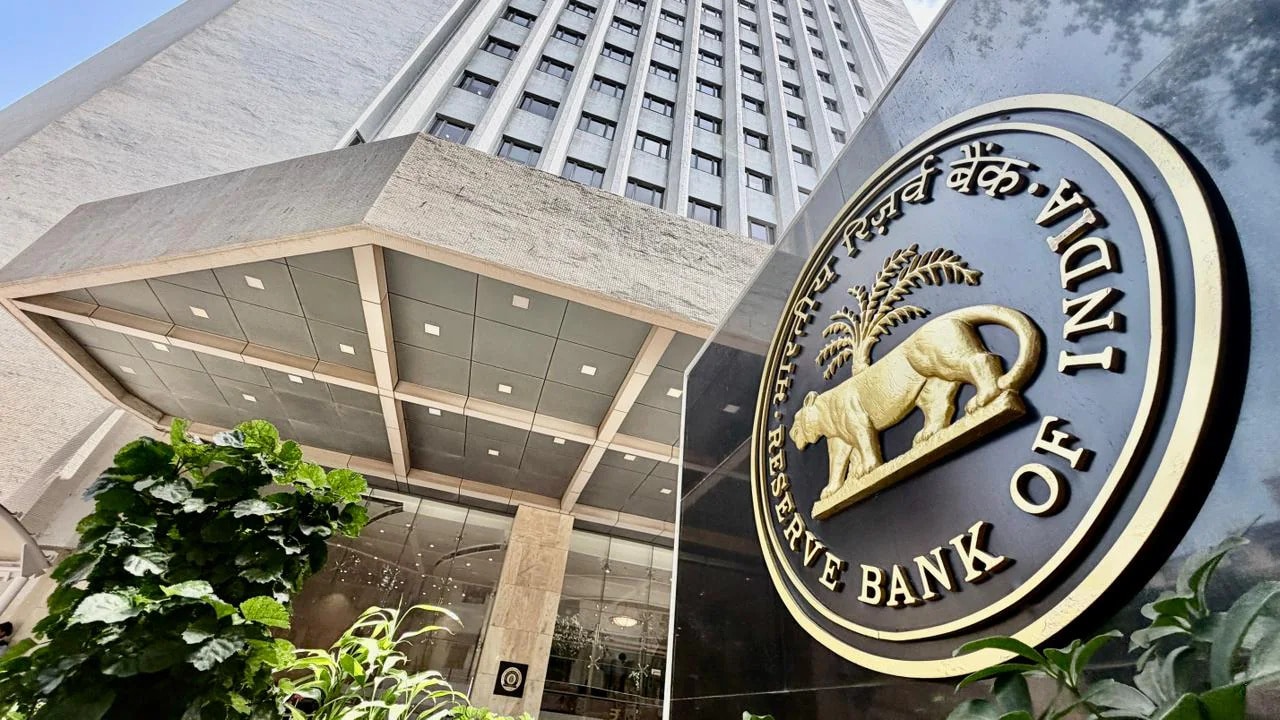
The Reserve Bank of India (RBI) is actively managing the banking system's cash reserves, a move that is expected to influence the pricing of government bonds. By withdrawing liquidity, the central bank reduces the amount of money available for banks to lend, which typically puts upward pressure on bond yields.
For investors, a flatter yield curve is a key signal. It suggests that short-term borrowing costs are rising faster than long-term rates, which can impact the profitability of banks and other financial institutions. This dynamic often reflects expectations of tighter monetary policy in the near term.
Investors should watch the RBI's daily liquidity operations and upcoming inflation data. These factors will determine the pace of yield curve flattening and help gauge the future direction of interest rates in the Indian market.
Key takeaways
- Category: Economy.
- AI reads the tone as negative (potentially bearish) for the stock.
- Flagged as a high-impact, market-moving story.
Why it matters
This is a high-impact development and could move the stock. The tone is negative — watch for downside reaction. Use the price and stock snapshot to gauge how the market is responding.