Indian Stock Market Declines as RBI Raises Repo Rate by 25 Basis Points
India News Network 1 hr ago·7 Oct 2026, 6:01 am

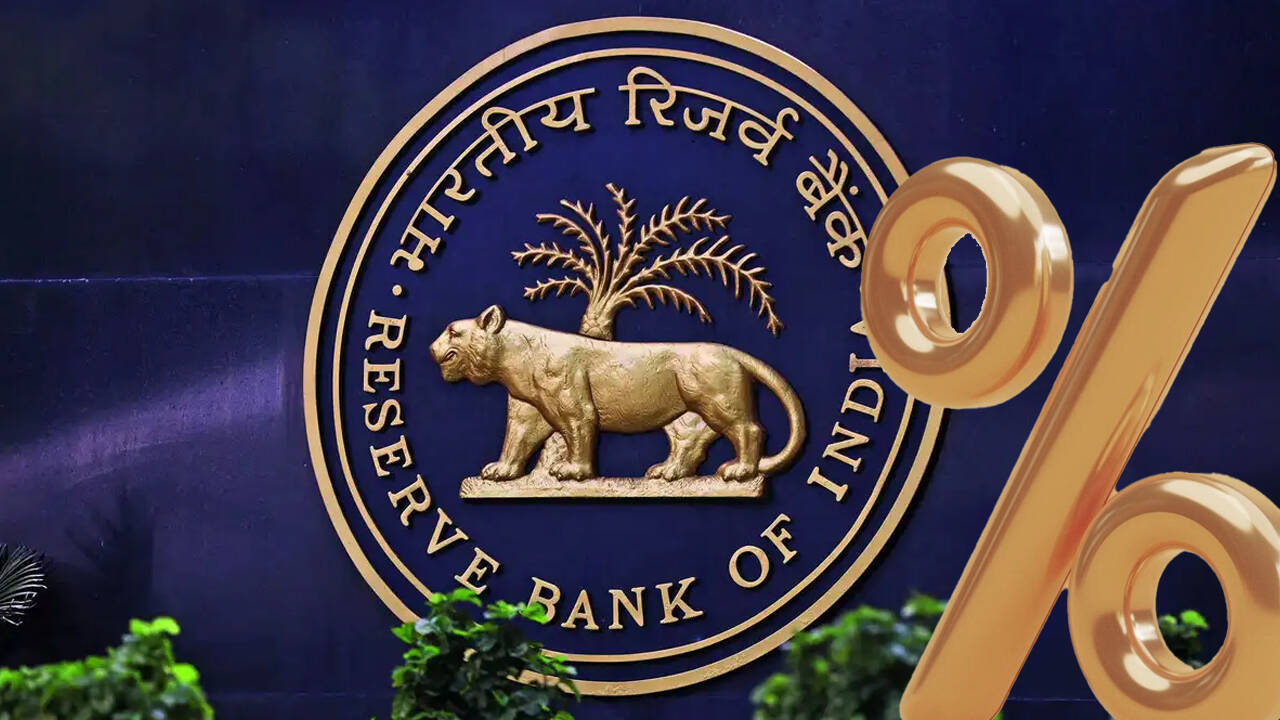
The Reserve Bank of India (RBI) has raised the repo rate by 25 basis points, a move that increases the cost of borrowing for banks. Consequently, the benchmark indices, including the Nifty 50 and Sensex, have fallen. This hike is part of the central bank's ongoing strategy to manage inflation and ensure financial stability in the economy.
For investors, this development signals a shift towards a tighter monetary policy. Higher interest rates typically dampen economic activity and can lead to a slowdown in corporate earnings. Retail investors should be cautious and review their portfolios, as sectors sensitive to interest rates, such as banking and real estate, may face headwinds.
Investors should watch the central bank's future statements for cues on the pace of future rate hikes. Monitoring corporate earnings reports and economic data will also be crucial to gauge the market's reaction to the new interest rate regime.
Excerpt from India News Network
The Indian stock market opened in negative territory on 7 October 2026, with the Bombay Stock Exchange (BSE) Sensex dropping by more than 500 points in early trading. The increase in the Reserve Bank of India’s (RBI) repo rate by 25 basis points has contributed to this downturn. Most stocks on the Sensex faced losses,…Read the original at India News Network
Key takeaways
- Category: Stocks.
- AI reads the tone as negative (potentially bearish) for the stock.
- Flagged as a high-impact, market-moving story.
Why it matters
This is a high-impact development and could move the stock. The tone is negative — watch for downside reaction. Use the price and stock snapshot to gauge how the market is responding.