Neutral impactOrders & Deals
Iran war at 6 months: Who gained, who lost the most economically
Times of India 11 hrs ago·30 Aug 2026, 9:20 am
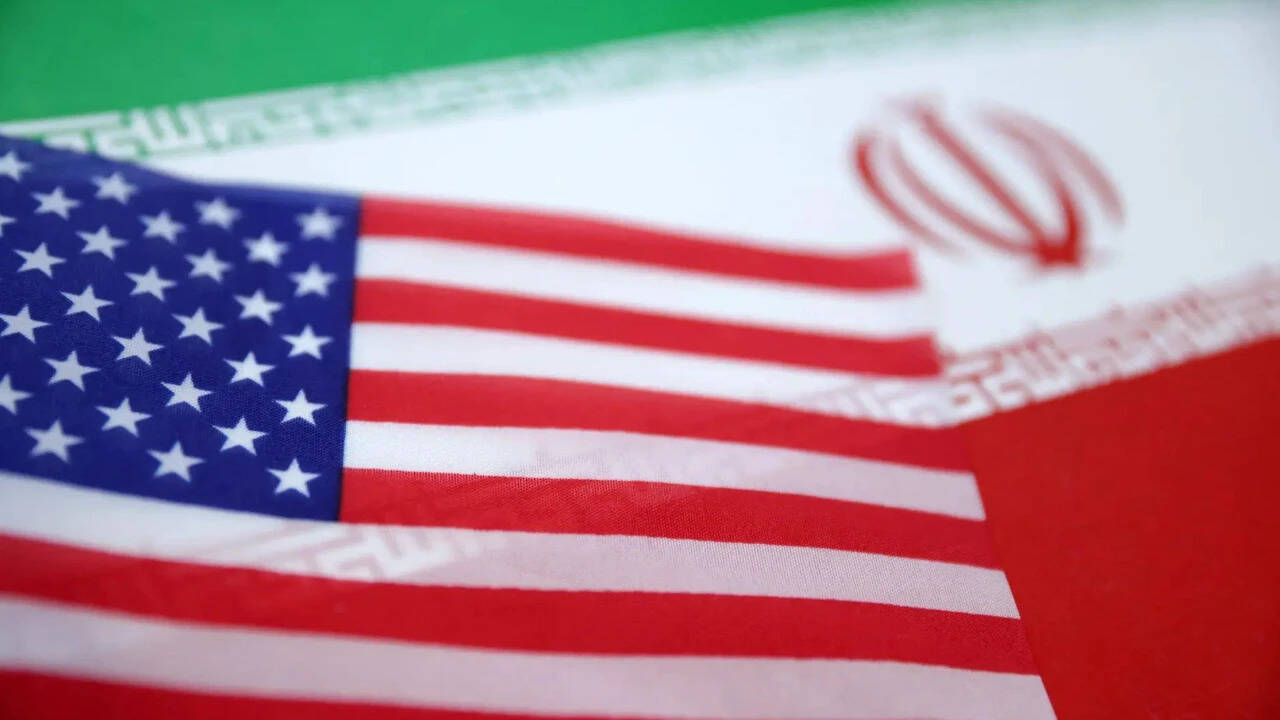
Six months into the ongoing conflict, the initial global economic fears have not fully materialized. While the situation remains volatile, major financial markets have shown remarkable resilience, largely driven by strong performance in technology sectors, particularly artificial intelligence. This recovery has helped stabilize investor sentiment despite the geopolitical backdrop.
The war's economic impact has been uneven. While oil prices have moderated from their peak, they remain a key risk factor. Energy-intensive industries like airlines and agriculture are facing higher operational costs, which could eventually trickle down to consumers in the form of higher travel fares and food prices. Conversely, sectors like clean energy and defense have seen increased demand as investors seek stability in these areas.
Investors should keep a close watch on oil price trends and central bank policies in the coming months. A sudden escalation or a shift in monetary policy could alter the current market dynamics. Monitoring the performance of defensive sectors and energy stocks will be crucial for gauging the market's reaction to the evolving situation.
Key takeaways
- Category: Orders & Deals.
- Assessed as a significant, market-relevant update.
Why it matters
A meaningful update worth tracking. Use the price and stock snapshot to gauge how the market is responding.