Negative impactEconomy
Israel Election: How 19 Seats Won By Arab Parties Could Decide Netanyahu's Fate
NDTV Profit 2 hrs ago·30 Oct 2026, 2:38 am
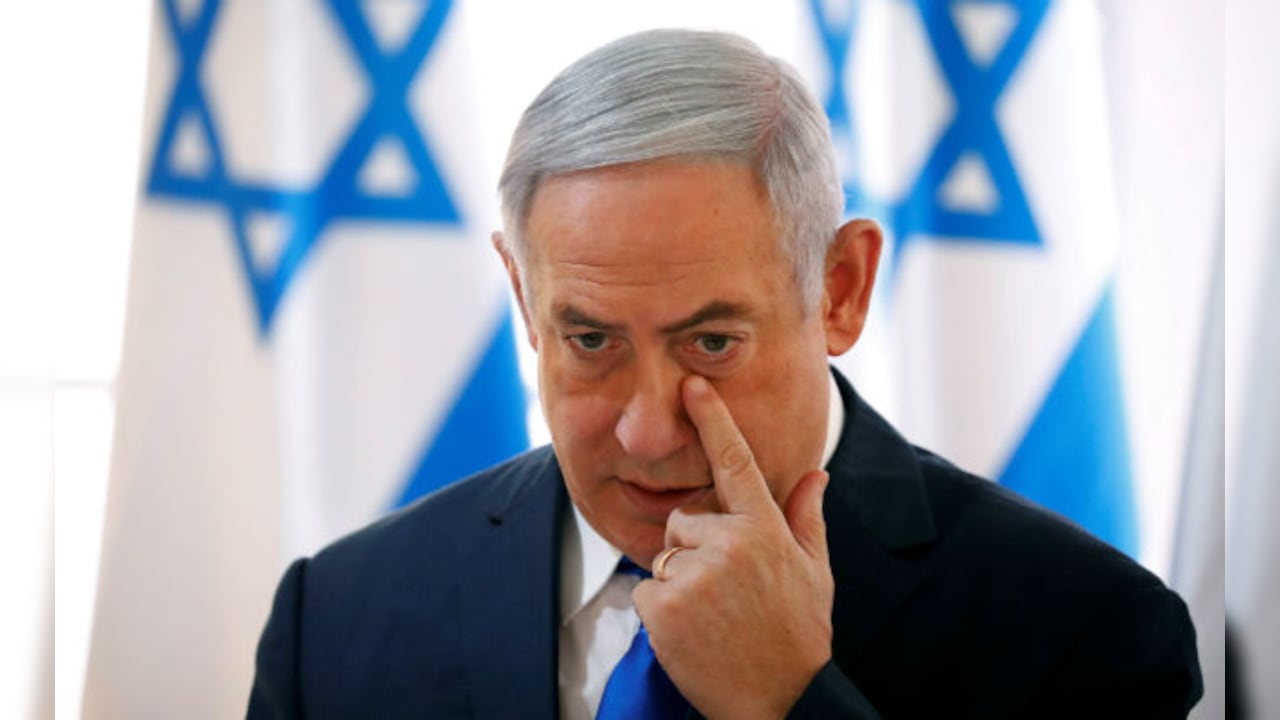
Israel's upcoming election is creating significant uncertainty for the global markets. Prime Minister Benjamin Netanyahu is struggling to secure a majority in the Knesset, Israel's parliament. His current coalition lacks the necessary seats to govern alone. This political deadlock is particularly concerning because his main rivals are the Arab parties, which have historically aligned with the center-left opposition. A shift in these 19 seats could fundamentally alter the political landscape.
For investors, this instability is a key risk factor. Political uncertainty often leads to volatility in markets, especially for sectors sensitive to geopolitical events. A new government could result in policy shifts or prolonged gridlock, creating an unpredictable environment. Traders are closely watching the election results to gauge the potential impact on regional stability and global risk sentiment.
Moving forward, the focus will be on the final vote count and the subsequent coalition-building talks. Investors should monitor the formation of a new government and any immediate policy announcements. The market's reaction will likely depend on whether a stable government emerges or if further political turmoil continues to disrupt the economic outlook.
Key takeaways
- Category: Economy.
- AI reads the tone as negative (potentially bearish) for the stock.
- Assessed as a significant, market-relevant update.
Why it matters
A meaningful update worth tracking. The tone is negative — watch for downside reaction. Use the price and stock snapshot to gauge how the market is responding.