Monsoon deficit raises risk of lower Rabi crop acreage
Economic Times 1 hr ago·14 Oct 2026, 8:28 pm
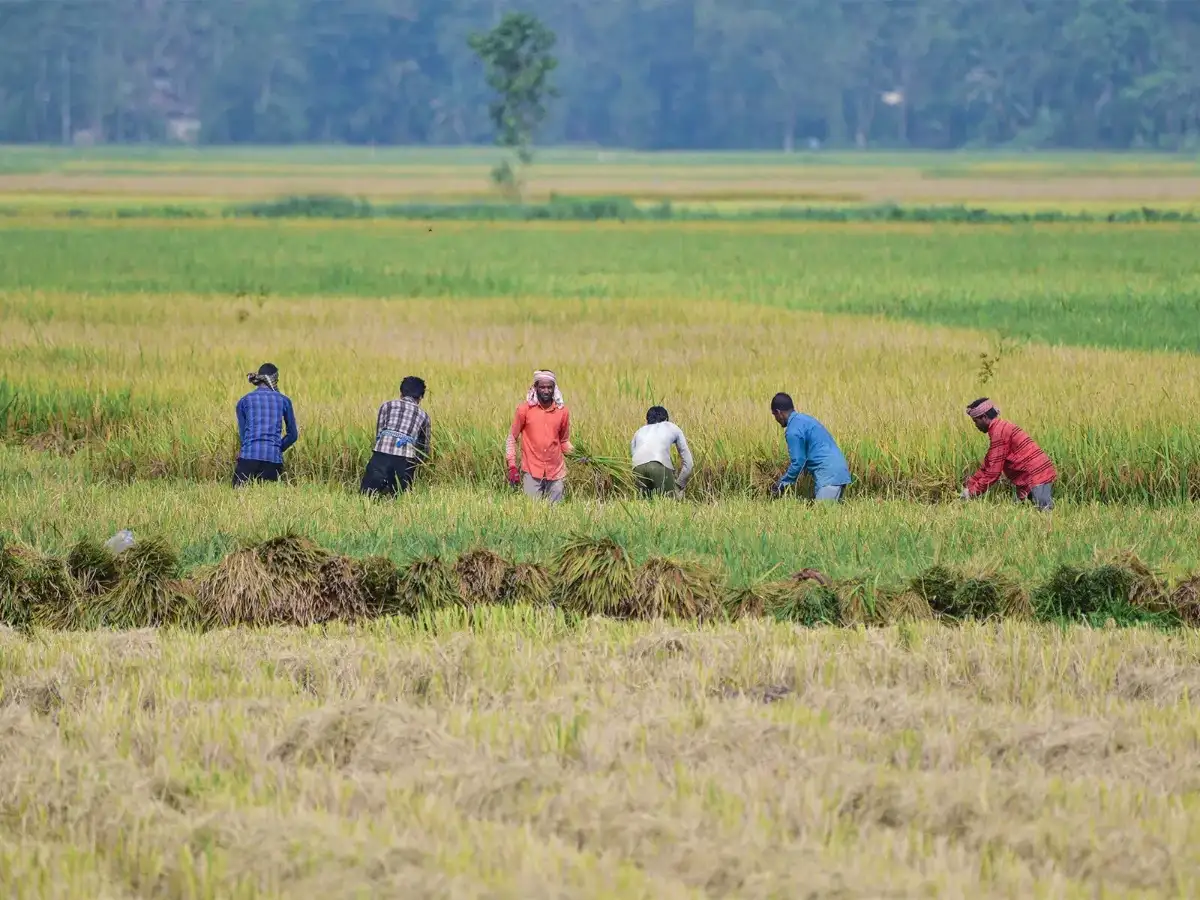
The Indian monsoon this year fell short, leaving large parts of the country with below‑average rainfall and depleted reservoir levels. With soil moisture low, farmers are expected to cut back on the area they sow for the Rabi season, which includes wheat, pulses and oilseeds.
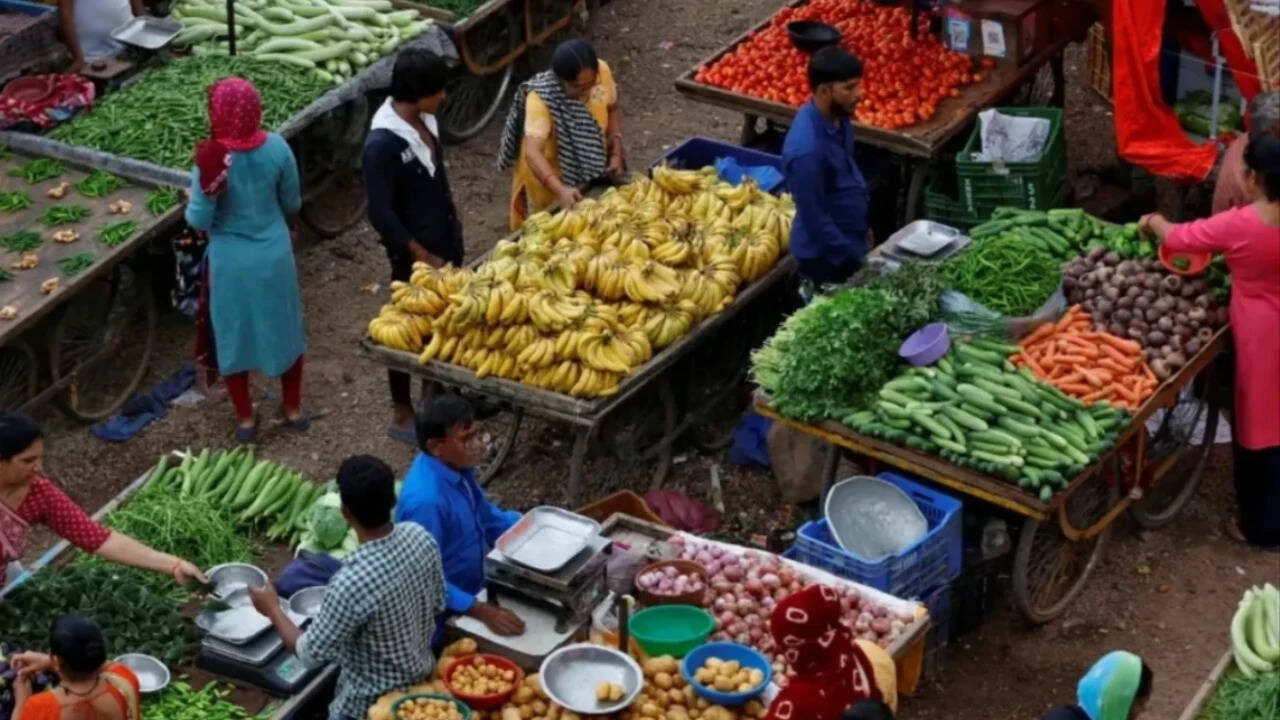
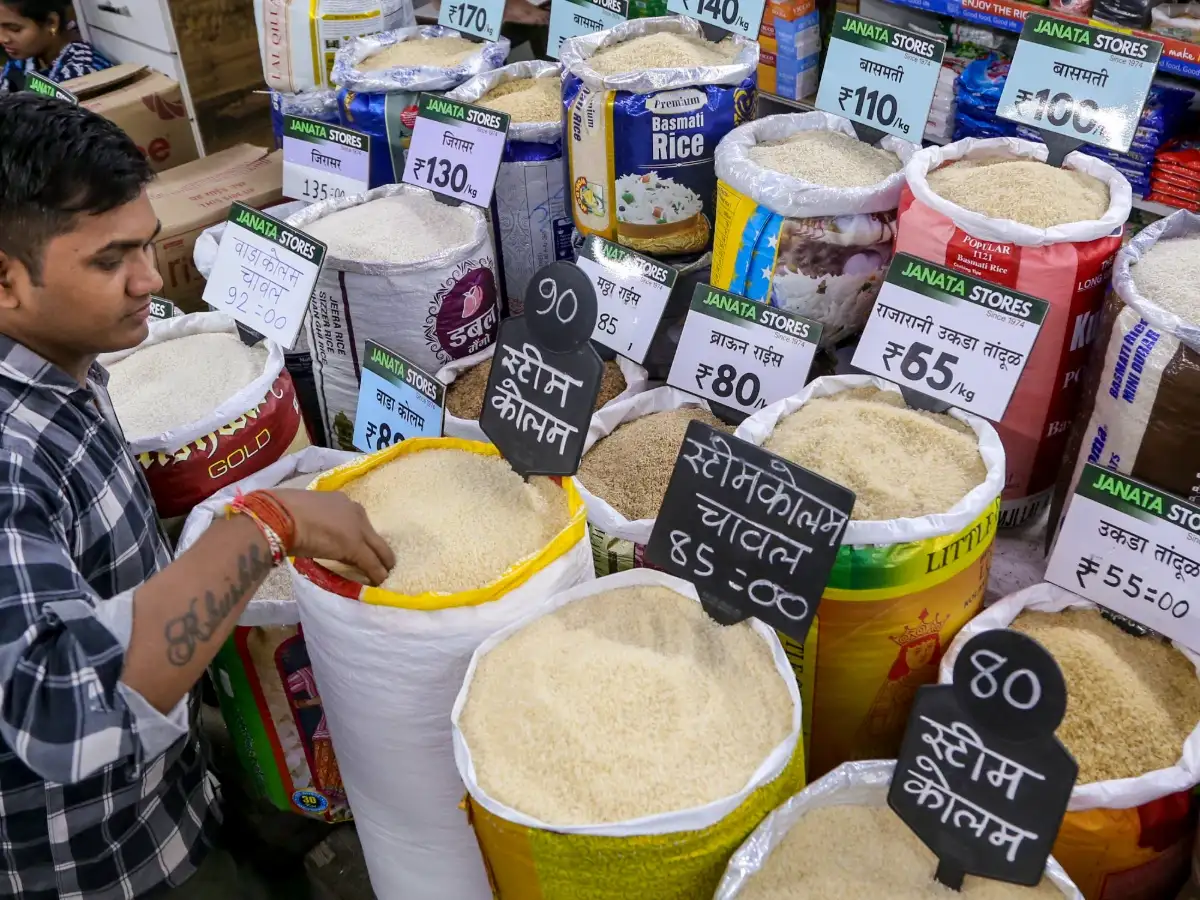
A smaller Rabi planting can tighten domestic supply of staple grains, potentially pushing up food‑price inflation. Companies linked to agriculture—such as fertilizer makers, farm‑equipment producers and food processors—may see demand patterns shift, while broader market sentiment can be affected by any rise in consumer price pressures.
Investors should keep an eye on upcoming monsoon outlook updates, government advisories on crop‑mix decisions, and early price movements in wheat and related commodities. Any policy steps to support irrigation or buffer food prices will also be closely watched.
Excerpt from Economic Times
Farmers are likely to decrease rabi sowing due to inadequate rainfall and reduced soil moisture levels. This situation could lead to lower yields of critical crops such as wheat, pulses, and oilseeds. Many reservoirs are under pressure, with over half storing less than last year. State and central governments are…Read the original at Economic Times
Key takeaways
- Category: Economy.
- AI reads the tone as negative (potentially bearish) for the stock.
- Flagged as a high-impact, market-moving story.
Why it matters
This is a high-impact development and could move the stock. The tone is negative — watch for downside reaction. Use the price and stock snapshot to gauge how the market is responding.