Negative impactStocks
Muhurat Trading 2026: Samvat 2082 ends, Samvat 2083 begins - Sensex, Nifty end in red first time after 2017 | Reasons
Mint 1 hr ago·8 Nov 2026, 10:23 am

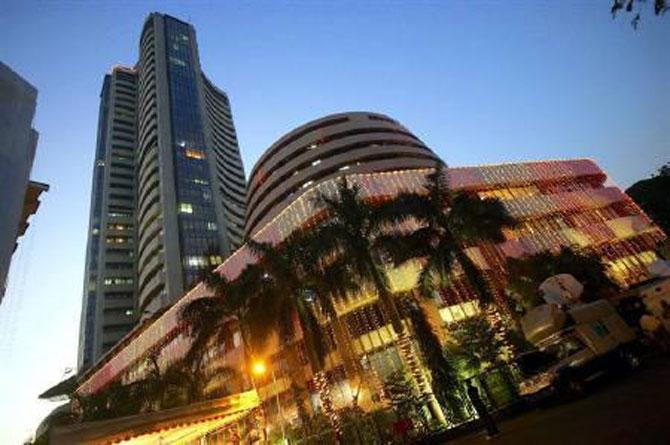
Muhurat Trading, the traditional Diwali session, concluded with a rare negative close for Indian markets. For the first time since 2017, both the Sensex and Nifty ended the session in the red, marking the start of the new financial year, Samvat 2083, on a cautious note.
This shift in sentiment was driven by a mix of global and domestic factors. Rising crude oil prices and escalating tensions in the Middle East increased inflationary concerns. Simultaneously, a weaker rupee and higher US bond yields prompted foreign investors to pull money out of Indian equities, creating selling pressure across the broader market.
Investors should watch for stability in crude oil prices and any signs of sustained foreign inflows. The focus will now shift to domestic economic data and corporate earnings to gauge the market's direction in the coming months.
Excerpt from Mint
Indian markets opened lower in Samvat 2083, with the Sensex and Nifty posting their first negative Muhurat Trading close since 2017. Rising oil prices, Middle East tensions, foreign investor outflows, a weaker rupee and higher US bond yields weighed on equities. Muhurat Trading : Indian equity markets began Samvat…Read the original at Mint
Key takeaways
- Category: Stocks.
- AI reads the tone as negative (potentially bearish) for the stock.
- Assessed as a significant, market-relevant update.
Why it matters
A meaningful update worth tracking. The tone is negative — watch for downside reaction. Use the price and stock snapshot to gauge how the market is responding.